


Moving Beyond General Reputations
Cities like Reykjavik, Zurich, and Lisbon consistently rank among the world's safest, often cited for low crime rates and high quality of life. Conversely, some cities in the UK and France have appeared on lists for higher crime perception indices. However,
these lists only tell part of the story. A city's overall ranking doesn't reflect the reality on the ground in every district. For a solo traveller, the difference between a safe trip and a stressful one often lies in understanding the nuance. A 'dangerous' city may have perfectly safe and vibrant central districts, while a 'safe' city can have areas where more caution is warranted, especially after dark.
How to Read Crime Data
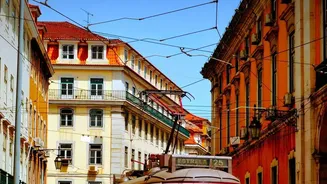
When researching a destination, look beyond the headline crime index. The most common risk for travellers in many popular European cities is not violent crime, but petty theft like pickpocketing. This is especially true in crowded tourist hotspots, such as around the Eiffel Tower in Paris or on popular tram routes in Lisbon. Official government travel advisories and user-generated data sites can be useful, but learn to distinguish between perception and reality. A high 'crime index' might be driven by resident perceptions rather than official statistics. Focus on the types of crime reported and where they occur. This allows you to prepare practically—for instance, by using a secure cross-body bag and keeping valuables out of sight—rather than feeling general anxiety.
The Importance of Neighbourhood Research
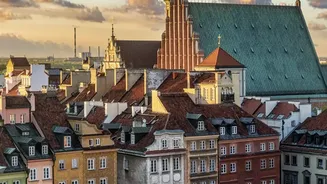
Every major European city is a collection of distinct neighbourhoods, each with its own character and safety profile. Before booking accommodation, do a deep dive into the specific area. Is it well-lit at night? Does it have good access to public transport? Reading recent reviews from other solo or female travellers in hotels or hostels can provide invaluable, up-to-date insights that a general travel guide might miss. A 24/7 staffed front desk can be a significant comfort factor. Choosing a central, well-regarded neighbourhood can drastically reduce stress related to late-night travel and navigation. For example, staying in Baixa or Chiado in Lisbon, or near the Old Town in Krakow, places you in walkable, lively areas.
Cultural Context and Social Norms
Feeling safe is also about feeling comfortable, which requires understanding local social cues. In some southern European cultures, for example, direct eye contact with strangers may be interpreted differently than in northern Europe. Observing how local women dress and interact can help you blend in and minimize unwanted attention. This isn't about changing who you are, but about navigating a new environment with awareness. Similarly, being mindful of local customs around nightlife and alcohol consumption is a practical safety step. The goal is to move confidently through a new culture, and a little bit of research into social etiquette goes a long way.
Your Personal Safety Toolkit
Your most powerful safety tool is your own preparedness. Before you go, create a simple plan. Share your itinerary, including accommodation details, with a friend or family member back home and arrange regular check-ins. Ensure you have a reliable data plan or a local SIM card upon arrival; being able to access maps or book a ride-share is a modern safety essential, not a luxury. Pre-program local emergency numbers into your phone. It's also wise to have digital and physical copies of your important documents, like your passport and travel insurance, stored separately. These small, proactive steps build a safety net that allows you to relax and fully immerse yourself in the experience.