







Consult Your Veterinarian First
Before any trip, a quick chat with your vet is a crucial first step. Ensure your pet's vaccinations are up-to-date and get a copy of their health records to carry with you. This is also the perfect time to discuss motion sickness. Many pets, especially
puppies and kittens, can get nauseous in the car. Your vet can prescribe anti-nausea or anti-anxiety medication if needed, helping to make the drive more comfortable. They can also advise on managing any existing health conditions while away from home.
Prioritise In-Car Safety
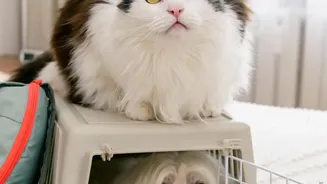
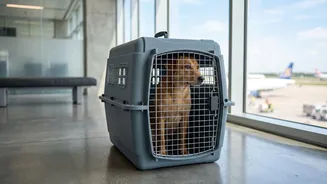
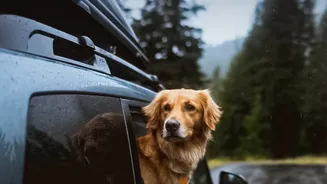
Letting your pet roam free in a moving vehicle is a major safety risk for them and for you. The safest way for a pet to travel is in a well-ventilated carrier or crate that is secured with a seatbelt. For dogs, a crash-tested harness that attaches to the seatbelt is another excellent option. This prevents them from becoming a projectile during a sudden stop and reduces driver distraction. Cats, in particular, should always be kept in their carrier while the car is in motion. Never let a pet hang their head out the window, as this can lead to serious eye injuries.
Pack a Pet-Specific 'Go-Bag'
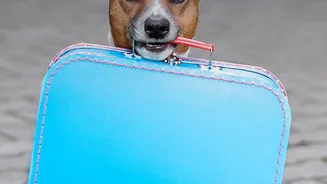
Just like you, your pet needs a bag packed with their essentials. This should include enough of their regular food for the entire trip plus a little extra, in case of delays. Abrupt changes in diet can cause stomach upset. Also pack plenty of fresh water, as some pets are sensitive to unfamiliar water. Don't forget collapsible food and water bowls, any necessary medications, and plenty of waste bags for clean-ups. Bringing along a favorite toy or blanket can also provide a comforting scent of home and reduce anxiety in a new environment.
Ensure Identification Is Current
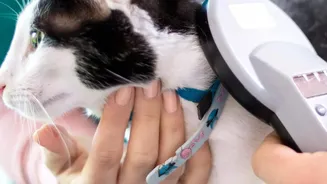
In a new, unfamiliar place, even a well-behaved pet can get spooked and run off. Before you leave, double-check that your pet's collar has an ID tag with your current mobile number clearly visible. If your pet is microchipped, verify that the registration details are up-to-date with your correct contact information. It's also a great idea to have a recent, clear photo of your pet on your phone, which can be invaluable if you get separated.
Plan for Pet-Friendly Stops
Spontaneity is fun, but arriving at a hotel only to find it doesn't allow pets is not. Research and book pet-friendly accommodation in advance. Websites like BringFido list thousands of options across India, from budget guesthouses to luxury resorts. When booking, always call the hotel directly to confirm their specific pet policy, as rules about size, breed, and extra fees can vary. Plan to stop every two to three hours to let your dog stretch their legs, use the bathroom, and have a drink of water. For cats, you can offer water and a small, portable litter box inside the safety of the car during these breaks.
Acclimatise an Anxious Traveller
If your pet isn't used to car rides or associates them with stressful vet visits, it's wise to do a few practice runs. Start with short, five-minute drives to a fun destination like a park, gradually increasing the duration. This helps build a positive association with the car. For anxious animals, keeping the car cool and playing the radio softly can help. Never leave your pet unattended in a parked car, as temperatures can rise to dangerous levels in minutes, even with the windows cracked.