







The Monsoon's Role as an Economic Engine
For centuries, the Indian economy has moved to the rhythm of the monsoon. The June-to-September rainfall is critical, providing about 70-80% of the country's annual precipitation. With nearly half of India's farmland lacking irrigation, these rains are
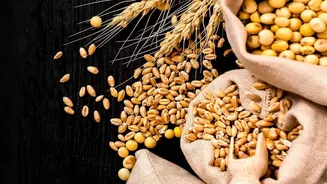
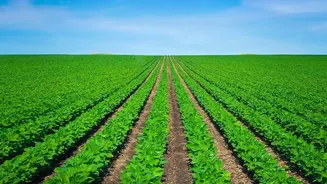
essential for the primary sowing season, known as Kharif. This season yields staples like rice, pulses, oilseeds, and cotton. A healthy monsoon translates to bountiful harvests, higher farm incomes, and robust rural demand for goods and services. Conversely, a weak or poorly distributed monsoon can trigger a chain reaction, leading to lower agricultural output, rural distress, and the first and most visible consequence: a rise in food prices.
An Anxious August: The 2026 Rainfall Report
The performance of the 2026 monsoon has raised concerns. As of mid-August, data from the India Meteorological Department (IMD) shows a cumulative rainfall deficit, with the country receiving 12% less rain than the long-period average. The situation is more acute in specific regions, with significant deficits recorded in key agricultural states across western, central, and southern India. This has created moisture stress in major agricultural zones, slowing the pace of sowing for crucial Kharif crops. The sowing of pulses, in particular, is lagging, a worrying trend for a food category where India is already price-sensitive. Experts warn that a strengthening El Niño weather pattern could further suppress rainfall, widening the deficit as the season progresses.
The Most Vulnerable Kitchen Staples
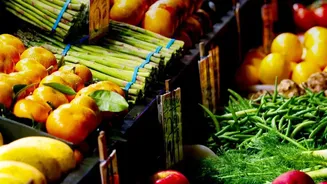
When rainfall is scarce, certain food items are more exposed than others. Vegetables are often the first to see price spikes because they are highly perishable and depend on regular harvests and smooth transportation, both of which are disrupted by erratic weather. Staples like tomatoes and onions are notoriously volatile. Beyond vegetables, a weak monsoon directly threatens the output of pulses (like tur, moong, and urad dal), oilseeds (like soybean), and coarse cereals. These crops are often grown in rain-fed areas with lower irrigation coverage, making them highly dependent on timely rains. Even water-intensive crops like rice can suffer if rainfall is deficient in primary growing regions. A poor harvest of these staples directly impacts supply, setting the stage for higher prices at local markets.
From Parched Fields to Pricey Shelves
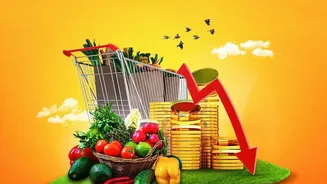
The journey from a struggling farm to a higher grocery bill follows the basic economic principle of supply and demand. Lower crop output due to insufficient rain tightens the supply of food items in the market. This scarcity, or even the expectation of it, allows traders and wholesalers to increase prices. This pressure moves through the supply chain, from the farm gate to the wholesale market and finally to the retail shelves where consumers make their daily purchases. Food inflation can rise quickly, as it accounts for a significant portion of the consumer price index (CPI) basket. A sustained increase in the cost of essentials like vegetables, dals, and cooking oils can strain household budgets, forcing families to spend more on basic needs.
Can the Impact Be Softened?
While the link between a poor monsoon and higher food prices is strong, India has developed several buffers over the years to mitigate the shock. The government maintains buffer stocks of key food grains like rice and wheat, which can be released to cool down soaring prices. The Reserve Bank of India (RBI) closely monitors rainfall patterns, as food inflation is a key factor in its monetary policy decisions to control overall inflation. Additionally, India's economy is more diversified now than in previous decades, with the services and manufacturing sectors contributing a larger share to the GDP, making the overall economy more resilient. However, for a large portion of the population dependent on agriculture, and for every consumer's wallet, the monsoon's performance remains a critical factor to watch each year.