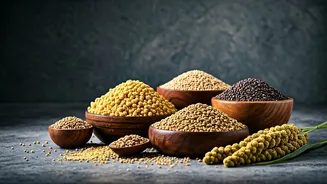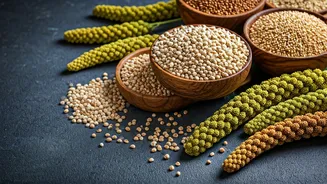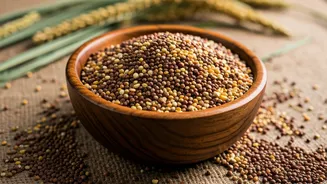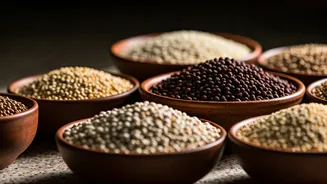





A Nutritional Powerhouse
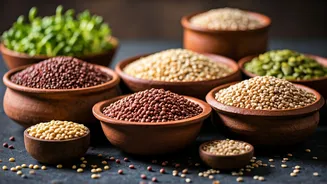
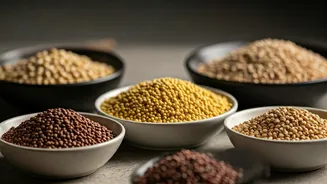
The primary driver behind the millet revival is their incredible nutritional profile. Unlike refined grains like white rice and maida, millets are packed with protein, dietary fibre, vitamins, and essential minerals like iron, calcium, and magnesium.
[4, 7, 14] They are naturally gluten-free, making them an excellent choice for people with celiac disease or gluten sensitivity. [6, 8] Furthermore, most millets have a low glycemic index, which means they release sugar into the bloodstream slowly. [8] This quality helps in managing blood sugar levels, making them beneficial for diabetics, and provides sustained energy without the crash associated with processed carbohydrates. [4, 8] Regular consumption can aid in weight management by promoting a feeling of fullness and supporting digestive health. [4, 6]
The Climate-Smart Superfood
Millets are not just good for us; they are incredibly beneficial for the planet. These hardy crops are famously drought-resistant, requiring significantly less water than rice and wheat. [10, 13, 14] They can thrive in arid regions and poor soil with minimal need for chemical fertilizers and pesticides, making them a highly sustainable and eco-friendly agricultural choice. [14, 15] Their deep root systems help prevent soil erosion and improve soil quality. [10, 14] As climate change puts increasing pressure on our food systems, the resilience of millets makes them a crucial crop for ensuring food security for the future, reducing the carbon footprint of our agriculture in the process. [10, 22]
From Policy to the Plate
The resurgence of millets has been significantly bolstered by strong government support. India championed the UN's declaration of 2023 as the 'International Year of Millets', creating massive global and domestic awareness. [11, 17] This was followed by concrete policies, including the Production Linked Incentive (PLI) scheme for millet-based products, which runs until 2026-27 to encourage food manufacturers. [2, 3] Various state governments have also launched their own millet missions to promote cultivation and consumption. [9] These initiatives aim to create a complete ecosystem, from supporting farmers with subsidies to ensuring millet products are available through public distribution systems and encouraging startups in the millet value chain. [2, 9, 23]
The Modern Millet Makeover
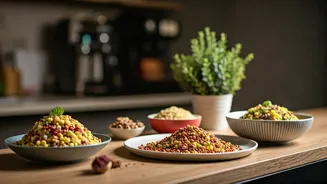
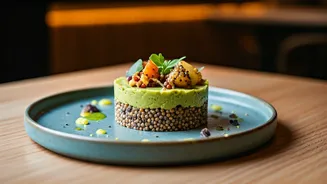
Perhaps the most visible sign that millets are here to stay is their enthusiastic adoption in modern kitchens. Once relegated to traditional preparations like bhakri or porridge, millets are now culinary stars. [17] Chefs and home cooks are using them in innovative ways, from ragi dosas and foxtail millet upma to barnyard millet pulao and even millet-based cakes and cookies. [6, 16] You can find millet pasta, noodles, and ready-to-eat snacks on supermarket shelves, making them convenient for busy urban lifestyles. [20, 29] This culinary flexibility has been key, transforming their image from a 'poor man's grain' to a versatile, gourmet ingredient that adds new textures and nutty flavours to a wide array of dishes. [16, 26]