



Know Before You Go: Permits and Timing
While Indian citizens do not need a permit to enter Sikkim or visit places like Gangtok, Pelling, and Ravangla, several key destinations do require a Protected Area Permit (PAP). These include the popular day trip to Tsomgo Lake and Baba Mandir, as well
as the entire North Sikkim region (Lachung, Yumthang Valley). These permits cannot be obtained by individuals directly; they must be arranged by a Sikkim-registered tour or taxi operator, usually a day in advance. Ensure you carry multiple copies of a valid photo ID (Voter ID or Driving Licence are safest) and several passport-sized photographs for the application process. The best times to visit are from March to June for pleasant weather and blooming rhododendrons, and from October to December for clear mountain views. The monsoon season (July-September) is best avoided due to landslide risks.
Day 1: Arrival in Gangtok and an Evening at MG Marg
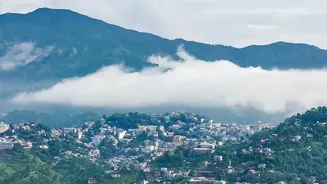
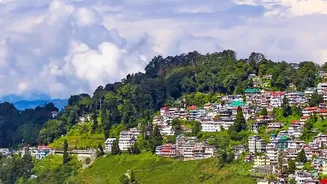
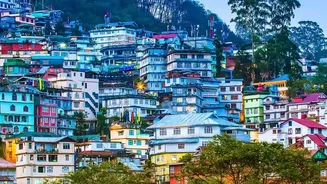
Your journey begins with your arrival at Bagdogra Airport (IXB) or New Jalpaiguri Railway Station (NJP), followed by a scenic 4-5 hour drive to Gangtok along the Teesta River. After checking into your hotel, keep the first day relaxed. The perfect introduction to the city's charm is an evening stroll along MG Marg. This pedestrian-only street is the soul of Gangtok—a clean, vehicle-free promenade lined with benches, cafes, and shops. It’s a designated litter-free, smoke-free, and spit-free zone, making it a refreshingly calm public space. Spend the evening soaking in the atmosphere, grabbing a coffee at a local spot like Baker's Cafe, or trying your first plate of authentic momos. Most shops stay open until around 8 PM, and the street is safe and lively after dark.
Day 2: Gangtok's Monasteries and Viewpoints
Dedicate the second day to exploring Gangtok's local treasures. A typical '10-point' local sightseeing tour covers the city's main attractions. Start your morning at Tashi View Point for a chance to see the majestic Kangchenjunga peak. From there, visit Ganesh Tok and Hanuman Tok, two hilltop temples offering panoramic views of the city. Delve into the region's spiritual heritage at key monasteries like Enchey Monastery, known as the 'Solitary Temple', and the impressive Do Drul Chorten, a stupa encircled by 108 prayer wheels. In the afternoon, visit the Namgyal Institute of Tibetology to see a rare collection of Buddhist artefacts and manuscripts. You can also include a stop at the Banjhakri Falls and take a ride on the Gangtok Ropeway for an aerial view of the valley.
Day 3: High-Altitude Excursion to Tsomgo Lake
Today involves an early start for a memorable day trip to East Sikkim. The main destinations are Tsomgo Lake and Baba Mandir, located about 40-50 km from Gangtok. This trip requires a permit, which your operator will have arranged. Tsomgo Lake, also known as Changu Lake, is a stunning glacial lake situated at an altitude of 12,313 feet. Its pristine waters reflect the surrounding snow-capped mountains. Further up the road is Baba Mandir, a shrine dedicated to Harbhajan Singh, a revered Indian army soldier. If you are an Indian national and have the necessary permit (which is subject to weather and road conditions), you can continue to Nathula Pass, the historic border crossing with China at 14,140 feet. The entire trip takes about 7-9 hours, and you will return to Gangtok by evening.
Day 4: The Scenic Drive to North Sikkim
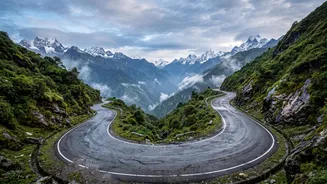
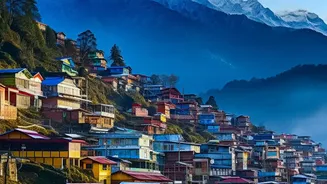
Prepare for a long but breathtaking journey to Lachung in North Sikkim, the gateway to Yumthang Valley. The 116 km drive from Gangtok takes around 6-8 hours due to winding mountain roads. This route also requires a permit. You’ll pass through stunning landscapes, with stops at viewpoints like Singhik and numerous waterfalls, including the Seven Sisters Waterfall and Naga Waterfall. The journey itself is an experience, showcasing the raw, natural beauty of Sikkim's high-altitude terrain. Upon arrival in the picturesque village of Lachung (altitude 8,610 ft), check into your hotel and acclimatize to the colder weather. The evening is for rest after the long drive.
Day 5: Yumthang Valley and Return to Gangtok
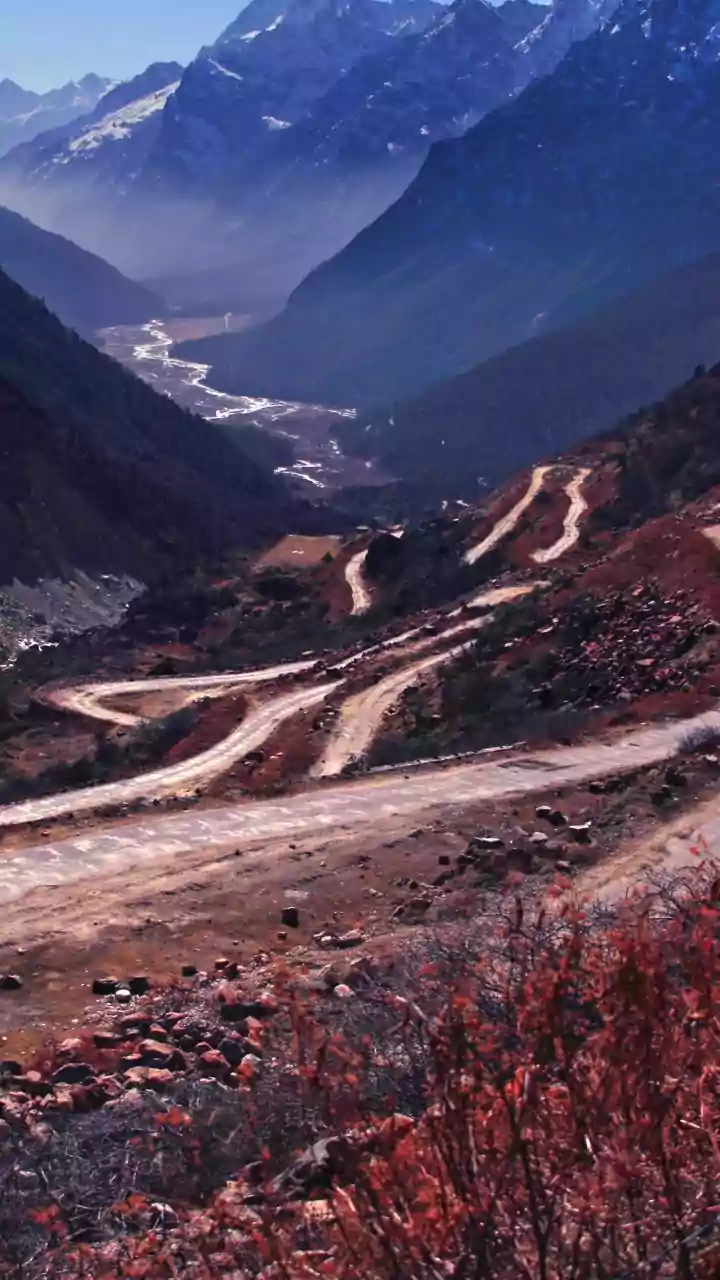
An early start from Lachung takes you to the famous Yumthang Valley, often called the 'Valley of Flowers'. Located at an altitude of 11,800 feet, the valley is a surreal landscape of meadows, a meandering river, and hot springs, surrounded by Himalayan peaks. During spring (April-May), it is covered in a carpet of wild rhododendrons. In winter, it transforms into a snow-covered wonderland. Many tours offer an optional, extra-cost trip to Zero Point (Yumesamdong), where the civilian road ends, for an even more dramatic snow experience, weather permitting. After spending time in the valley, you will drive back to Lachung for lunch and then begin the long journey back to Gangtok, arriving in the late evening.