




The Reality of Soaring Skies
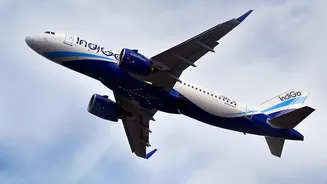
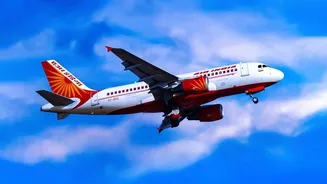
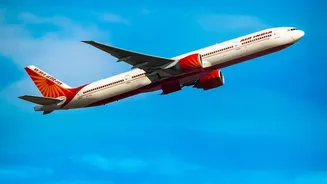
Planning a trip within India this year feels more expensive, and it’s not just your imagination. Ahead of the festive season, fares on major routes have seen a significant spike. Data shows that routes like Delhi-Hyderabad and Mumbai-Kolkata have experienced
year-on-year fare increases of up to 68% and 51% respectively. This surge is attributed to a combination of factors: higher jet fuel prices, reduced flight frequencies by some major carriers, and consistently strong passenger demand. Airlines have scheduled fewer domestic flights for the last quarter of the year, which, coupled with a rush to travel for holidays and festivals, has put upward pressure on the ticket prices for the available seats.
A Fundamental Shift in Priorities
The primary reason travel remains a non-negotiable expense for many is a deep-seated psychological shift. The post-pandemic era has fundamentally changed how people view their savings and their time. For many urban Indians, travel is no longer a simple discretionary spend but is now considered an an essential component of personal well-being and a lifestyle necessity. The urge to make up for lost time has evolved from 'revenge travel' into a more deliberate prioritisation of experiences over material goods. Having a trip to look forward to has become a way to cope with daily demands, with many travellers associating the act of journeying with positive emotions and a mental reset.
Smarter, Not Harder, Booking Strategies
While the will to travel is strong, consumers are not simply absorbing the higher costs without a plan. Travellers are becoming more strategic to make their holiday budgets work. A key trend is booking further in advance, with many now planning their trips at least two months ahead to lock in better prices. Others are demonstrating flexibility with their destinations, opting for places that offer better value. There is also a growing interest in breaking up the year with multiple shorter getaways instead of one long, expensive holiday. This approach allows for more frequent breaks without a massive single outlay. Furthermore, many are cutting back on other non-essential spending to ensure their travel fund remains intact, signalling a clear choice in household priorities.
The Blurring Line Between Domestic and International
The sharp rise in domestic fares is having an interesting side-effect: it's making some international destinations look more appealing and value-conscious in comparison. With a high ticket price for a flight to another part of India, some travellers are now weighing whether adding a bit more to their budget could get them to nearby international locations. Short-haul destinations in Southeast Asia and the Middle East are benefiting from this trend. Countries like Thailand, Vietnam, and Sri Lanka are seeing a surge in interest from Indian tourists, who are drawn by affordable on-ground costs, visa-friendly policies, and the allure of a foreign vacation that might not cost much more than a peak-season domestic one.
Redefining the 'Worthwhile' Trip
Ultimately, the definition of a valuable holiday is changing. The focus is shifting from ticking off a checklist of tourist spots to seeking out more personal and meaningful experiences. Travellers are increasingly building trips around specific interests like wellness retreats, cultural festivals, or culinary tours. The rise of flexible and remote work arrangements also plays a role, allowing for longer stays or 'workations' that blend productivity with leisure, changing the cost-benefit analysis of a flight. Instead of short, frantic trips, there's a growing preference for slower travel with fewer bases, allowing for genuine relaxation and discovery. In this new landscape, paying a premium is acceptable if it translates to a richer, more convenient, or more memorable experience.