






From Ancient Rituals to Viral Trends
The return to natural, kitchen-based remedies isn't just about nostalgia; it's a move towards gentle, time-tested care. Both rice water and fenugreek (commonly known as methi in India) have deep roots in traditional beauty practices, from Japanese and Chinese
hair rituals to Ayurvedic medicine. Now, social media has rediscovered their power, with countless posts celebrating their ability to transform hair and skin. The appeal lies in their simplicity, affordability, and the impressive list of nutrients they contain, such as amino acids, vitamins, and proteins.
Spotlight On: Rice Water
For centuries, women in Asia have used the starchy water left over from soaking or boiling rice to achieve long, strong, and shiny hair. The secret is believed to lie in its rich composition of vitamins B and E, minerals, amino acids, and a unique carbohydrate called inositol. Research suggests inositol can penetrate damaged hair and remain there, forming a protective coat that reduces friction and improves elasticity. This helps to strengthen the hair shaft, minimize breakage, and enhance shine.
How to Use Rice Water
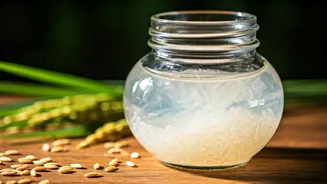
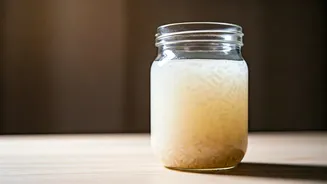
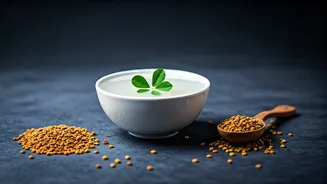
Making your own rice water rinse is simple. Take half a cup of uncooked rice, rinse it once to remove impurities, then soak it in two to three cups of water for at least 30 minutes. Strain the milky water into a clean jar. For a more potent version, you can leave this water at room temperature for 24-48 hours to ferment, which can increase its antioxidant levels. To use, wash your hair with shampoo, then pour the rice water over your hair, massaging it into your scalp and strands. Let it sit for 20 minutes before rinsing thoroughly with warm water. Use this treatment once or twice a week.
Spotlight On: Fenugreek (Methi)
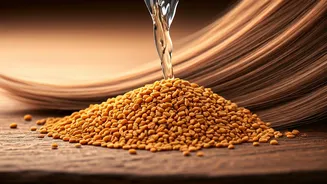
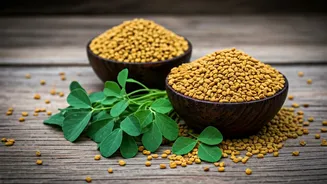
A staple in Indian kitchens, fenugreek seeds are a powerhouse of nutrients. They are rich in protein, iron, and nicotinic acid, all of which are vital for healthy hair follicles and stimulating growth. Traditionally used in Ayurveda to combat hair fall and dandruff, fenugreek also has anti-inflammatory and antifungal properties that help maintain a healthy scalp. The seeds contain a gel-like substance called mucilage which acts as a natural conditioner, leaving hair soft, manageable, and with a healthy sheen.
How to Use Fenugreek
A fenugreek hair mask is an effective way to harness its benefits. Soak two to three tablespoons of fenugreek seeds in water overnight. In the morning, grind the softened seeds into a smooth paste, adding a little water if needed. For extra conditioning, you can mix the paste with yogurt or a tablespoon of coconut oil. Apply this mask evenly to your scalp and hair, from roots to tips. Leave it on for 30-45 minutes before washing it out with a mild shampoo. This mask can help soothe an itchy scalp, reduce dandruff, and strengthen hair over time.
A Word of Caution
While these natural remedies are generally safe, it's wise to be cautious. Rice water can cause 'protein overload' in some hair types, especially low-porosity hair, leading to stiffness and dryness. If this happens, reduce the frequency of use. With fenugreek, those with allergies to legumes like peanuts or chickpeas should perform a patch test first, as it belongs to the same plant family. As with any beauty treatment, results are not instantaneous. Consistency is key, and it's important to listen to your hair and skin's needs.