






A Vessel Steeped in Spirit
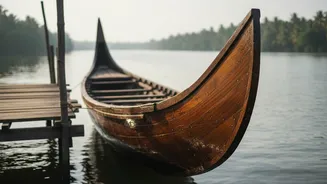
Before any physical work begins, it's crucial to understand that a snake boat is more than just a vessel; it is a deity to its village. Each boat, or 'Palliyodam' in the context of the sacred Aranmula races, belongs to a specific village or community
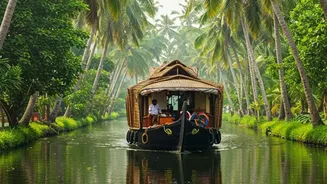
('kara') and is treated with profound reverence. Traditionally, only men, who must be barefoot as a sign of respect, are allowed to touch the hull. This deep spiritual connection sets the stage for the meticulous, ritualistic preparation that follows. The process is not merely maintenance but a sacred duty, an offering to the boat's spirit before it faces the turbulent monsoon waters. These boats are central to festivals like Onam, turning the waterways into arenas of culture and community pride.
The Annual Anointing Ritual
The preparation is an annual affair that begins well before the racing season. The massive boat is brought ashore, where it undergoes a thorough cleaning and inspection. The village's master carpenter, the 'moothashari', carries out any necessary repairs to the wooden planks, which are typically made from water-resistant Anjili wood (wild jackfruit). This repair work is a tradition passed down through generations. Once the structural integrity is confirmed, the boat is ready for its waterproofing treatment, a process that is both a community activity and a closely guarded secret. The entire community often participates in the construction and maintenance, a practice that reinforces unity and collective effort.
A Potent, Time-Tested Recipe
The secret to the snake boat's durability lies in a potent, all-natural mixture that is methodically applied to the hull. The primary ingredient is fish oil, which penetrates deep into the wood, making it supple and water-resistant. This is blended with carbon sourced from the ash of burnt coconut shells. The carbon acts as a sealant and provides a smooth, dark finish. To this mixture, other ingredients like egg whites are often added, which help to bind the materials and create a tough, slick coating. This traditional recipe creates a coating that not only protects the wood from rot but also makes the hull slippery, reducing friction and allowing it to move faster through the water.
The Rhythmic Art of Application
Applying this mixture is a laborious and rhythmic task. It’s not just slapped on; it is rubbed into the wood by hand, a process that can take many days. The men of the village work together, often singing 'Vanchipattu' (boat songs) to keep their spirits high and their efforts coordinated. Multiple layers of the oily concoction are applied, with each layer allowed to cure before the next is added. This meticulous application ensures that every inch of the hull is saturated, creating a hydrophobic shield that is both strong and flexible. This flexibility is key, as the long hull needs to be able to flex with the motion of the waves to avoid cracking under strain.