




The On-Demand, Any-Screen Revolution
The single biggest shift in Gen Z's entertainment habits is the move from scheduled programming to absolute control. Born between 1997 and 2012, this is the first generation to grow up entirely in a digital world where content is available anytime, anywhere.
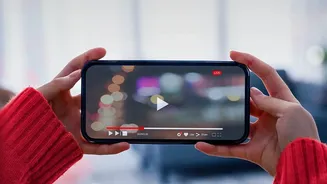
The concept of 'appointment television' is largely foreign. Instead of gathering around a single TV at a specific time, they consume content on their own terms. This might mean watching three episodes of a show on a phone at 2 AM, continuing on a laptop during a break, and finishing on a TV later. The screen itself has become secondary to the content; the story is what matters, not the size of the display. This flexibility, offered by OTT platforms like Netflix, Amazon Prime Video, and Disney+ Hotstar, has become the baseline expectation, making traditional media's fixed schedules feel outdated.
Short-Form Video is the New Default
While long-form series have their place, the dominant language of Gen Z entertainment is the short-form video. Platforms like Instagram Reels and YouTube Shorts have become central to their media diet. In India, where Gen Z makes up about 27% of the population, over 70% spend significant time daily on these platforms. This isn't just for viral dances; it's where they discover new music, follow trends, learn skills, and get news. The fast-paced, visually driven, and algorithm-powered nature of these feeds caters to a mobile-first lifestyle and has conditioned a preference for quick, engaging narratives. This habit is so ingrained that brands and even long-form content creators are adopting shorter, punchier storytelling to capture and retain their attention.
From Passive Consumers to Active Creators
Gen Z doesn't just watch; they create. The line between consumer and creator has blurred dramatically, giving rise to India's booming creator economy. A staggering 83% of Indian Gen Z consider themselves creators, turning what was once a hobby into a viable career path. For this generation, value lies in authenticity and relatability, often favouring content from peer-like influencers over polished, high-budget productions. These creators, many from Tier-2 and Tier-3 cities, are building entire businesses around their online presence, monetising through brand deals, subscriptions, and affiliate marketing. This shift means entertainment is no longer a one-way broadcast but an interactive dialogue where participation is key.
The Algorithm as the Ultimate Influencer
In the past, cultural gatekeepers—studios, TV networks, critics—decided what became popular. Today, that power lies with the algorithm. The recommendation engines of YouTube, Netflix, and especially short-form video apps are the primary drivers of discovery for Gen Z. These systems create a highly personalized content universe for each user, feeding them a near-endless stream of videos, shows, and music tailored to their past behaviour. While this provides unparalleled personalization, it also shapes tastes and can create filter bubbles. For Gen Z, discovering a new artist or show often happens through a platform's suggestion rather than an external advertisement or review.
Redefining Social Viewing and Experiences
Watching entertainment is still a social activity for Gen Z, but it happens differently. Instead of gathering in the same room, communities form online around shared interests. Friends discuss shows in real-time through chat apps, share reaction clips, and participate in trends sparked by a series or film. This digital-first socialising extends to live events as well. For Gen Z, the journey to a concert often begins online, by discovering an artist through a viral clip. The live experience itself becomes content to be captured and shared, creating a cycle where digital and physical entertainment feed each other. This generation prioritises experiences, and streaming platforms have become the springboard for finding communities and events to participate in.