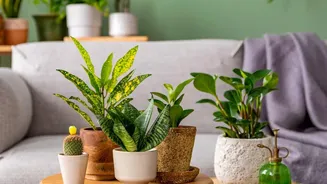



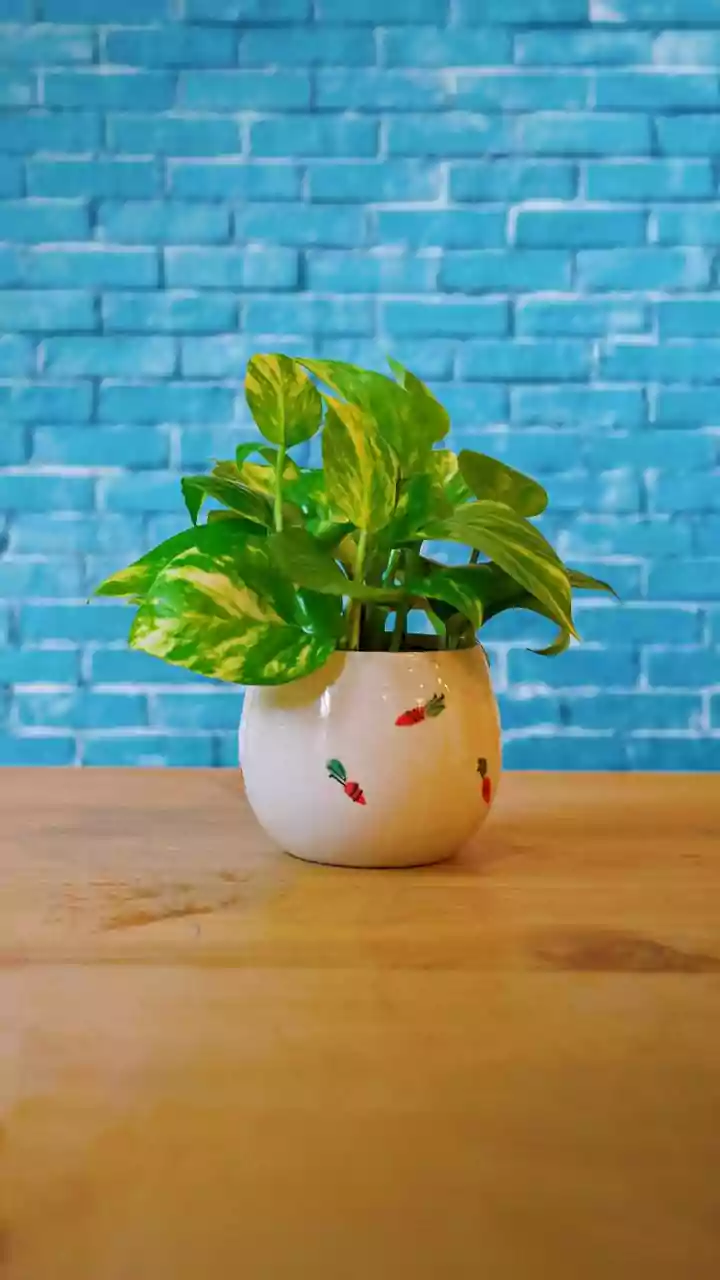


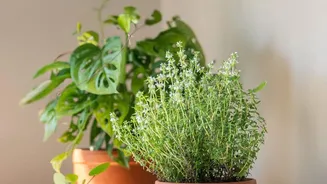
The Snake Plant: A Resilient Air Purifier
Also known as Mother-in-Law's Tongue, the Snake Plant is one of the hardiest and most low-maintenance houseplants you can own. It is celebrated for its ability to filter indoor air by removing toxins like formaldehyde and benzene. What makes it perfect
for the rainy season is its capacity to thrive in high humidity and low-light conditions, common during overcast days. While it helps regulate humidity, its primary benefit is purifying the air, which can become stagnant when windows are kept closed. Unlike many plants, it also releases oxygen at night, making it an excellent choice for bedrooms to improve air quality while you sleep.
The Peace Lily: A Natural Dehumidifier
With its elegant white blooms and glossy dark leaves, the Peace Lily is more than just a decorative piece. It is one of the best plants for absorbing moisture from the air through its leaves. This ability makes it a natural dehumidifier, ideal for preventing the damp conditions that lead to mould and mildew. Peace Lilies thrive in the high humidity often found in bathrooms and kitchens. They are also great communicators, as their leaves will droop slightly to let you know when they need water. Furthermore, they are effective at removing airborne toxins like ammonia and formaldehyde.
The Boston Fern: A Lush Moisture Magnet
Boston Ferns are classic houseplants known for their lush, feathery fronds. They are native to tropical climates and absolutely love humidity, which they absorb directly from the air. This makes them highly effective at balancing indoor humidity levels, especially in steamy rooms like bathrooms. While they help reduce dampness, they also act as natural humidifiers in dry air, restoring moisture as needed. NASA has recognized the Boston Fern for its excellent air-purifying qualities, as it efficiently removes common household toxins. For best results, keep the soil consistently moist but not waterlogged and provide it with bright, indirect light.
The Spider Plant: The Ultimate Toxin Fighter
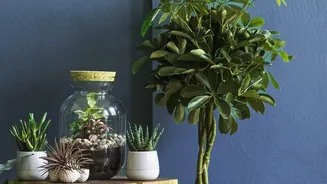
The Spider Plant is a resilient and fast-growing plant that's famously easy to care for, making it perfect for beginners. It excels at improving indoor air quality by filtering out pollutants like carbon monoxide and xylene. It's also effective at absorbing excess moisture from the air, helping to keep humidity levels in check during the monsoon. Its arching leaves and ability to produce little plantlets or 'spiders' add a playful and dynamic look to any room. Spider Plants are adaptable and can tolerate a range of conditions, but they prefer bright, indirect light to thrive.
The Areca Palm: Your Green Air Freshener
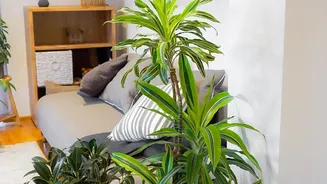
The Areca Palm, with its graceful, feathery fronds, brings a touch of the tropics indoors. While it's known to release moisture through transpiration, making it an excellent natural humidifier for dry spaces, its role during the monsoon is more about air purification. As ranked by NASA's studies, it is a powerhouse at removing harmful toxins like formaldehyde and toluene from the air. This process significantly freshes up a stale indoor environment, which is common when ventilation is poor during rainy weather. A few of these palms can noticeably improve the overall air quality and comfort of your home.
Clay Absorbers: The Sustainable Solution
Beyond plants, clay moisture absorbers are a simple and eco-friendly way to tackle dampness. These products typically use activated bentonite clay, a natural mineral with a highly porous structure. The clay works through a process called adsorption, where it attracts and traps water molecules from the air within its tiny pores, effectively reducing humidity. Unlike electric dehumidifiers, they are silent, require no power, and are non-toxic. They come in sachets or decorative pots that can be placed in wardrobes, cabinets, and small rooms. Once saturated, some clay absorbers can be 'recharged' by being placed in the sun or gently heated, making them a reusable and sustainable choice for long-term moisture control.