




The Allure of the Unseen
For years, monsoon travel meant braving the crowds at popular hill stations. Now, a growing wave of travellers is turning away from the familiar and venturing into the lesser-known parts of the Western Ghats. This shift is driven by a desire for more
authentic and peaceful experiences. Instead of navigating packed viewpoints, people are seeking quiet trails, serene homestays, and a genuine connection with nature. Offbeat destinations in Maharashtra, Karnataka, and Kerala offer a respite from commercial tourism, allowing visitors to experience the raw, unfiltered beauty of the landscape without the usual hustle. This trend highlights a change in travel priorities, where solitude and unique experiences are valued over ticking off a checklist of famous locations.
Nature's Grand Monsoon Makeover
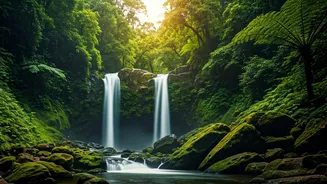
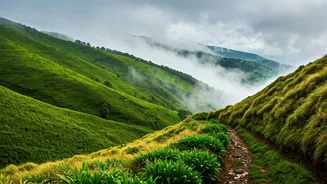
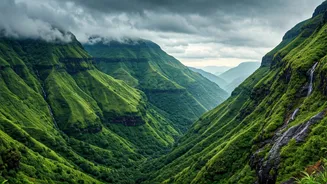
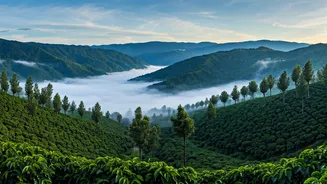
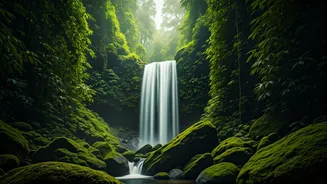
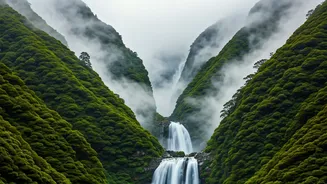
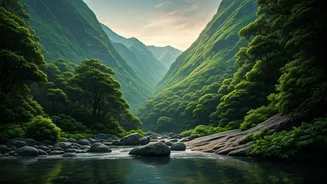
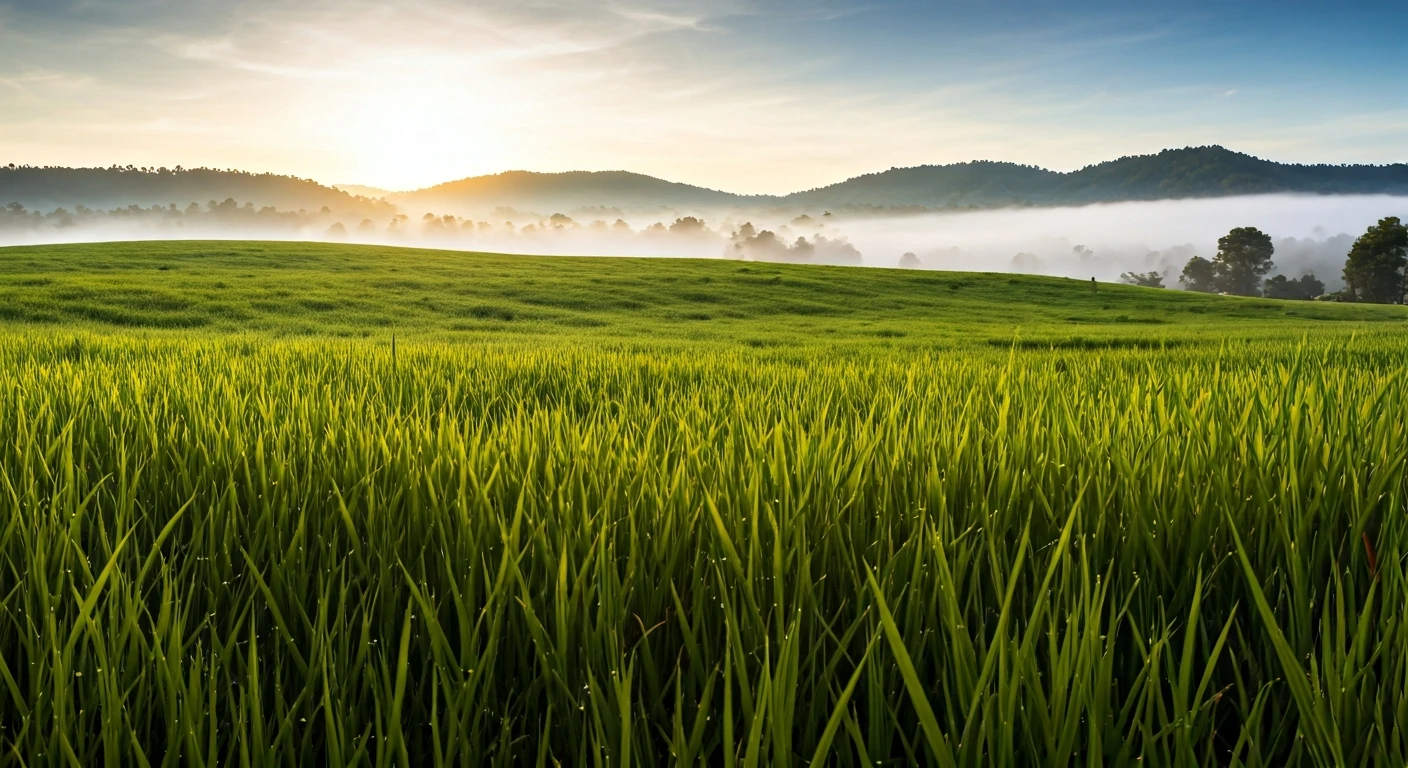
The Western Ghats undergo a dramatic transformation during the monsoon. The rain breathes life into the ancient hills, turning the entire landscape into a vibrant spectacle of lush greenery. Dry riverbeds swell into gushing streams, and dormant waterfalls cascade down cliffs with renewed vigour. The air is thick with the earthy scent of wet soil, known as petrichor, and a constant, cool mist blankets the valleys and peaks. This sensory overload is a primary draw for monsoon travellers. It's a time when the region’s rich biodiversity is on full display, from the chorus of frogs to the countless species of insects and birds that thrive in the wet conditions.
A Playground for Adventure
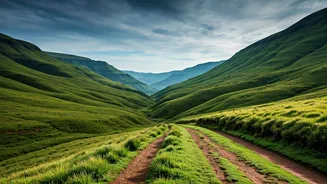
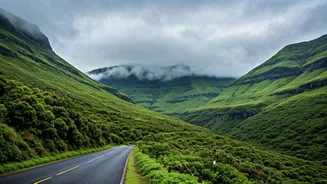
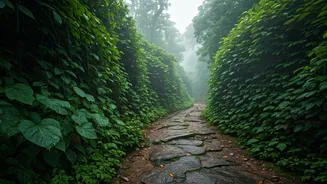
For the adventurous, the monsoon unlocks a different kind of thrill. The rain-soaked terrain creates challenging and rewarding trekking routes through dense forests and rolling grasslands. Trails that are simple in other seasons become exciting expeditions, often leading to hidden waterfalls or spectacular viewpoints shrouded in clouds. Destinations like Agumbe in Karnataka, known as the 'Cherrapunji of the South', and Malshej Ghat in Maharashtra become hotspots for trekkers and rock climbers. Beyond trekking, travellers are engaging in unique activities like nocturnal walks to spot rare amphibians, birdwatching, and simply enjoying long, scenic drives on winding roads flanked by walls of green.
Finding Value in the Off-Season
While the monsoon is the peak season for experiencing the Ghats' beauty, it is technically an off-season for conventional tourism. This comes with significant practical advantages. Fewer tourists mean less crowded trails, viewpoints, and accommodations. This translates into a more peaceful and immersive experience. It also often means better value for money, with homestays and resorts offering lower rates compared to the crowded winter and summer months. This combination of fewer people and lower costs makes an offbeat monsoon trip an attractive proposition for budget-conscious travellers and those looking to escape the typical tourist rush.
Exploring the Hidden Corners
The term 'offbeat' covers a vast stretch of the Ghats. In Maharashtra, places like Amboli and Tamhini Ghat offer stunning waterfalls and misty drives away from the Lonavala crowds. Karnataka's gems include the pristine trekking trails of Kudremukh and the biodiversity-rich forests around Agumbe. Further south, the lesser-explored parts of Wayanad in Kerala provide a sanctuary for the soul with their sprawling plantations and ancient caves. These destinations are not just places on a map; they represent a different travel philosophy, one focused on discovery, ecology, and appreciating the delicate, temporary beauty that the monsoon reveals.
A Note on Responsible Travel
While the appeal is undeniable, travelling to the Western Ghats during the monsoon requires caution. The heavy rains can make trails slippery and treacherous, and the risk of landslides in certain areas is real. It's crucial to check weather forecasts and local conditions before setting out. Leeches are a common feature on monsoon treks, so appropriate footwear and leech socks are advisable. Furthermore, the increased interest in these ecologically sensitive areas calls for responsible tourism. This means respecting local communities, minimizing your environmental footprint, and understanding that you are a guest in a fragile, vibrant ecosystem that is at its most powerful and vulnerable during this season.