



The Cosmic Connection to Halley's Comet
The Orionid meteor shower is an annual event that occurs when Earth passes through the trail of dusty, icy debris left behind by Halley's Comet. While the comet itself only visits the inner solar system every 76 years—with its next appearance due in 2061—it
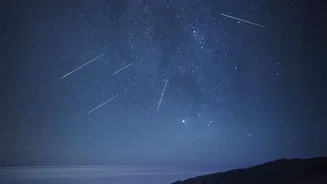
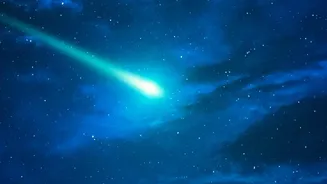
leaves a spectacular reminder of its journey. The tiny particles, many no larger than a grain of sand, burn up upon entering our atmosphere at incredible speeds of around 66 kilometres per second, creating the bright, fast streaks of light we call meteors or 'shooting stars'. The Orionids are known for being particularly bright and swift, sometimes leaving behind glowing trails that can linger for several seconds.
Peak Viewing Dates and Times for India
Mark your calendars for the night of October 21-22, 2026, which is when the shower will be at its peak. The shower is active for a longer period, from early October to early November, but your best chance to see the most meteors will be during this peak window. For observers in India, the most crucial time will be in the hours between midnight and dawn. This is because there's a significant challenge this year: a bright waxing gibbous Moon will be in the sky for much of the night, its glare washing out the fainter meteors. The good news is that the Moon will set in the early morning hours, creating a dark, moon-free window before sunrise, which is the prime time to watch.
How to Watch: A Simple Guide
The best part about watching a meteor shower is that you don't need any special equipment. In fact, binoculars and telescopes are not recommended because they limit your field of view, and meteors can appear anywhere in the sky. Find a comfortable spot, perhaps with a reclining chair or a blanket, lie back, and simply look up. Allow your eyes at least 20-30 minutes to fully adjust to the darkness; this is crucial for spotting the fainter streaks of light. Avoid looking at your phone, as the bright screen will ruin your night vision. Patience is key, as meteors often come in spurts with lulls in between.
Where to Look in the Night Sky
The shower is named 'Orionid' because its radiant—the point in the sky from which the meteors appear to originate—is located in the constellation Orion. In India, look for the familiar pattern of Orion the Hunter rising in the eastern sky after midnight. The radiant is near Orion's bright, reddish star, Betelgeuse. However, you don't need to stare directly at the radiant. In fact, meteors seen further away from this point will appear longer and more spectacular. The best strategy is to take in as wide a view of the dark sky as possible.
Finding the Right Location in India
For the best viewing experience, getting away from city lights is essential. The light pollution in major cities like Delhi, Mumbai, or Bengaluru can make it nearly impossible to see anything but the very brightest meteors. Head out to a rural area, a national park, a hill station, or even a large, dark park on the outskirts of your city. The goal is to find a location with a clear, unobstructed view of the sky, far from streetlights and building lights. Before you head out, check the local weather forecast. Clouds can, of course, spoil the show, so aim for a night with clear skies predicted.
Managing Your Expectations
Under perfect, dark-sky conditions, the Orionids can produce about 10 to 20 meteors per hour. In some exceptional years, this rate has been much higher, but a lower rate is more typical recently. It's important to remember that this is an ideal rate. Factoring in the bright Moon this year and ambient light pollution, the actual number you see will likely be lower. Don't expect a constant fireworks display. Instead, think of it as a quiet, patient celestial hunt. The thrill lies in spotting those sudden, brilliant streaks of light from a comet that has traveled through our solar system for millennia.