



What Is Solar Maximum?
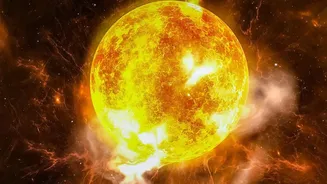
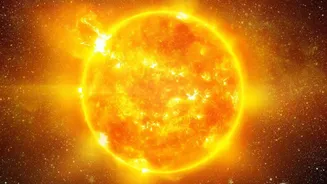
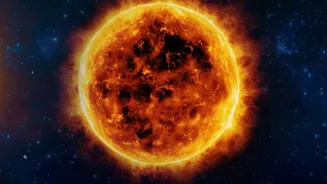
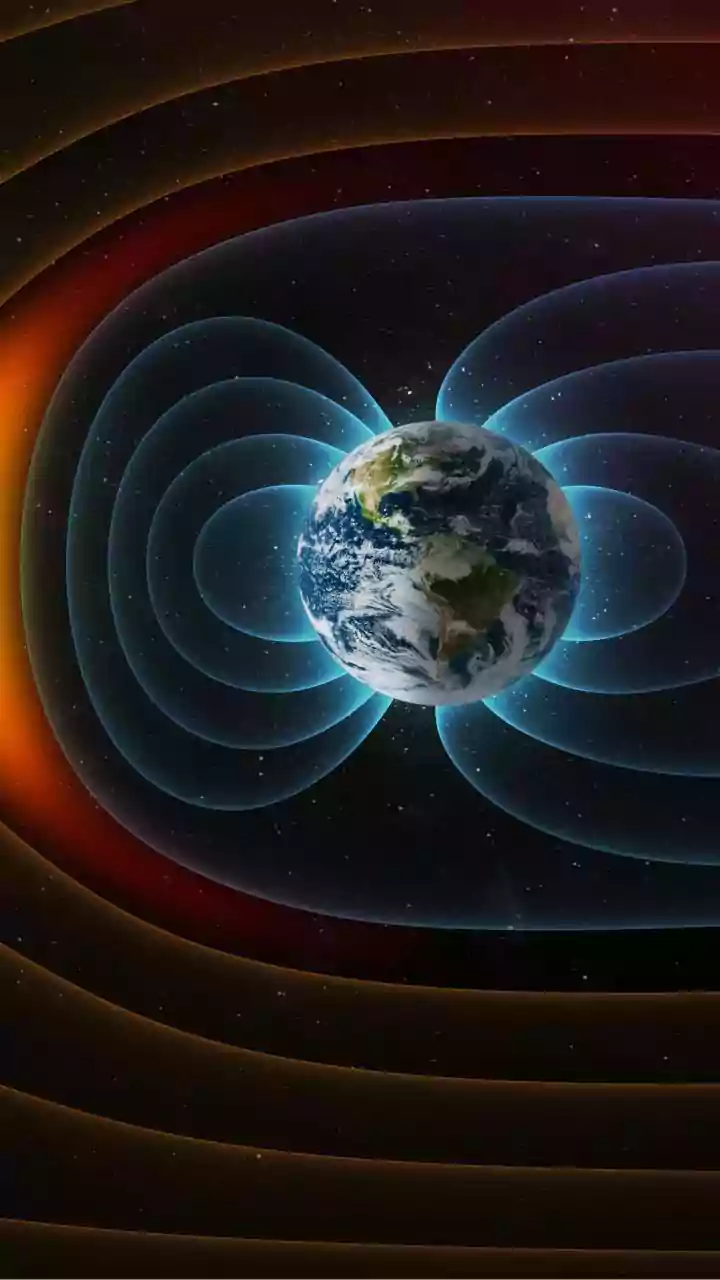
The sun operates on an approximately 11-year cycle, moving between periods of low activity (solar minimum) and high activity (solar maximum). This cycle is tracked by the number of sunspots on its surface. During solar maximum, the sun's magnetic field
becomes more tangled and energetic, leading to a dramatic increase in solar flares and coronal mass ejections (CMEs). While the headline mentions 2026, scientific bodies like NOAA and NASA have noted that the peak of the current cycle, Solar Cycle 25, is actually occurring sooner, between late 2024 and mid-2025. These peak periods, however, can last for several years, meaning heightened activity is expected throughout this window.
The Atmospheric Drag Effect
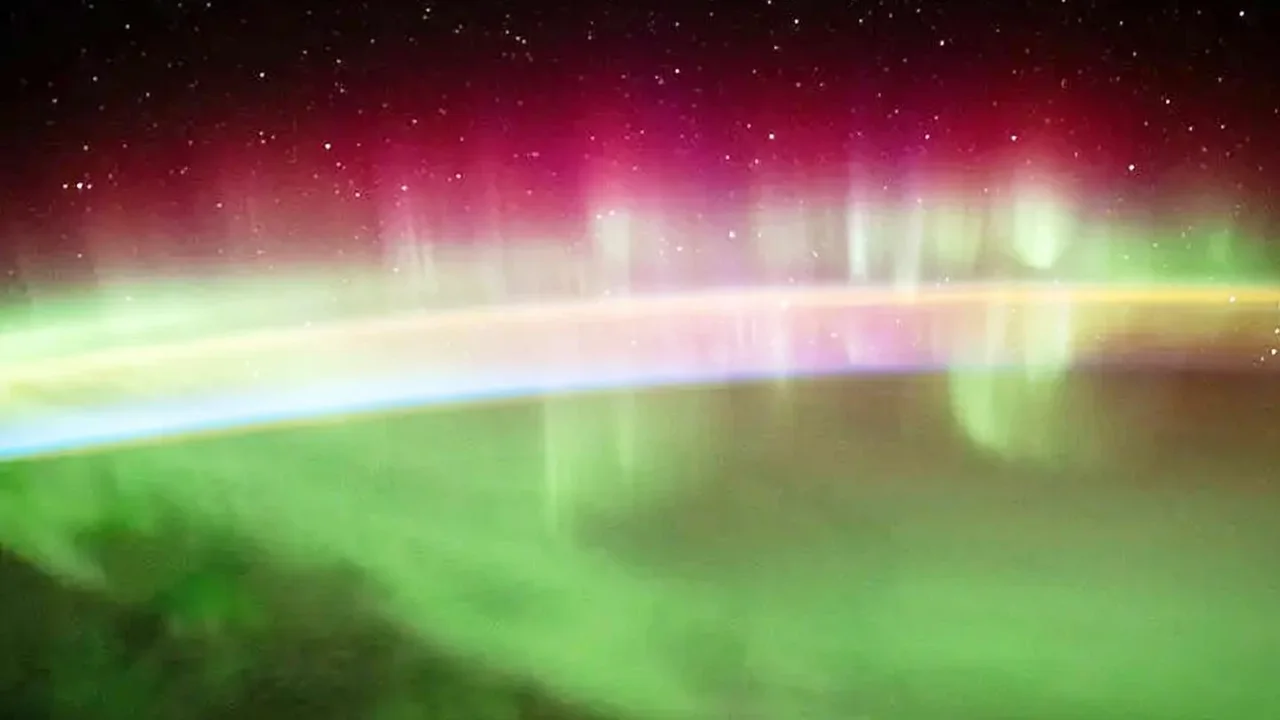
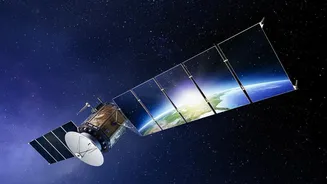
When the sun releases energy through flares and CMEs, it bombards Earth with X-rays and ultraviolet radiation. This energy is absorbed by our planet's upper atmosphere, specifically the thermosphere, causing it to heat up and expand. As the atmosphere puffs up, its density at lower altitudes increases. For satellites in low-Earth orbit (LEO), typically flying between 300 and 1,000 kilometers high, this is a major problem. They are suddenly flying through a thicker, denser layer of air, which creates a significant increase in atmospheric drag—essentially, more friction. During a major storm, this drag can increase by a factor of two to ten.
Satellites Pulled From the Sky
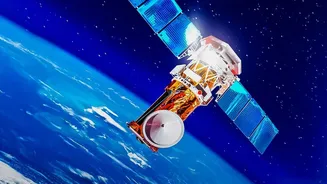
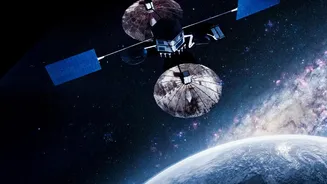
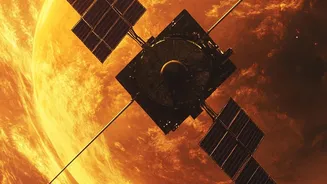
Increased drag acts like a brake on satellites, causing them to lose altitude and speed. This forces satellite operators to perform more frequent orbital manoeuvres, firing thrusters to boost the spacecraft back to its proper altitude. During a solar minimum, a satellite might need a boost four times a year, but during a solar maximum, this can jump to every two or three weeks. These manoeuvres consume precious fuel, shortening the operational lifespan of a satellite. In a dramatic 2022 event, a geomagnetic storm caused up to 40 newly launched Starlink satellites to fail to reach their intended orbit and re-enter the atmosphere. The increased drag also makes tracking satellites and space debris more difficult, raising the risk of catastrophic collisions in an already crowded space.
Impacts on Our Daily Lives in India
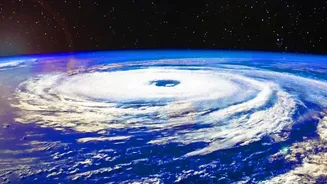
This disturbance in orbit isn't just a problem for space agencies; it has tangible effects on the ground. Our modern economy runs on satellite infrastructure. GPS navigation, critical for India's logistics, ride-hailing services, and agriculture, can suffer errors ranging from a few meters to a complete loss of signal. The financial sector relies on precise satellite timing for transactions. Telecommunications, including satellite TV and the growing satellite internet market, can experience disruptions. Weather forecasting, which depends on a constant stream of data from meteorological satellites, is also at risk, affecting everything from daily forecasts to cyclone warnings.
Mitigation and Preparation Efforts
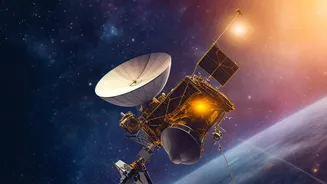
Space agencies like the Indian Space Research Organisation (ISRO) and NASA are not sitting idle. ISRO operates a fleet of meteorological satellites and has developed methodologies to track cyclones and provide early warnings for extreme weather. International collaboration, such as the NASA-ISRO Synthetic Aperture Radar (NISAR) mission, aims to provide a holistic view of Earth's systems to better manage natural hazards. By closely monitoring space weather and improving prediction models, agencies can anticipate the effects of solar storms, giving satellite operators time to adjust orbits, protect sensitive electronics, and ensure the space-based services we depend on remain as stable as possible.