




The Unseen Risk in Your Dabba
The primary danger in a lunchbox that sits for hours without refrigeration is the “temperature danger zone.” This is the range between 4°C and 60°C, where bacteria that cause food poisoning multiply rapidly. On a hot day, a tiffin box left in a bag or on a desk
can easily reach this zone, turning a wholesome meal into a health hazard. The risk is even higher in humid conditions, which further accelerate spoilage. Foods that seem perfectly fine to the naked eye can harbor multiplying bacteria, making caution essential.
Rethinking Your Summer Tiffin Menu
Not all foods are created equal when it comes to heat stability. During hot months, it's wise to avoid packing items that spoil quickly. High-risk foods include those with high moisture content like creamy or coconut-based curries, soft paneer bhurji, and anything with mayonnaise. Curd rice, while refreshing, can turn sour and unsafe if not kept cool. Cut fruits and vegetables are also more susceptible to spoilage than their whole counterparts. Even staples like poori with a soft potato masala or egg-based dishes can become risky after a few hours in the heat.
Smart and Safe Tiffin Swaps
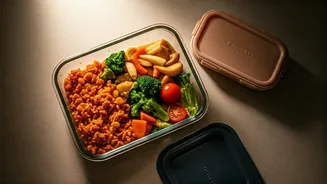
The solution isn't to give up on tiffins, but to pack smarter. Opt for dry or semi-dry preparations that hold up better in the heat, such as bhindis, stir-fried cabbage, or parathas. Lemon rice, tamarind rice, and dishes made with podi (dry lentil powders) are safer bets, provided they are cooled completely before packing. Instead of coconut chutney, consider a dry podi with a little oil. Whole fruits like bananas or apples are much safer than cut ones. Hard cheeses, crackers, and roasted peanuts are also excellent, stable options for snacks.
How to Keep Your Tiffin Cool
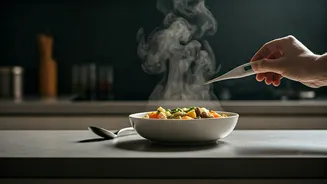
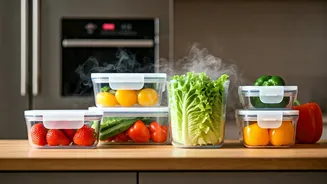
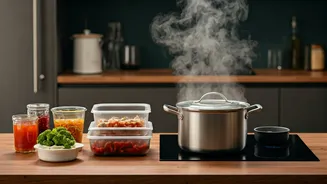
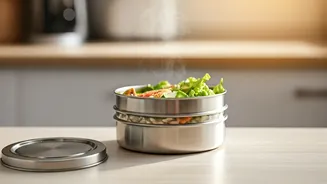
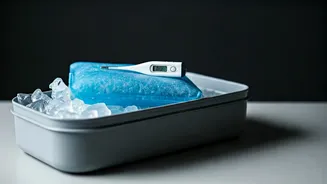
A few simple tricks can make a huge difference in keeping your lunch safe. One of the most common mistakes is packing food while it's still hot; the trapped steam creates moisture that encourages bacteria. Always let cooked food cool down to room temperature before closing the lid. Using an insulated lunch bag is highly recommended. To boost its effectiveness, place a small frozen water bottle or a gel ice pack inside. The frozen bottle will thaw by lunchtime, providing a cold drink. If possible, store your tiffin in a cool place at your office or school, away from direct sunlight.
When in Doubt, Trust Your Senses
Before you eat, take a moment to check your food. If something has an unusual or 'off' smell, a slimy texture, or a sour taste, do not eat it. Food poisoning is a serious risk, and it's never worth taking a chance on a questionable meal. The golden rule of food safety, especially in summer, is: when in doubt, throw it out. Discarding one meal is a small price to pay to avoid a potentially severe illness. This simple check is your final and most important line of defense against foodborne sickness.