







The Scale of UPI's Dominance
It’s hard to overstate just how massive UPI has become. In the financial year 2026, transactions worth over ₹314 lakh crore were processed through the platform. Person-to-Merchant (P2M) transactions now make up the majority of UPI's volume, accounting
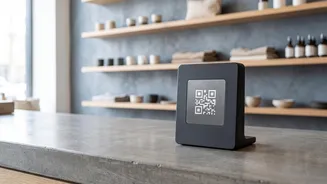
for about 65% of all transactions as of early 2026. This isn't just a trend among the urban elite; the adoption of QR codes has enabled millions of small kirana stores and street vendors to accept digital payments, often for the first time. The platform's simplicity—a quick scan of a QR code with a smartphone—has made it the default payment option for a huge portion of the Indian population, with projections showing it could account for 91% of all retail digital transactions by 2029. This widespread adoption has been a boon for financial inclusion, but it has also created a new set of economic realities for merchants.
The Zero-MDR Double-Edged Sword
For years, a key driver of UPI’s explosive growth was the government's zero Merchant Discount Rate (MDR) policy. MDR is a fee that merchants pay to banks and payment service providers for processing digital transactions. While credit card MDR can range from 1.5% to 2.5%, and debit cards up to 0.9%, UPI was free for merchants. This made it an incredibly attractive option, especially for small businesses operating on thin margins. However, this has recently changed. As of October 15, 2026, a 0.4% MDR is being applied to P2M UPI transactions above ₹2,000, capped at ₹300. While the government states that over 95% of transactions will remain free, this move introduces a new cost for retailers, particularly those dealing in higher-value goods like electronics or monthly groceries, where many transactions exceed the ₹2,000 threshold.
A New Payment Playbook for Retailers
This shift is forcing retailers to strategically re-evaluate their payment acceptance mix. With UPI now carrying a cost for larger transactions, the financial gap between it and other digital methods has narrowed, albeit UPI remains more affordable than credit cards. The core challenge for retailers is balancing customer convenience with rising operational costs. Customers now expect to use UPI everywhere, but for a business with a net margin of 1.5-2%, a 0.4% MDR on a significant portion of its sales is a direct hit to profitability. In response, some retailers are reportedly considering encouraging cash or direct bank transfers for larger purchases to avoid the fee. Retailer associations have expressed concern that this could potentially reverse some of the progress made in digital adoption, especially among smaller merchants who might now think twice before accepting UPI for big-ticket items.
Beyond Transactions: The Search for Value
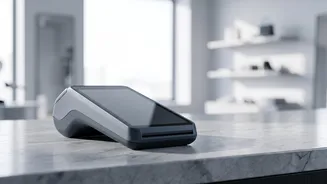
The dominance of UPI is also pushing retailers to think beyond the payment itself and focus on adding value in other ways. Since they can no longer rely on payment processing incentives, many are exploring integrated solutions. This includes adopting all-in-one Point of Sale (POS) devices that accept cards, QR codes, and offer features like inventory management and sales analytics. Another rising trend is the integration of 'Buy Now, Pay Later' (BNPL) options at checkout, which can encourage larger purchases by offering financial flexibility to consumers. For many businesses, the strategy is shifting from simply accepting payments to building a richer customer relationship. This might involve loyalty programs, data-driven offers, and creating a seamless omnichannel experience where the payment process is just one smooth part of a larger customer journey.