

What Exactly Is Matcha?
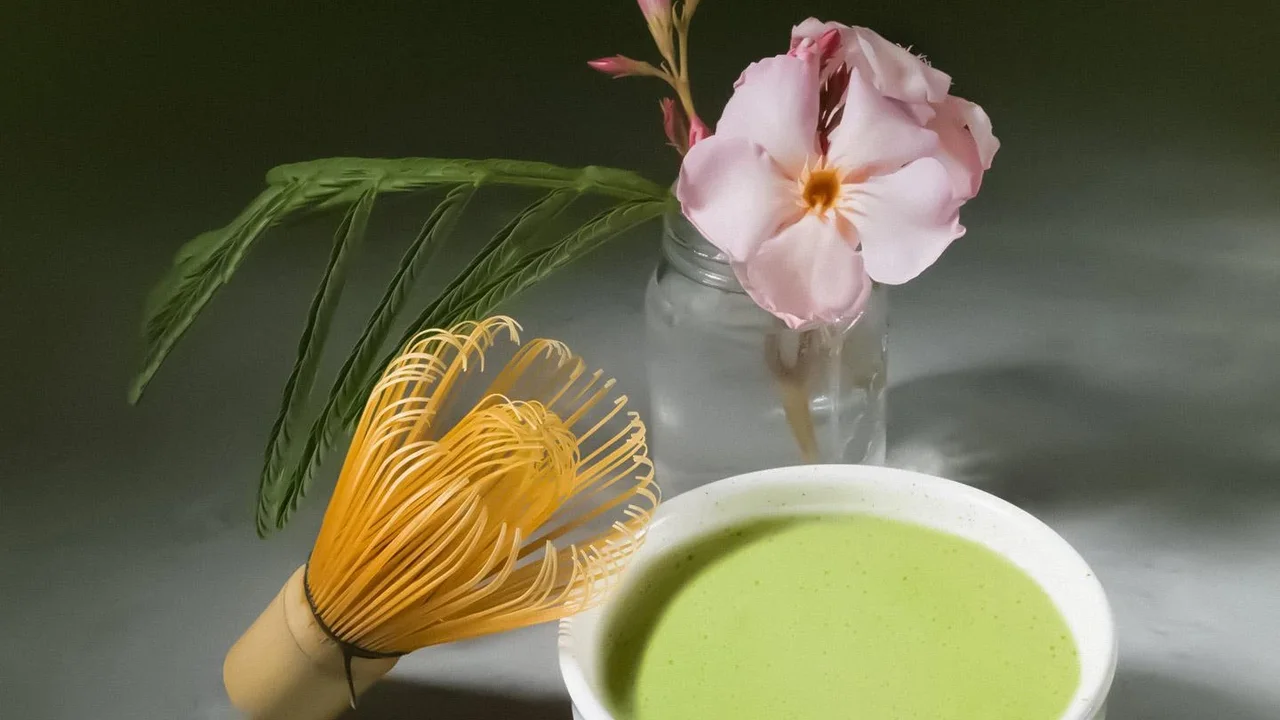
Before you start adding it to everything, it helps to know what you’re working with. Matcha and regular green tea come from the same plant, Camellia sinensis, but they are processed very differently. Green tea leaves are typically steeped in hot water,
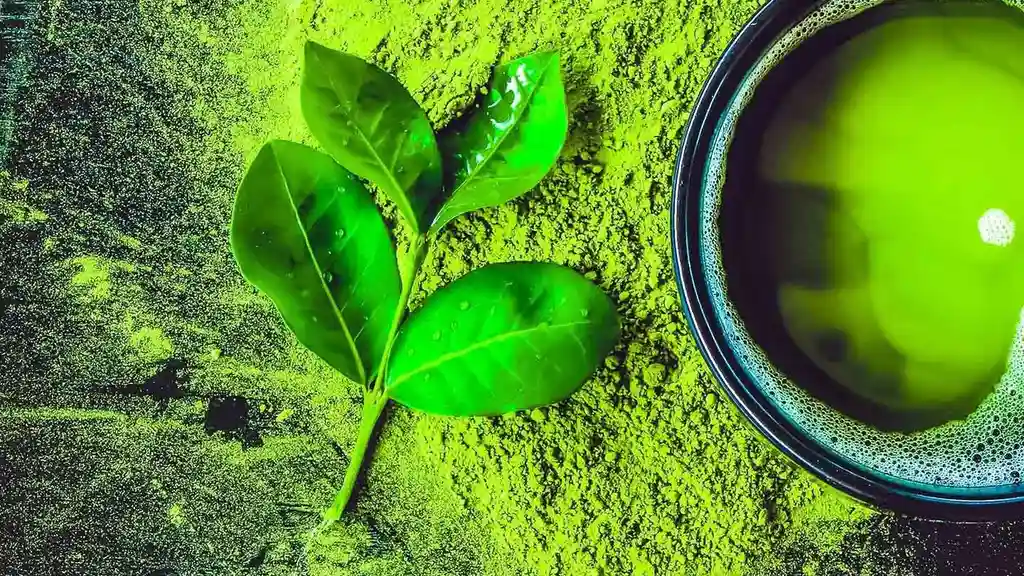
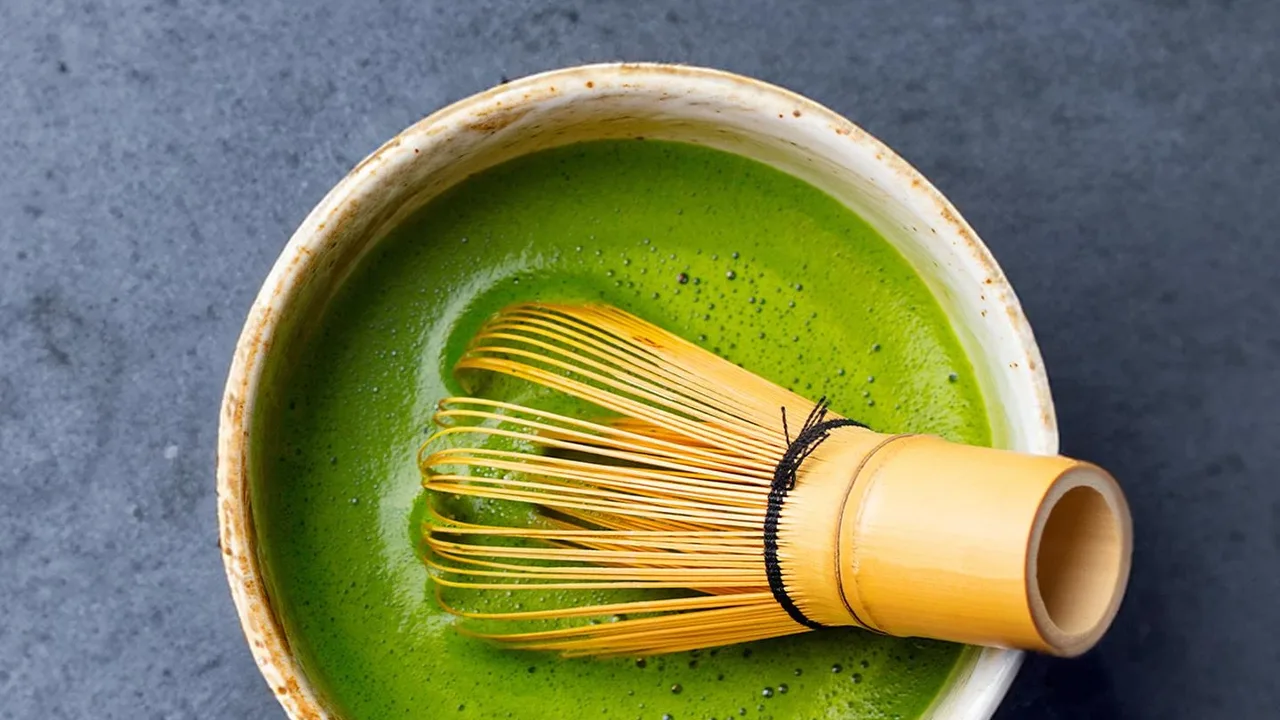
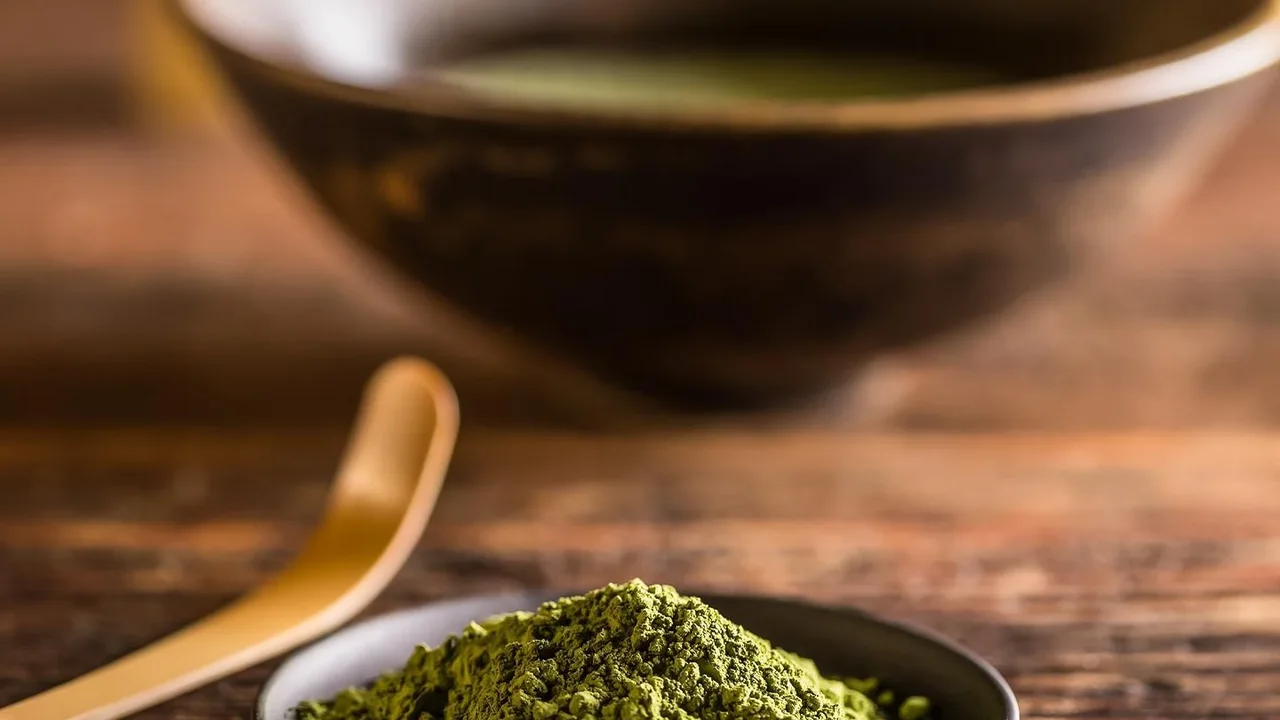
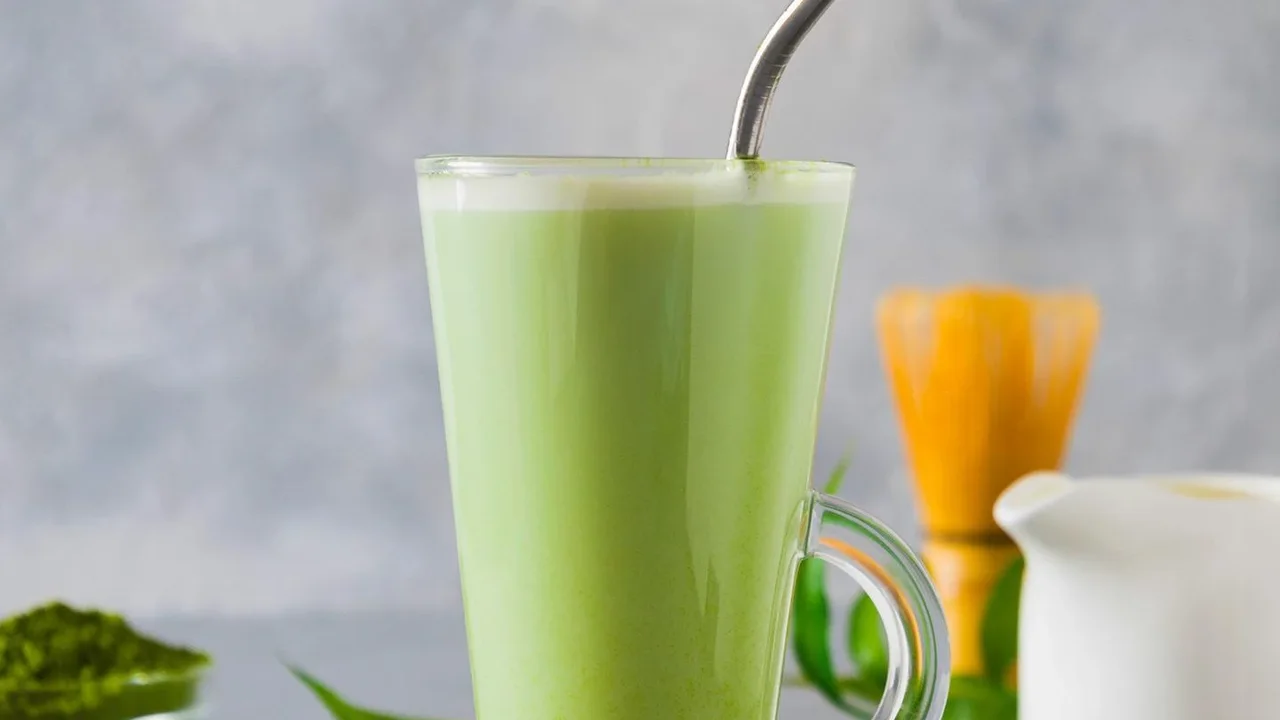
which is then strained and consumed. For matcha, the tea leaves are shade-grown for a few weeks before harvest, a process that increases their chlorophyll content and gives them their signature bright green colour. These leaves are then deveined, destemmed, and stone-ground into an incredibly fine powder. When you drink matcha, you are consuming the entire leaf, which results in a more concentrated flavour and a higher dose of the nutrients present in the plant. Its taste is often described as complex—grassy, slightly sweet, and with a distinct savoury or 'umami' quality that sets it apart.
More Than Just a Pretty Colour
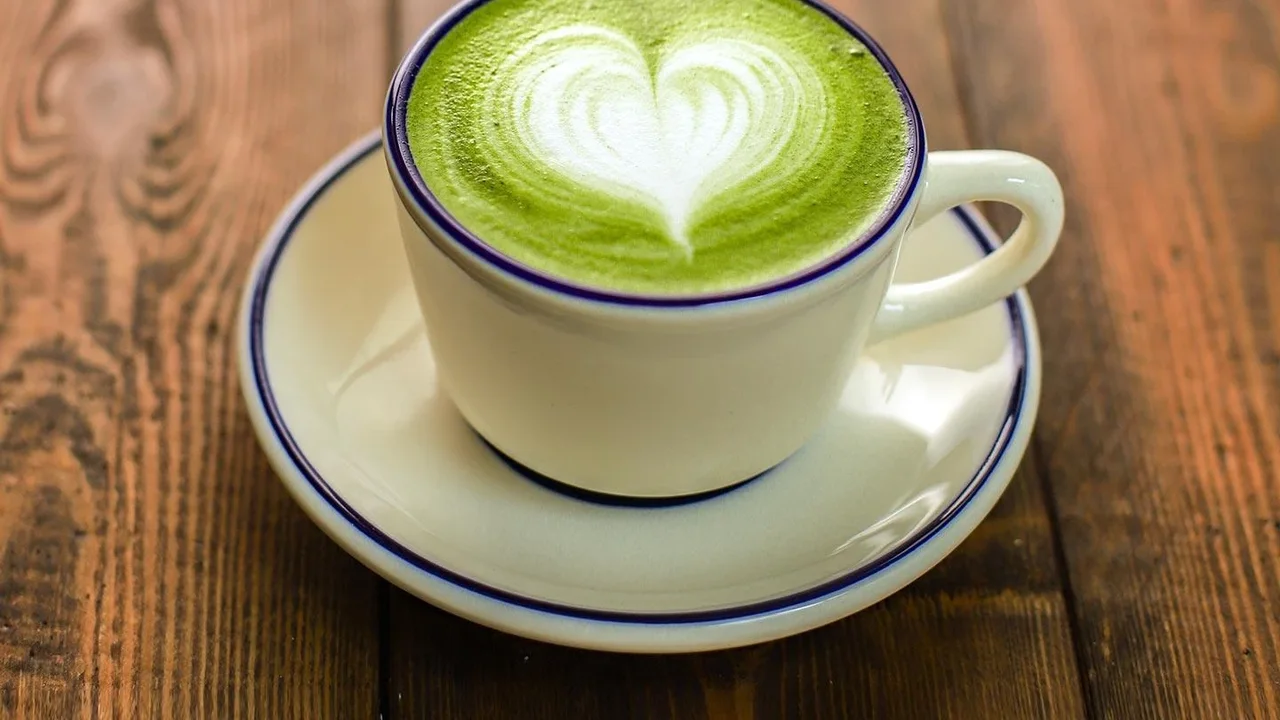
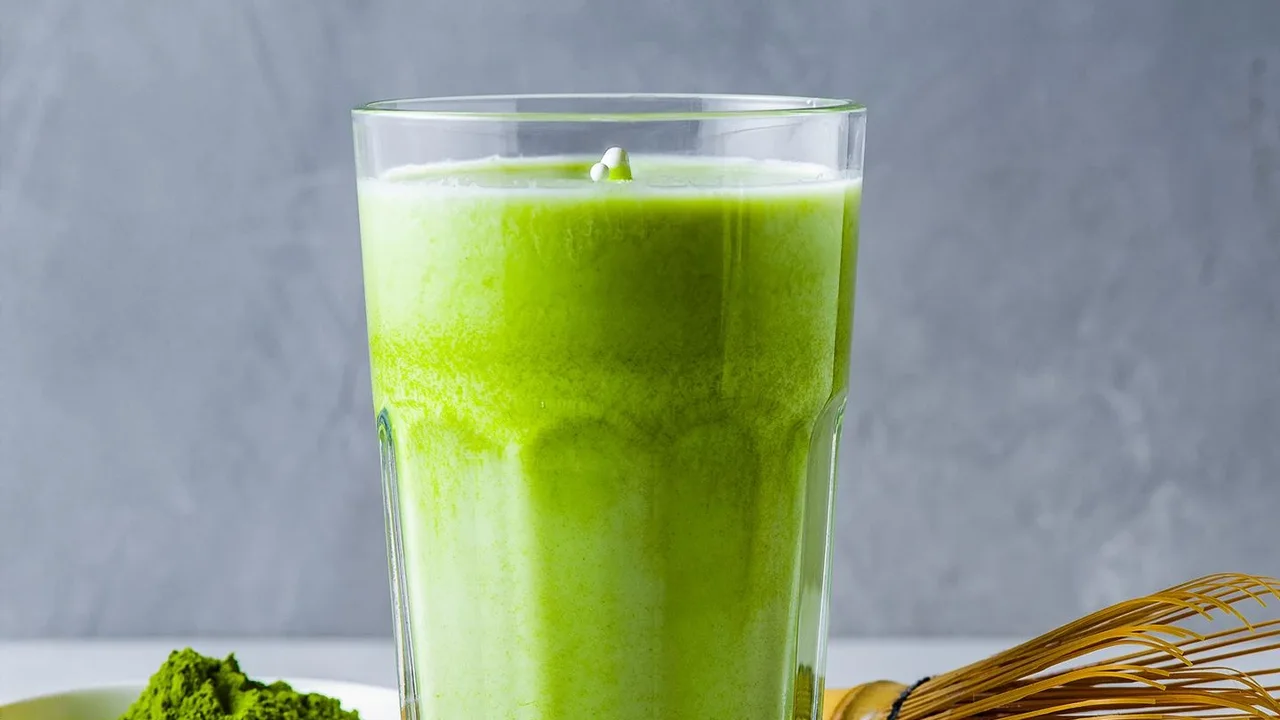
The explosion of matcha’s popularity isn't just about its Instagram-worthy appearance. Many are drawn to its unique combination of caffeine and an amino acid called L-theanine. This pairing is said to provide a state of 'calm alertness', delivering sustained energy without the jitters some people experience from coffee. Furthermore, because you're consuming the whole leaf, matcha is packed with antioxidants. This combination of visual appeal and wellness benefits has made it a star ingredient, moving it from the tea cup to the baker's bowl and the chef's pantry. Its versatility is its greatest strength; it can be dissolved into liquids for lattes or blended into batters and doughs.
The Green Wave in Global Desserts
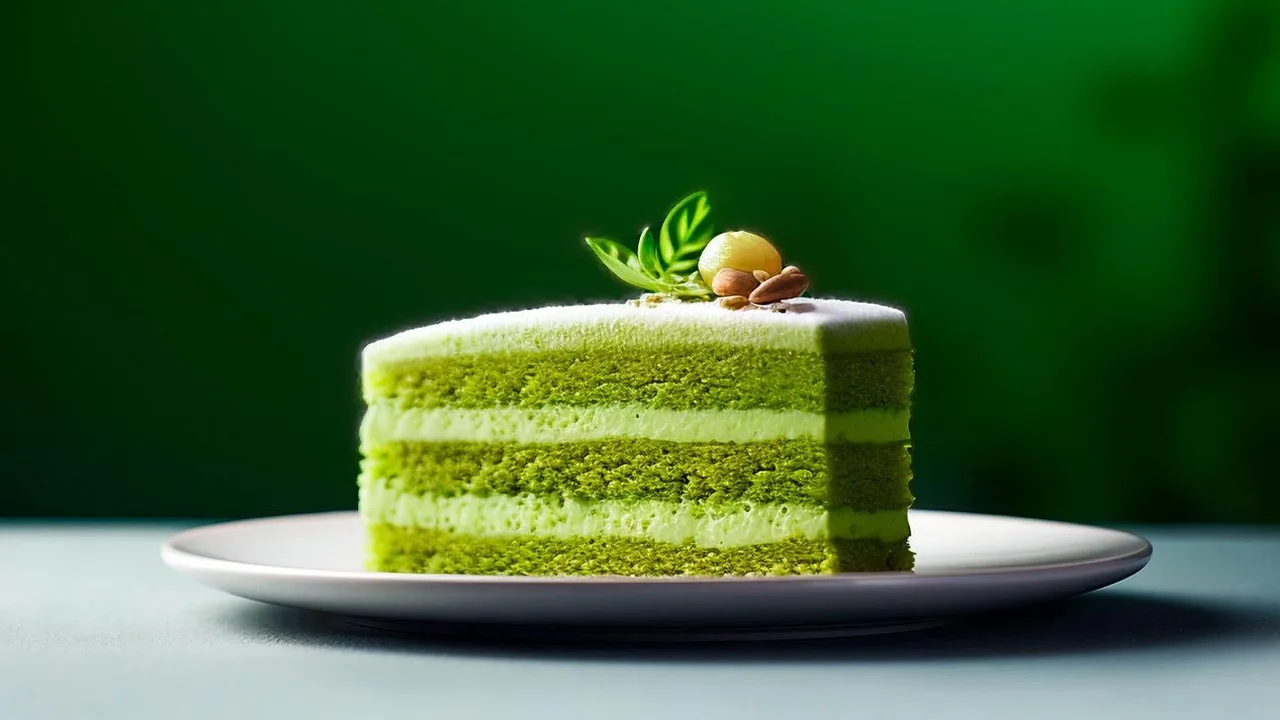
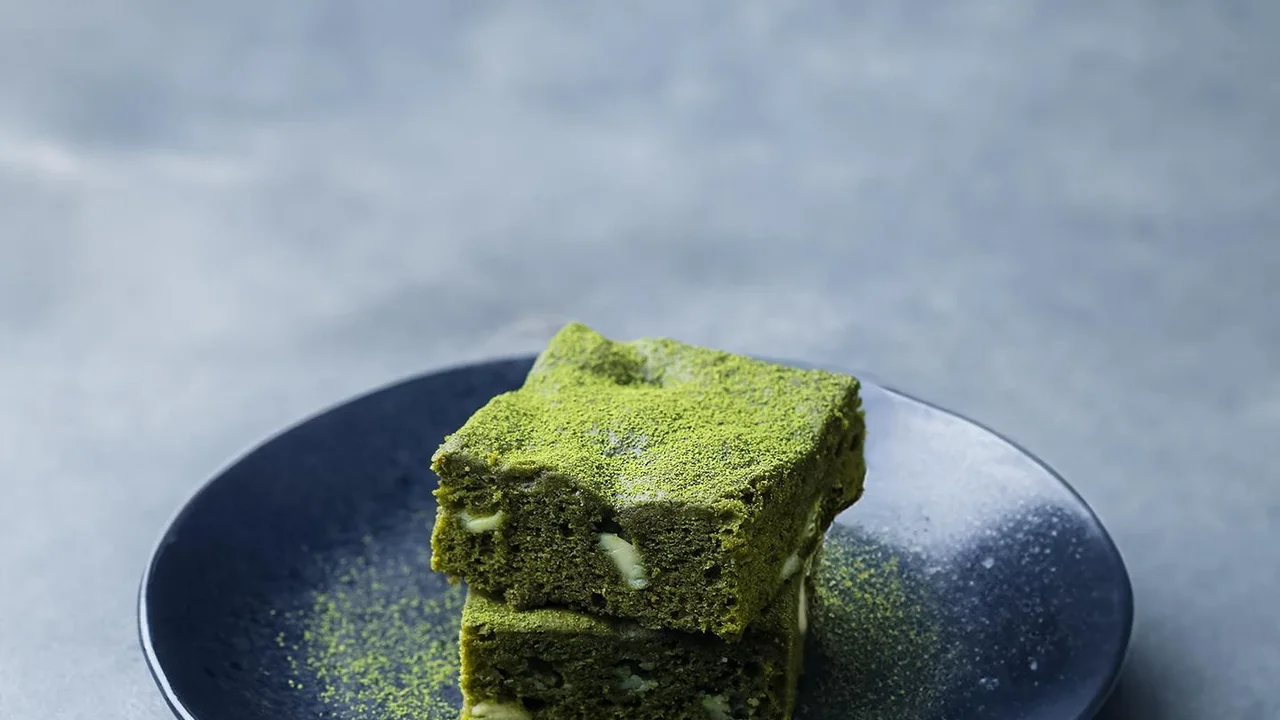
Perhaps the most exciting part of the matcha trend is seeing how it transforms beloved classics. In the world of baking and pastry, chefs are infusing it into everything. Imagine a flaky, buttery croissant with a vibrant green, almond-matcha filling. The classic Italian tiramisu is getting a Japanese-inspired makeover, with the coffee-soaked ladyfingers replaced by biscuits dipped in a fragrant matcha brew, layered with creamy mascarpone. Cheesecakes, too, are being reinvented with matcha, its earthy notes perfectly balancing the richness of the cream cheese filling. This isn't just about adding colour; the matcha introduces a new flavour dimension that makes these familiar desserts feel completely new again.
A Desi Twist on a Global Trend
The matcha wave has firmly arrived in India, with home cooks and chefs creatively weaving it into traditional recipes. The fusion of Japanese umami with Indian spices is creating some truly innovative dishes. Imagine a Matcha Chai Latte, where the warming spices of cardamom, ginger, and cinnamon meet the earthy notes of green tea for a uniquely comforting brew. Even classic sweets are getting a green makeover. There are recipes for Matcha Coconut Ladoos, which add a healthy and modern twist to the festival favourite. Some adventurous cooks are even blending culinary cultures by creating Matcha Masala Dosa Tacos or a fusion dessert that layers rasgulla with matcha-dusted cream. These creations show just how adaptable the ingredient is, finding a natural home alongside India's rich culinary traditions.
Tips for Your Own Green Creations
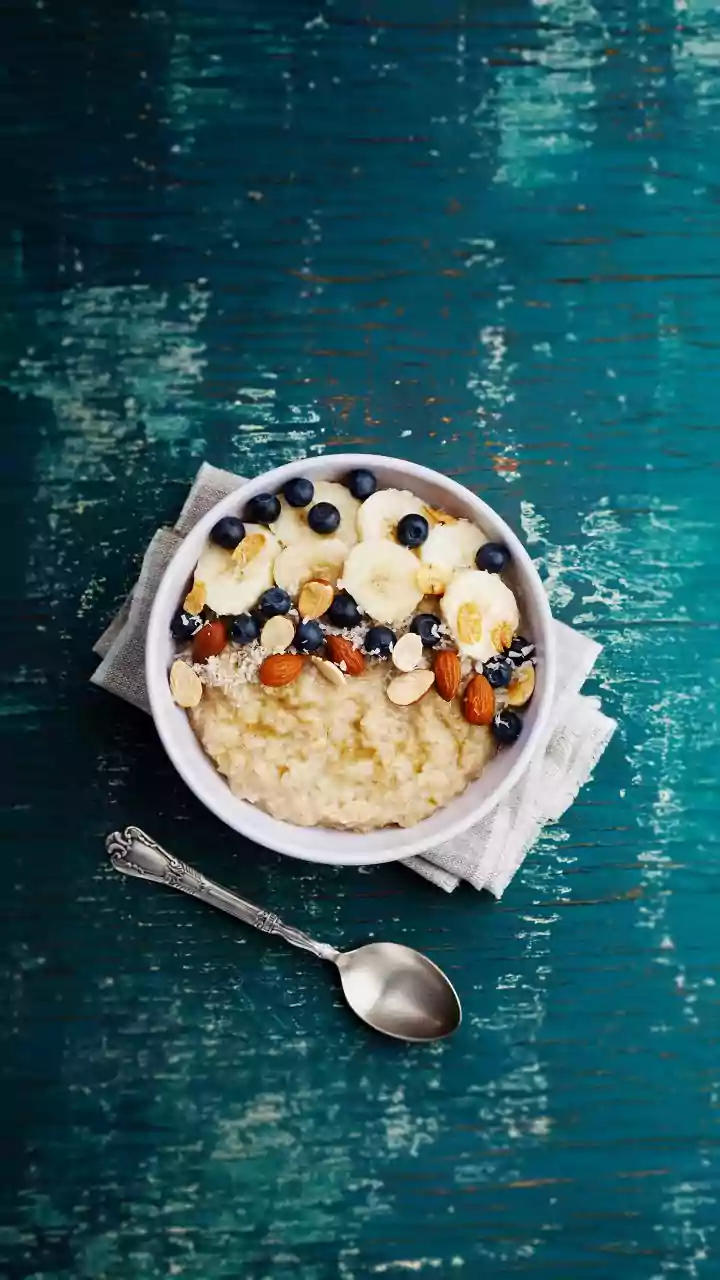
Ready to experiment? Cooking with matcha is easier than you think. First, know your grades. Ceremonial grade is the highest quality with a smooth, subtle flavour, best for drinking straight. Culinary grade is more robust and slightly more bitter, making it perfect and more affordable for baking and cooking, as its flavour holds up against other ingredients. To avoid clumps, it’s best to sift the matcha powder before mixing it into wet ingredients. This is especially important for drinks and smooth batters. Start with a small amount—usually a teaspoon or two—as its flavour can be quite potent. You can always add more to taste. From smoothies and morning oatmeal to pancakes and even savoury sauces, a little matcha can go a long way in adding flavour and colour to your daily meals.