

The Visual and Sensory Check
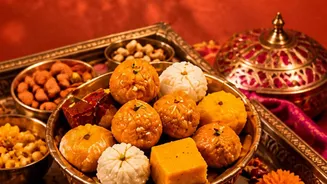
Before you even buy, use your senses. Pure khoa should have a uniform whitish or pale yellow colour and a slightly uneven, granular texture. It should smell mildly of cooked milk and ghee. If it looks unnaturally white or overly smooth and pasty, it might
contain additives. Avoid khoa that smells sour, stale, or has no aroma at all, as these are red flags. This initial check at the sweet shop can save you from bringing home a compromised product. A good quality product should not have any abnormal or objectionable flavour or appearance.
The Palm Rub Test
This is a classic test you can perform right at the counter. Take a small piece of the khoa or a bit of the sweet and rub it on your palm. Pure, fresh khoa is rich in milk fat and will feel slightly oily and grainy. It should leave a greasy residue or stain on your palm. If the sample feels sticky, pasty, or unusually dry and powdery, it may be adulterated with flour or starch. Adulterated khoa will not leave behind the characteristic greasy feeling associated with pure milk solids.
The Taste Test
If the visual and rub tests pass, a small taste can reveal a lot. Pure khoa has a distinct, mildly sweet flavour reminiscent of boiled milk. It should not taste overtly sugary, which can be a method to mask the flavour of inferior ingredients. If you detect any chemical, soapy, or unusually starchy taste, it's a clear sign of adulteration. Fake khoa might taste flat or leave an unpleasant aftertaste. Trust your palate; if something tastes 'off,' it probably is.
The Iodine Test for Starch
Starch from flour, potato, or blotting paper is one of the most common adulterants used to add bulk to khoa. The Food Safety and Standards Authority of India (FSSAI) recommends a simple test you can do at home. Take a small sample of the khoa (about a teaspoon) and dissolve it in a cup of hot water. After it cools down, add a few drops of tincture of iodine, which is available at most pharmacies. If the mixture turns blue or black, it confirms the presence of starch. Pure khoa will not change colour.
The Hot Water Test for Fillers
This test helps identify various impurities, from excess starch to soap or detergents. Dissolve a small piece of the khoa-based sweet in a glass of warm water and let it sit for a few minutes. Pure khoa will largely dissolve, leaving a milky solution. If you notice a thick, starchy residue settling at the bottom, it's likely bulked up with fillers. If a soapy or frothy layer forms on the surface after you shake the mixture, it could indicate the presence of detergent, which is sometimes used to create a whiter appearance.
The Sugar Crystallization Test
Another simple check involves just a little bit of sugar. Take a small amount of khoa and add a pinch of sugar to it, then rub them together in your palm. If the mixture starts releasing water, it's a sign that the khoa has been adulterated with substances that react with the sugar. Pure khoa, being dense milk solids, will not exhibit this watery reaction when mixed with a small amount of sugar. This is a quick physical test that can indicate a compromised product without needing any special solutions.