



The Air in Your Small Space
Working from a compact desk often means spending hours in a small, enclosed area. While convenient, these spaces can concentrate indoor air pollutants known as Volatile Organic Compounds (VOCs). These gases are released from everyday items that surround
your workspace, including furniture made from pressed wood, printers, cleaning products, and even permanent markers. According to the U.S. Environmental Protection Agency, concentrations of many VOCs are consistently up to ten times higher indoors than outdoors. In a small WFH nook with limited ventilation, you're essentially sitting in a bubble of this less-than-fresh air, which can contribute to headaches, eye irritation, and fatigue over time.
The Real Story on Plants and Air Quality
You've likely heard about a famous 1989 NASA study which found that common houseplants could remove VOCs from the air. This led to the popular belief that a few potted plants can act as powerful natural air purifiers. However, it's important to understand the context. The NASA tests were conducted in small, sealed chambers, which don't replicate the conditions of a typical room with natural airflow. More recent studies have concluded that you would need an enormous number of plants—some estimate between 10 and 1,000 per square metre—to significantly reduce VOC levels in a standard home or office. While a plant on your desk won't scrub the air like a high-tech purifier, it does contribute in its own small way, and the other benefits are just as compelling.
More Than Just Air Purification
The true value of a desk plant goes far beyond its modest air-cleaning capabilities. Research has consistently shown that the presence of greenery in a workspace has significant psychological benefits. Studies have found that plants can reduce stress and anxiety by as much as 37%, lower feelings of depression, and decrease fatigue. Simply having a natural element in your line of sight can promote a sense of calm and well-being. Furthermore, plants release moisture through a process called transpiration, which can slightly increase the humidity in the dry air often created by heating and air conditioning systems, potentially easing dry skin and throat irritation.
A Boost for Focus and Productivity
Beyond making you feel better, plants can help you work better. Several studies have linked the presence of plants in an office with increased productivity and concentration. In an era of constant digital distractions, having a plant nearby can help reduce mental fatigue and improve your ability to focus on complex tasks. The gentle, living presence of a plant offers a micro-break for your eyes and mind, allowing you to return to your screen feeling refreshed. Some research even suggests plants can help absorb and deflect background noise, a welcome benefit in a busy home.
Best Low-Maintenance Desk Plants
Ready to add a green coworker to your desk? The key is to choose a plant that thrives in typical indoor conditions without demanding too much attention. The best desk plants are tolerant of lower light and infrequent watering. Here are a few excellent, hard-to-kill options that are perfect for a compact workspace:
Snake Plant and ZZ Plant
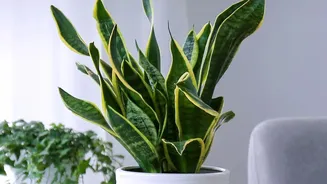
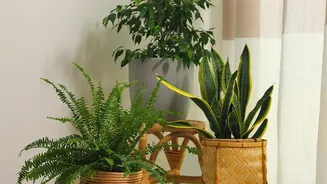
The Snake Plant (Sansevieria trifasciata) is the ultimate survivor. Its upright, architectural leaves make a statement without taking up much horizontal space. It thrives on neglect, tolerates low light, and requires watering only once every few weeks. Similarly, the ZZ Plant (Zamioculcas zamiifolia) is famously durable, with glossy, dark green leaves. It stores water in its roots, making it extremely drought-tolerant and perfect for the busy or forgetful plant owner. Both were included in the original NASA research for their air-filtering properties.
Pothos and Spider Plant
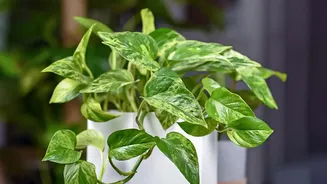
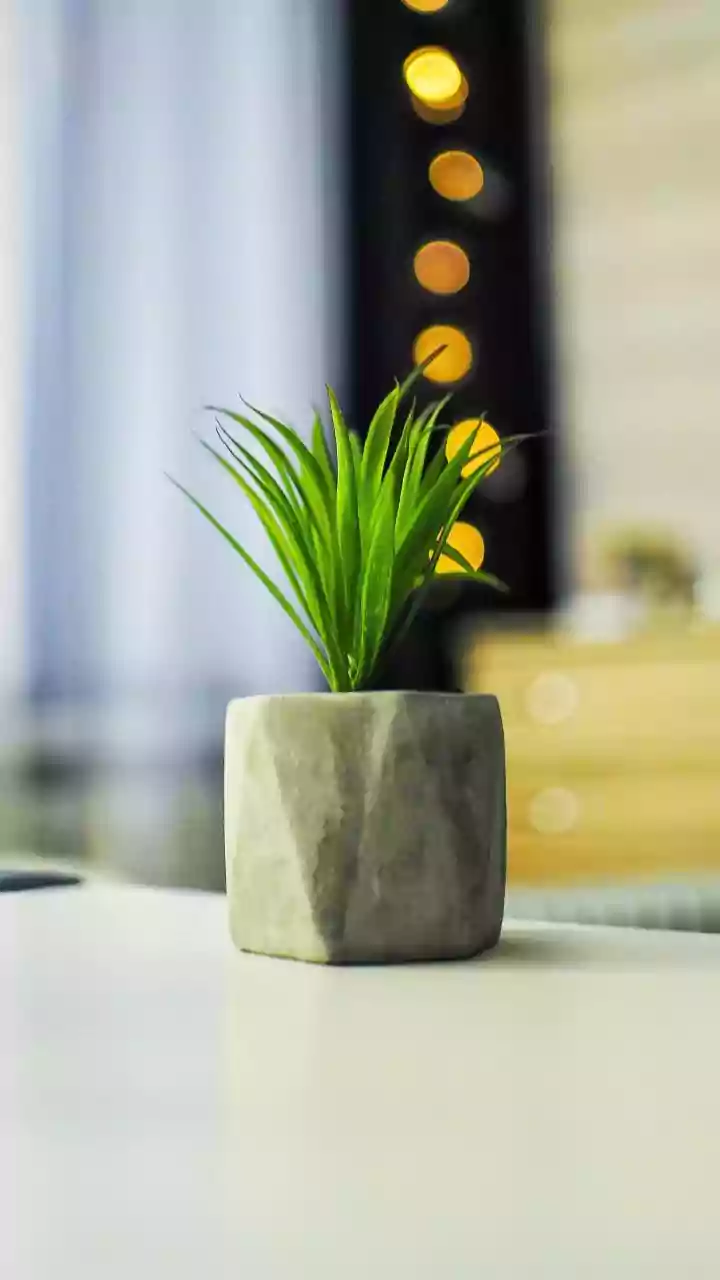
If you'd like a bit of a trailing effect, the Golden Pothos (Epipremnum aureum) is an excellent choice. It's incredibly easy to care for and will happily grow in low light, its heart-shaped leaves cascading over the side of your desk. The Spider Plant (Chlorophytum comosum) is another classic for a reason. It's adaptable, resilient, and produces small 'spiderettes' that can be easily propagated into new plants. Both are known for being efficient at processing airborne compounds in lab settings.