




The Myth of the Universal Method
Many of us grew up with a single, handed-down rule for cooking rice, often involving a specific water-to-rice ratio or a particular number of whistles on the pressure cooker. While these methods work for a specific type of rice, they fail spectacularly
when applied to others. The reason lies in the vast diversity of rice grown across India. Factors like grain length, starch content, age, and whether the rice is polished or parboiled drastically change how it absorbs water and heat. A method that makes Basmati fluffy and separate will turn a sticky Ambemohar into a paste. Understanding the character of your chosen rice is the first and most important step to culinary success. Instead of a one-size-fits-all approach, think of it as learning the personality of each grain.
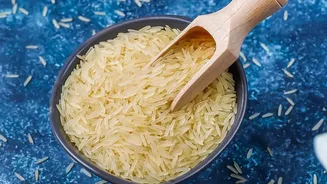
Basmati: The Aromatic Long-Grain
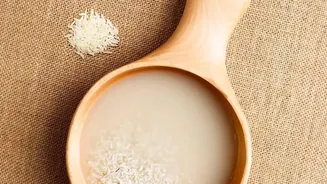
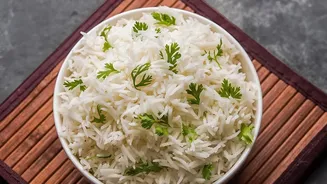
Prized for its fragrance and slender, separate grains, Basmati is the star of biryanis and pulaos. Its elegance, however, is delicate. The biggest mistake is using too much water, which leads to mushy, broken grains. For perfect, fluffy Basmati, the key is the water ratio. A widely accepted starting point is 1 cup of rice to 1.5 cups of water for the stovetop absorption method. Rinsing the rice until the water runs clear is crucial to remove excess surface starch that causes stickiness. Soaking for 20-30 minutes helps the grains cook evenly, but if you do, slightly reduce the water. After cooking, let it rest, covered and off the heat, for about 5-10 minutes. This allows the moisture to distribute evenly. Finally, fluff gently with a fork, not a spoon, to keep those beautiful long grains intact.
Sona Masuri: The Everyday All-Rounder
Sona Masuri, a medium-grain rice popular in South India, is a versatile workhorse for daily meals. It’s lighter and less starchy than some other varieties. However, getting the texture right can be tricky; it can easily become too soft or sticky. For fluffy, separate grains ideal for curries, a water ratio of 1 cup of rice to 2 or 2.5 cups of water is often recommended for stovetop or pressure cooker methods. Rinsing it three to five times is essential to get rid of the cloudy starch. In an Instant Pot or pressure cooker, a 5-minute cook time followed by a 10-minute natural pressure release typically yields great results. For dishes like curd rice where a softer texture is desired, you can increase the water to 2.5 or 3 cups.
Kerala Matta: The Robust Red Rice
With its distinctive reddish hue and bold, earthy flavour, Kerala Matta (or Rosematta) rice is a nutritional powerhouse. This parboiled rice has a much firmer texture and requires a different approach entirely. Under-cooking is a common issue, resulting in tough, chewy grains. The secret is ample water and sufficient cooking time. Soaking the rice for at least 30 minutes to an hour is highly recommended to soften the outer bran layer. For pressure cooking, a generous water ratio is needed, often around 1 cup of rice to 4 or 5 cups of water. It needs more time under pressure than white rice, typically for 4-5 whistles, followed by a natural pressure release to ensure the grains are tender all the way through.
Aromatic Short Grains: Joha and Ambemohar
Beyond the common varieties, India boasts incredible regional aromatic rice like Joha from Assam and Ambemohar from Maharashtra. Joha is known for its delicate aroma and is often used in pulaos and the traditional Assamese kheer, or payokh. Ambemohar, whose name translates to 'mango blossom,' has a beautiful fragrance when cooked and tends to become soft and sticky, making it perfect for comforting dishes like Varan Bhaat. Because these grains are starchy and clump together, they are not meant to be fluffy like Basmati. For Ambemohar, a ratio of 1 cup of rice to 3 cups of water is sometimes used for a soft, traditional texture. With these fragrant varieties, it is often advised not to wash them excessively to preserve their signature aroma.