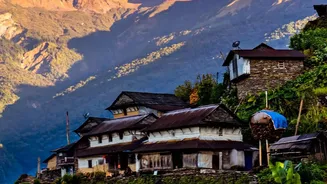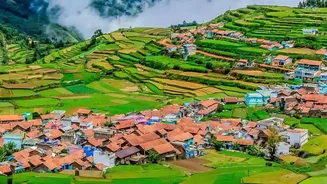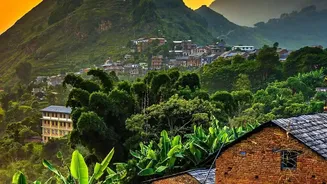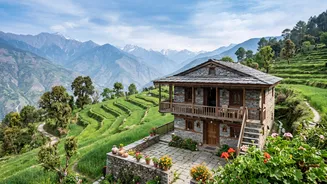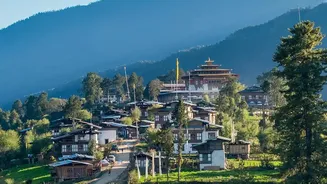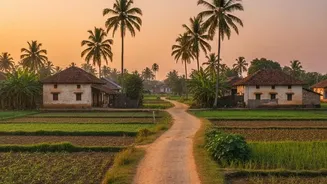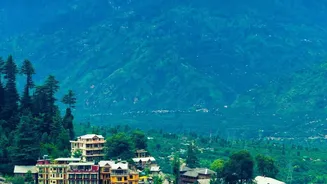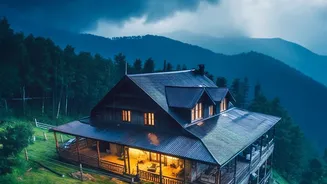








When planning a getaway to the hills, the choice of where to stay can define the entire trip. While hotels promise convenience, a growing number of travellers are discovering that the true soul of a place is found in its village homestays.
Beyond the Impersonal Check-In
The experience
of arriving at a commercial hotel is familiar to most: a formal welcome at a front desk, a transaction of keys and IDs, and an anonymous corridor leading to a standardized room. It is efficient but often impersonal. In contrast, a village homestay replaces the front desk with a front door. The welcome comes not from a uniformed staff member, but from the host family themselves. This immediately shifts the dynamic from a commercial transaction to that of being a guest in someone's home. The hospitality is not scripted; it is genuine and personal, creating an instant sense of belonging that a hotel lobby rarely can. This initial interaction sets the tone for a stay that is rooted in human connection rather than operational procedure.
The Authentic Taste of a Region
One of the most significant differences lies in the dining experience. Hill station hotels often feature multi-cuisine buffets designed to cater to a wide, generic palate. While convenient, the food can feel standardized and disconnected from the local culture. Homestays, however, offer a culinary journey into the heart of the region. Meals are typically home-cooked by the hosts, often using family recipes passed down through generations and fresh ingredients sourced from their own gardens or local markets. Imagine savouring a traditional Garhwali thali in Uttarakhand or authentic Kodava dishes in Coorg, all while your host shares stories about the food's origins. This is more than just a meal; it is a delicious, intimate form of cultural immersion.
Guidance from a Local, Not a Guidebook
While a hotel concierge can provide maps and book popular tours, the guidance from a homestay host is deeply personal and authentic. They are not just providing information; they are sharing their home and their world. Hosts can offer insider tips on hidden waterfalls, serene viewpoints unknown to most tourists, and the best local artisan shops. They can tell you which trail offers the best sunrise view because they walk it themselves. This local knowledge transforms a trip from a sightseeing checklist into a series of unique discoveries. Conversations over a cup of tea can lead to more meaningful experiences than any brochure could ever promise, allowing travellers to connect with the destination on a much deeper level.
A Bridge to Local Life
Perhaps the greatest warmth comes from the cultural exchange that homestays facilitate. By staying with a local family, you are not just a tourist observing from the outside; you become a temporary part of the community's fabric. You might learn about local festivals, witness daily rituals, or even participate in simple family activities. This immersion provides a perspective that is impossible to gain from a hotel room. It fosters a genuine understanding of the local way of life, from the importance of family in Indian culture to the specific traditions of that particular village. It's an experience that is enriching, educational, and profoundly human.
A Different Definition of Comfort
To be clear, commercial hotels offer a reliable and often luxurious form of comfort with amenities like 24-hour room service, swimming pools, and daily housekeeping. Homestays operate on a different, more personal definition of comfort. The luxury here is not in the thread count of the sheets, but in the authenticity of the experience. It is the comfort of a quiet, home-like environment, the warmth of a shared story, and the peace of mind that comes from knowing your travel is directly supporting a local family and community. While some may miss the formal services of a hotel, many find that the heartfelt hospitality and unique character of a village homestay provide a richer, more memorable form of comfort.