




The Stage is Set: A Historic Tour
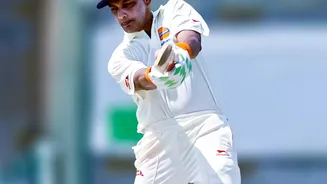
In 2004, India embarked on a landmark tour of Pakistan, their first in 15 years, carrying immense political and sporting weight. The first Test in Multan saw India dominate from the outset. Virender Sehwag became the first Indian to score a triple-century
in Test cricket, a blistering 309 that pulverised the Pakistani attack and put the visitors in a commanding position. With regular captain Sourav Ganguly sidelined with an injury, Rahul Dravid was at the helm. As India's score piled up past 600, another milestone seemed inevitable: a double-century for Sachin Tendulkar.
The Declaration That Shocked a Nation
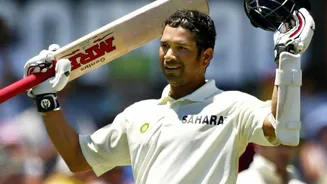
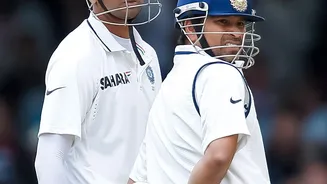
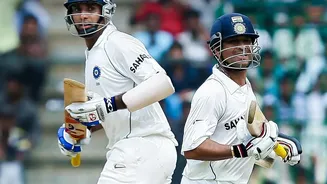
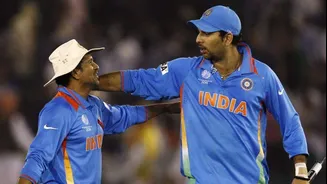
On Day 2, with India's score at a colossal 675 for 5, the unthinkable happened. Tendulkar was batting flawlessly on 194, with Yuvraj Singh at the other end. Suddenly, Dravid signalled the declaration from the dressing room. Tendulkar and the millions watching were stunned. He was left stranded, just six runs shy of his fourth Test double-century. The walk back to the pavilion was a picture of visible disappointment, sparking a controversy that divides fans to this day.
A Captain's Cold Calculation
From Rahul Dravid's perspective, the decision was purely tactical. He was acting on a pre-decided plan to give his bowlers a specific number of overs—around 15—to attack the Pakistan batsmen before the close of play. The team's leadership, including coach John Wright, had agreed on this strategy during the tea break. Messages had been sent to Tendulkar to accelerate his scoring. When Yuvraj Singh was dismissed, Dravid, sticking rigidly to the plan, called the innings to a close. His rationale was simple and unwavering: the team's objective of winning the Test match overrode any individual milestone. For Dravid, it was about making a statement of intent.
A Master Blaster's Disappointment
Sachin Tendulkar's reaction, detailed in his autobiography 'Playing It My Way', was one of shock and hurt. He wrote that he was assured he would have time to complete his double-century as part of the team plan discussed at tea. He felt the declaration 'did not make any sense' on just the second day of the match and that he was not given a fair chance, especially since he didn't get to face a single ball in the final over before the call was made. In the dressing room, he told Dravid he was upset and needed to be left alone to process the decision. While he assured his captain it wouldn't affect his performance on the field, the off-field disappointment was palpable.
Fallout in the Dressing Room
The decision created an immediate and awkward tension. Teammate Aakash Chopra recalled never having seen Tendulkar so visibly unhappy. Coach John Wright, in his own book, admitted there was 'a fair bit of fallout' and that he should have perhaps handled the communication better. He later apologised to Sachin for the incident. Even Sourav Ganguly, who wasn't playing, expressed his regret over what had happened. Dravid, however, stood by his call, maintaining it was made in the best interests of the team. The differing perspectives highlighted a classic conflict between a captain's authority and a player's personal landmark.
A Debate That Endures
India went on to win the Test match by a massive margin—an innings and 52 runs— seemingly vindicating Dravid's aggressive strategy. However, the 'what if' has lingered for decades. The incident became a defining, if complicated, moment in the legacies of two of India's greatest cricketers. It is often cited in discussions about the 'team-first' ethos versus the celebration of individual genius. While the two legends maintained their friendship and on-field camaraderie, the Multan declaration remains a hot-button topic, forever illustrating the immense pressures and complex decisions that define leadership in the high-stakes world of international cricket.