





A Health-Conscious Makeover
The shift towards millet-based brownies is part of a larger culinary movement embracing healthier, more nutrient-dense ingredients without sacrificing taste. For years, refined white flour, or maida, has been a staple in bakeries. However, during the
refining process, grains are stripped of their fiber, vitamins, and minerals, leaving mostly starch that can cause sharp spikes in blood sugar. In response, chefs and health-conscious consumers are seeking alternatives that offer more nutritional value. Millets, which have been a dietary staple in India for centuries, are now being recognized for their potential in modern baking. This trend is not about restriction but about enhancement, upgrading a classic treat into something that is both delicious and beneficial.
What Exactly Are Millets?
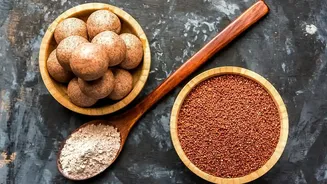
Millets are a group of small-seeded grasses that have been cultivated for thousands of years. In India, they are celebrated ancient grains and include varieties like finger millet (ragi), pearl millet (bajra), foxtail millet (kangni), and sorghum (jowar). Unlike wheat, these grains are naturally gluten-free. They are also incredibly resilient crops, requiring less water and fewer pesticides, making them a sustainable choice. Long considered humble food, millets are now experiencing a renaissance, celebrated for their versatility and robust nutritional profile.
The Nutritional Advantage
When comparing millets to refined flour, the health benefits are clear. Millets are packed with dietary fiber, which aids digestion and promotes a feeling of fullness. They are also a richer source of essential minerals like iron, calcium, magnesium, and phosphorus. For instance, ragi is one of the best vegetarian sources of calcium, containing almost ten times more than wheat. Furthermore, millets are high in protein and have a lower glycemic index, meaning they release energy more slowly and help in better blood sugar management, making them a smarter choice for sustained energy.
But How Do They Taste?
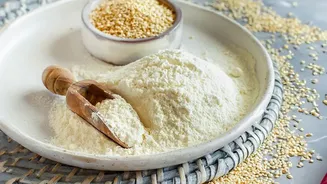
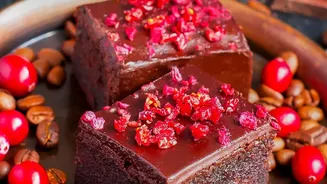
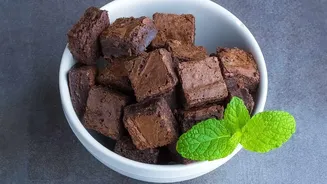
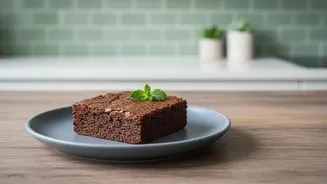
For any dessert, the ultimate test is flavour and texture. Millet flours bring a unique character to brownies. They often have a mild, slightly nutty, and earthy flavour that beautifully complements the deep notes of chocolate. Depending on the type of millet used, from foxtail to pearl millet, the taste profile can vary. In terms of texture, millet flour can create an incredibly dense, moist, and fudgy brownie, which many enthusiasts prefer. While it's not always a one-to-one substitute for white flour due to its high fiber content and liquid absorption, chefs have perfected blends that yield a tender, satisfying crumb.
More Than Just a Trend
The embrace of millet brownies by pastry chefs and home bakers signifies a growing appreciation for desserts that are both indulgent and mindful. It reflects a desire to connect with traditional ingredients in new and exciting ways. From high-end bakeries to local cafes, these nutrient-dense treats are appearing on menus, offering a guilt-free option that doesn't feel like a compromise. This move isn't just about making brownies healthier; it's about celebrating the rich diversity of grains and proving that wholesome ingredients can create truly exceptional desserts.