






The Secret to Silky Gravies
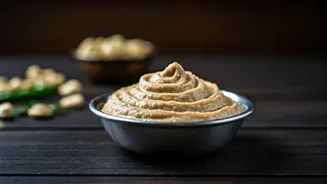
At its core, cashew paste is simply raw cashew nuts blended with a little water until a smooth, thick cream is formed. This unassuming paste is a cornerstone of many classic Indian dishes, particularly in North Indian and Mughlai cuisine. Its primary
role is to impart a remarkable creaminess and body to gravies without necessarily relying on dairy. Unlike dairy cream, which can sometimes split under high heat or curdle with acidic ingredients like tomatoes, cashew paste is more stable. It seamlessly integrates into sauces, creating a velvety consistency that defines dishes like Korma and Shahi Paneer.
More Than Just a Thickener
While it's a brilliant thickener, cashew paste does more than just alter texture. It adds a subtle, underlying sweetness and a mild, nutty richness that is hard to replicate. This inherent sweetness is crucial for balancing the complex layers of spices found in Indian cooking. In a fiery curry, the cashew paste can temper the heat, and in a tangy, tomato-based gravy, it can round out the acidity, creating a more harmonious and balanced flavour profile. It provides a depth of flavour that feels indulgent and complex, elevating a simple curry into something truly special.
A Royal Legacy in Your Kitchen
The use of nuts in gravies has its roots in the opulent kitchens of the Mughal Empire. Mughlai cuisine, known for its rich and aromatic dishes, often combines Indian spices with Persian cooking styles, which included the use of dried fruits and nuts. Cashews, originally brought to India by the Portuguese in the 16th century, were perfectly suited for this style of cooking. They were readily adopted to create the lavish, creamy sauces that were served to royalty. This history is why so many dishes with the prefix 'Shahi' (meaning royal) feature a cashew or almond-based gravy, signifying a dish fit for a king.
Mastering the Perfect Paste
Making cashew paste at home is surprisingly simple and far more economical than buying pre-made versions. The key to a perfectly smooth paste is to soak the raw cashews in warm or hot water for at least 30 minutes, though a few hours is even better. This soaking process softens the nuts, allowing them to break down completely in a blender. After soaking, drain the nuts and transfer them to a high-powered blender. Add a small amount of fresh water and blend until a completely smooth, grain-free paste is formed. If the paste is too thick, add water one tablespoon at a time until you reach a yoghurt-like consistency. For an even richer flavour, some recipes call for blending soaked cashews with milk instead of water. This homemade paste can be stored in the fridge for 4-6 days or frozen for several months.
Dishes That Shine With Cashew
Once you have your paste, a world of rich curries opens up. It is the indispensable foundation for Mughlai dishes like Chicken Korma, where it creates a mild, fragrant, and creamy sauce. In vegetarian cooking, it's the star of Navratan Korma (a nine-gem vegetable curry) and Malai Kofta, giving the gravy its signature richness. It’s also the secret behind many restaurant-style Paneer Butter Masala and Shahi Paneer recipes, providing a dairy-free creaminess that complements the soft cheese perfectly. Even in South Indian and Sri Lankan cuisine, cashew is celebrated in dishes like Kaju Maluwa, a curry where whole or broken cashews are simmered in a creamy, spiced sauce.