


The Changing Face of the Indian Diet
A quiet transformation is taking place in kitchens across the country. Economic growth and rapid urbanization are reshaping what Indians eat, a phenomenon known as the 'nutrition transition'. As incomes rise, so does the ability to purchase a wider variety
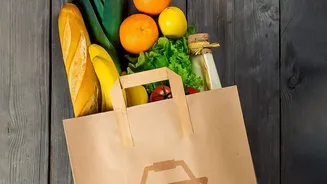
of foods. This includes more fruits, vegetables, dairy products, and animal proteins. This dietary diversification is also influenced by changing lifestyles; long commutes and busy work schedules in cities have increased the demand for convenient, processed, and ready-to-eat meals. This shift means that for a growing segment of the population, diets are no longer limited to just local and seasonal produce, with global food trends making their mark on the urban Indian consumer.
The Bedrock of Nutrition: Everyday Staples
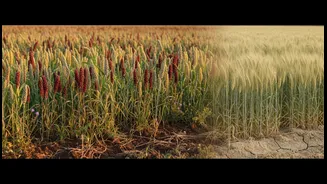
Despite these changes, the foundation of the Indian diet remains firmly rooted in traditional staple foods. For the vast majority of the population, cereals like rice and wheat, along with a variety of pulses (dals), form the core of daily meals. These foods are the primary source of calories and protein for millions. Their importance cannot be overstated; they are affordable, widely available, and suited to local farming conditions, playing a crucial role in national food security. Regional variations are significant, with rice dominating in the South and East, while wheat is the staple in the North and West. These grains and pulses are not just fillers; they are the vehicle for a balanced meal, typically consumed with vegetables and other accompaniments that add essential micronutrients.
The Persistent Nutrition Gap
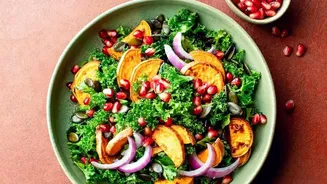
Dietary diversification does not automatically translate to better health. India currently faces a 'double burden' of malnutrition, where the problems of undernutrition, like stunting, coexist with a rising tide of overnutrition, such as obesity. While recent data from the National Family Health Survey (NFHS-6) shows a welcome reduction in child stunting, it also highlights concerns about poor dietary diversity. The consumption of nutrient-rich foods like fruits, vegetables, and pulses is still low for many, while the intake of processed foods high in sugar, salt, and fat is on the rise. This paradox means that even as some diets become more varied, they may also become less healthy, contributing to an increase in non-communicable diseases like diabetes and hypertension.
Affordability Remains the Deciding Factor
Ultimately, for a large portion of the Indian population, the primary driver of food choice is not preference, but price. A nutritious diet, rich in fruits, vegetables, and lean proteins, remains unaffordable for a significant number of households, particularly in rural areas. Studies have shown that a recommended balanced diet could consume a majority of the daily wages of an unskilled labourer, making it an out-of-reach luxury. Even with rising wages over the past decade, the absolute cost of nutritious food has also increased, keeping it inaccessible for the rural poor. This economic reality forces a reliance on cheaper, energy-dense staples, often at the expense of vital micronutrients, perpetuating a cycle of poor nutrition despite the availability of more diverse options in the market.