





The Plastic Problem in Every Order
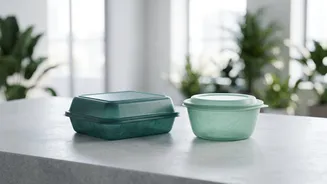
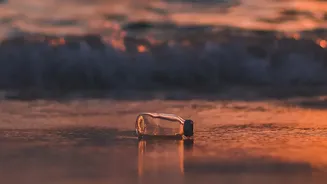
India generates millions of tonnes of plastic waste annually, and the booming food delivery and e-commerce sectors are significant contributors. Every meal delivered in a plastic container, every item wrapped in plastic film, adds to a colossal environmental
challenge. These plastics can take centuries to break down, clogging landfills, polluting oceans, and threatening ecosystems. While the government has implemented bans on certain single-use plastics to curb this issue, the search for viable, scalable alternatives remains a critical national priority. Traditional options have their own drawbacks, but a new contender is emerging from an unlikely source.
An Ocean-Born Solution
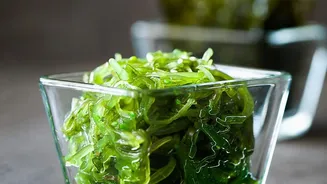
Seaweed, or marine algae, is now at the forefront of a packaging revolution. Unlike land-based crops, seaweed requires no freshwater, fertilisers, or arable land to grow. In fact, its cultivation can be restorative, absorbing carbon dioxide and purifying ocean ecosystems. The magic lies in its natural polymers—compounds like agar and alginate—which can be extracted and transformed into materials that mimic the properties of plastic. The result is a range of films, coatings, and even moulded containers that are not only functional but also completely biodegradable and home-compostable, breaking down in weeks without leaving harmful microplastics behind.
Meet India's Seaweed Innovators
Several Indian startups are leading this charge. Pune-based Zerocircle, founded by Neha Jain, has gained international recognition for transforming locally farmed seaweed into plastic-free packaging. Their products include flexible films and grease-resistant coatings for paper-based containers. The company has already partnered with major food delivery platforms like Swiggy and Zomato to pilot and roll out its sustainable solutions, proving their viability at scale. Another key player is Bengaluru's Sea6 Energy, which is developing its own line of seaweed-based bioplastics, including compostable films, heat-sealable coatings for paper products, and even straws that don't get soggy. These companies often work directly with coastal farming communities in states like Gujarat and Tamil Nadu, ensuring that this green innovation also supports local livelihoods.
How It Works: From Algae to Packaging
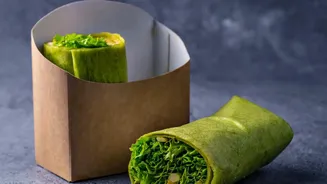
The process begins with harvesting seaweed, which is then dried and processed to extract its valuable biopolymers. This gelatinous substance becomes the base material. It can be mixed with natural plasticisers and engineered to create materials with different properties, such as water-resistance or flexibility. One of the key advantages is that these new materials can often be used with existing plastic and paper manufacturing machinery, reducing the need for massive capital investment and allowing brands to transition more smoothly. Zerocircle, for instance, has developed seaweed-based paper and coatings that can replace the plastic linings in typical takeaway boxes, making the entire package compostable.
The Hurdles to Mass Adoption
Despite its immense promise, the path to replacing conventional plastic is not without challenges. The primary hurdle is cost. Currently, bioplastics, including those made from seaweed, can be significantly more expensive than their petroleum-based counterparts. While companies like Zerocircle expect to reduce costs as they scale, the price difference remains a barrier for many small businesses. Furthermore, scaling up production to meet the enormous demand of the Indian market requires significant investment in farming, harvesting, and processing infrastructure. There is also the challenge of consumer awareness and ensuring proper disposal, as these materials need to end up in compost environments, not recycling bins, to break down as intended.