



Festive seasons are for connection, not consumption. Move beyond generic, plastic-wrapped gifts and create something truly special: a curated, plastic-free hamper that shows you care for the recipient and the planet. Here’s how.
Start with a Sustainable Base
The foundation of your
hamper sets the tone. Instead of a cellophane-wrapped basket, think reusable and rustic. Woven cane or bamboo baskets are a classic choice and can be repurposed for home storage. Jute bags, available in various sizes and colours, offer a stylish and durable alternative that the recipient can use for shopping later. For a more modern or industrial aesthetic, consider a handsome wooden crate, a vintage-style tin, or even a large ceramic planter that can house a plant. These options are not just containers; they are part of the gift itself, adding value and ensuring nothing goes to waste. The key is to choose something sturdy enough to hold your goodies and beautiful enough to be used long after the treats are gone.
Fill with Artisanal Delights
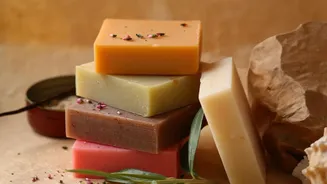
This is where you can truly personalise the hamper. Skip mass-produced sweets and support local, small-batch producers. India has a burgeoning artisanal food scene offering everything from single-origin coffees and specialty teas to gourmet pickles, preserves, and handcrafted chocolates. Look for brands that prioritise plastic-free packaging, often using glass jars, paper pouches, or compostable materials. Consider items like jars of raw honey, infused oils, small-batch granola, or traditional Indian sweets from a local halwai that uses paper boxes. Many organic stores and farmers' markets are treasure troves for such products. By choosing these treats, you are not only providing a delicious experience but also supporting small businesses and sustainable practices.
Add a Touch of Living Green
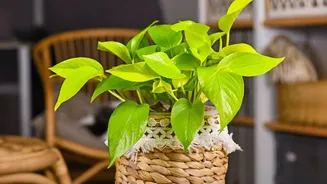
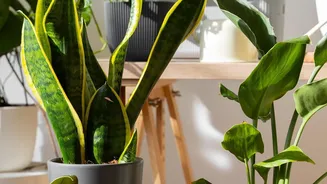
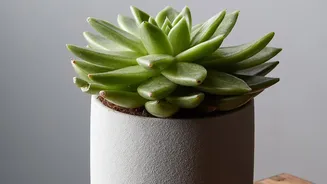
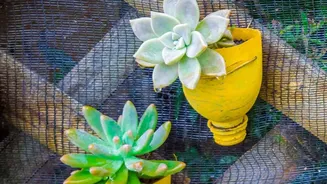
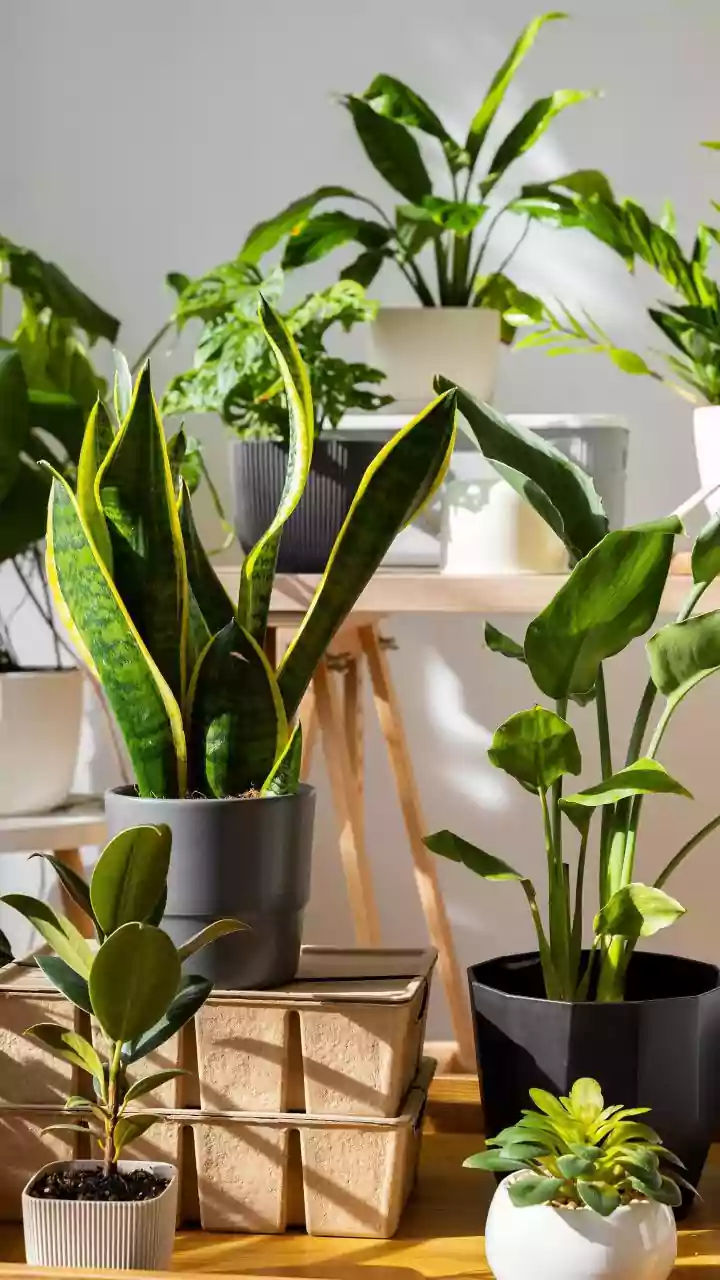
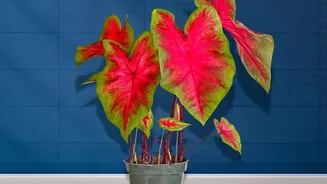
An indoor plant transforms the hamper from a collection of consumables into a lasting gift that grows. A plant symbolises life, prosperity, and care. Choose a hardy, low-maintenance plant that is suitable for beginners. Snake plants, ZZ plants, and money plants (Pothos) are excellent choices as they are known for their air-purifying qualities and resilience. Succulents like Jade plants, which are considered lucky, are also great, compact options. Ensure the plant is in a non-plastic pot; terracotta, ceramic, or even a stylish metal planter are all beautiful and sustainable choices. This green addition brings a touch of nature indoors and serves as a living reminder of your thoughtful gift.
Choose Thoughtful Fillers and Wraps
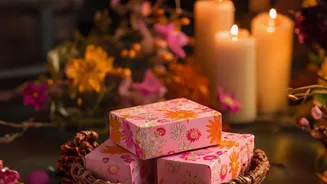
Now, it's time to assemble your hamper securely and beautifully without resorting to plastic fillers. Instead of bubble wrap or plastic shreds, use natural materials to cushion the items. Crinkled or shredded kraft paper, dried leaves, wood shavings, or even clean hay can provide excellent padding with a rustic-chic look. You can also use functional items as fillers, such as colourful cloth napkins, a handwoven tea towel, or a beautiful scarf. For the final wrap, ditch the cellophane. Consider the Japanese art of Furoshiki, which uses a square piece of fabric to wrap gifts. A pretty cotton scarf or a khadi dupatta can serve as a stunning and reusable gift wrap. Alternatively, you can leave a beautiful basket unwrapped, simply tied with a jute or cloth ribbon.
Arrange with Care and Style
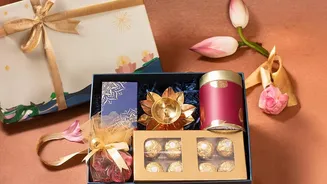
The final step is arranging all the elements into a visually appealing composition. Start by creating a soft bed with your chosen filler material at the bottom of the basket. Place the tallest and heaviest items, like the plant or a large jar, at the back or in the centre to create an anchor. Arrange the mid-sized items around it, ensuring they are stable. Fill any gaps with the smaller treats like chocolate bars or small pouches. Think about colours and textures, placing contrasting items next to each other. The goal is to create a sense of abundance and discovery. Tuck a handwritten note on recycled paper or a plantable seed-paper tag to add a final personal touch.