





From Competitor to Collaborator
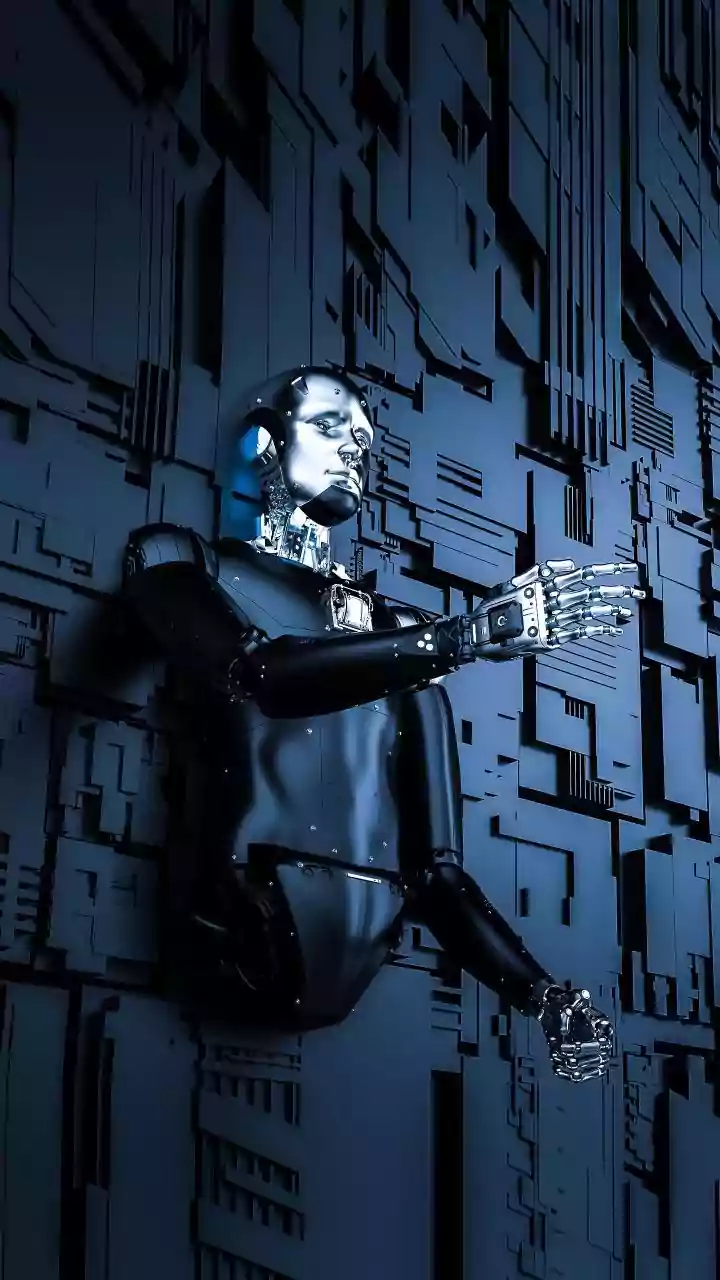
The initial fear surrounding generative AI was that it would automate creativity, making writers, designers, and artists obsolete. Early evidence, however, suggests a more complex and collaborative future. Instead of replacing human talent, AI is becoming
a powerful assistant. It can generate dozens of concepts in seconds, handle repetitive tasks like resizing images, and analyze data to suggest campaign strategies. This frees up human professionals to focus less on tedious execution and more on the bigger picture. The conversation is shifting from fearing replacement to mastering collaboration. A 2024 study even found that when AI provided a wide range of ideas—including bad ones—it helped human designers break free from their initial assumptions and produce more creative work. The real challenge isn't competing with AI, but learning how to direct it.
The Irreplaceable Value of 'Soft' Skills
As AI handles more technical and data-driven tasks, uniquely human abilities are becoming more critical. Experts consistently point to a suite of 'soft' or 'durable' skills that AI cannot replicate. At the top of this list are emotional intelligence and empathy—the ability to understand, interpret, and respond to human emotions. These skills are fundamental for building relationships with clients, leading teams, and navigating workplace changes. AI can process data, but it can't replicate the trust and connection forged through genuine human interaction. Similarly, ethical judgement and moral reasoning remain firmly in the human domain. AI operates on data and algorithms, not a conscience or a set of values, making human oversight essential for any decision with ethical implications.
Higher-Order Thinking Takes Centre Stage
According to the World Economic Forum, analytical and creative thinking are among the most crucial skills for the coming decade. As AI becomes a source for answers, the ability to ask the right questions and think critically about the output is more valuable than ever. This involves challenging assumptions, recognising biases in AI-generated content, and making sound judgments in ambiguous situations where there is no clear right or wrong answer. While an AI can generate a thousand ideas, it lacks the human capacity for true vision, strategic intent, and the lived experience necessary to decide which problem is worth solving. This positions the human creator as a creative director, guiding AI tools toward a goal they have defined.
The New Core Competencies for 2030
Looking toward the end of the decade, several key competencies emerge as vital for any professional, especially in creative fields. Adaptability and a commitment to lifelong learning are paramount. With estimates suggesting that nearly 40% of core skills will be disrupted by 2030, the ability to learn and unlearn will be a professional's greatest asset. Alongside this is AI literacy—not necessarily coding, but understanding how to effectively use AI tools, write good prompts, and evaluate their output. Leadership and social influence also grow in importance; guiding teams through technological change requires a distinctly human touch. Finally, creative thinking itself remains a top-tier skill, not in opposition to AI, but in synergy with it. The future belongs to those who can blend these human-centric skills with technological fluency.