
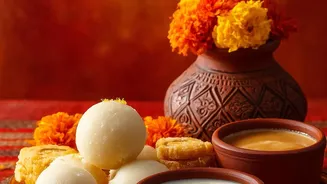

An Offering Fit for a Goddess
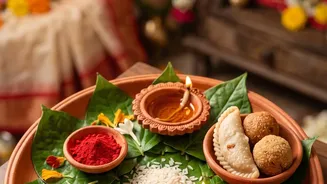
At the heart of Durga Puja is the act of 'bhog' – a food offering made to the Goddess Durga before it is distributed among devotees. This sacred meal, traditionally vegetarian, is considered incomplete without a sweet dish. Sweets are seen as symbols
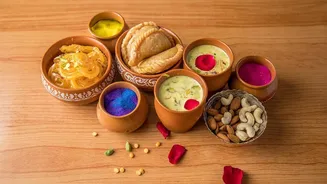
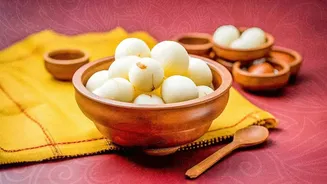
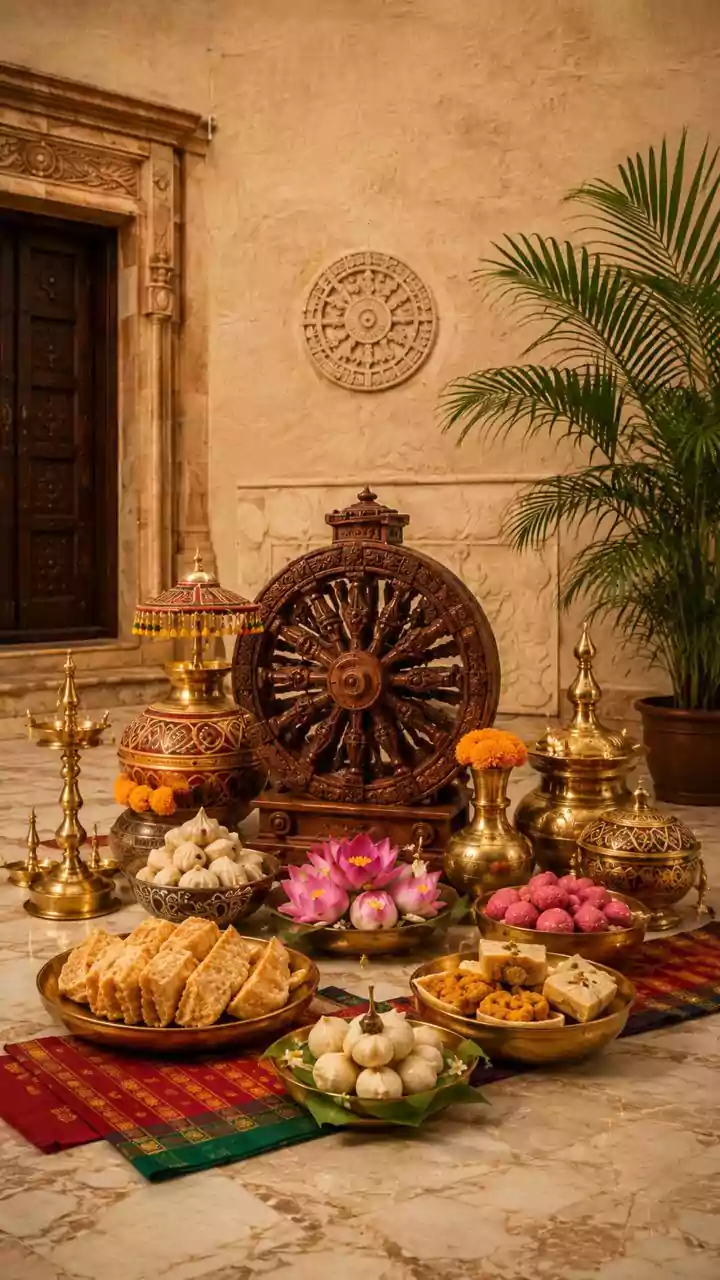
of purity, devotion, and gratitude. It is believed that presenting the deity with delicious sweets is a way of pleasing her and seeking her blessings for prosperity and happiness. Popular offerings include classics like the soft, syrupy Rosogolla, considered pure and ideal for prasad, and Payesh, a fragrant rice pudding. This act of offering consecrates the food, turning a simple sweet into a blessed 'prasad' that connects devotees to the divine.
The Sweet Language of Hospitality
In Bengali culture, 'mishti' is a language of love, welcome, and celebration. Throughout Durga Puja, visiting friends and family with a box of sweets is a cherished tradition. Offering a sweet to a guest is a fundamental gesture of hospitality and warmth. This is especially true after the immersion of the idol on Bijoya Dashami, the final day of the festival. Families visit each other's homes to exchange greetings, and the phrase 'Bijoyar mishtimukh'—sweetening the mouth for Bijoya—is enacted literally. Sharing Sandesh, Rosogolla, or homemade Narkel Naru (coconut ladoos) signifies the spreading of joy and goodwill, strengthening community bonds.
A Taste of Joy and Togetherness
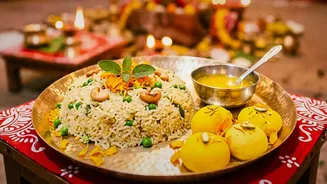
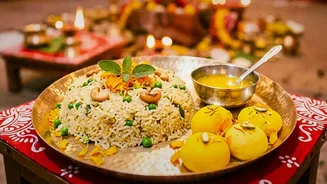
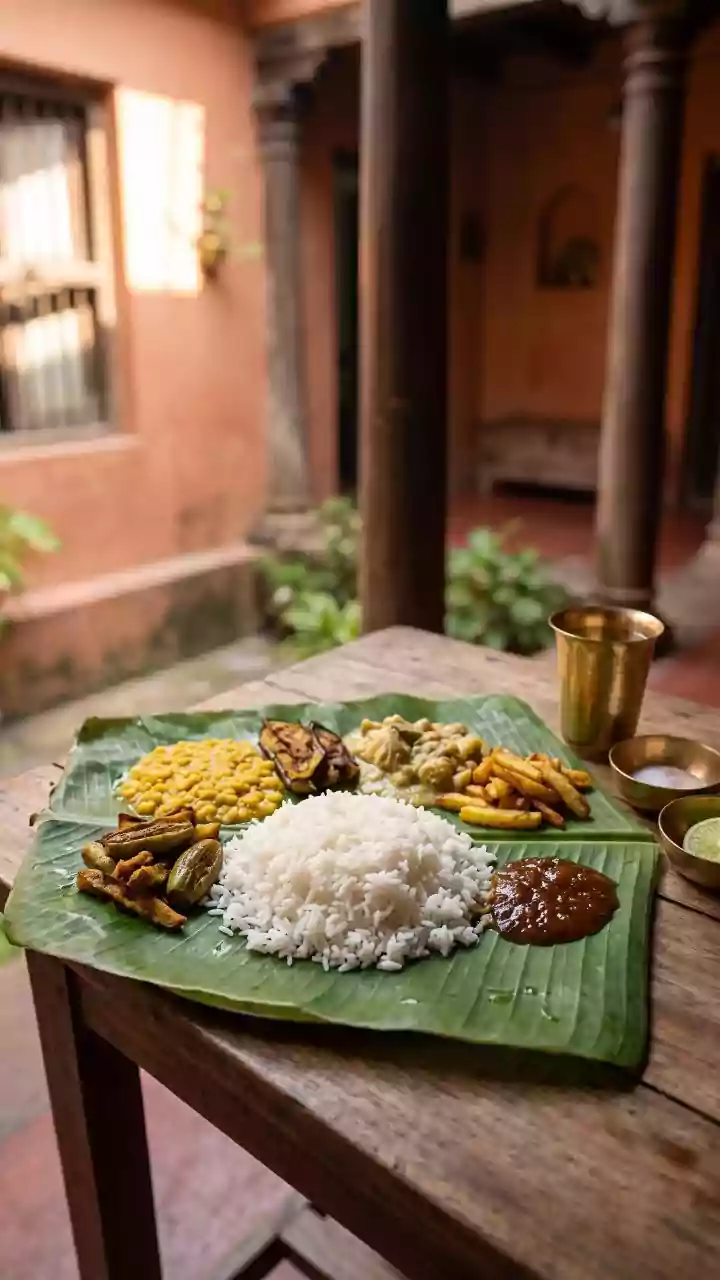
The community feasts organised at pandals are a cornerstone of Durga Puja, bringing people from all walks of life together. These free meals, much like a langar, serve a dual purpose: an offering to the goddess and a service to the community. While savoury dishes like Khichuri and Labra (a mixed vegetable dish) are staples, the meal almost always concludes with something sweet, like Mishti Doi (sweet yogurt) or Payesh. This shared culinary experience fosters a sense of unity and collective celebration. The act of eating together, ending on a sweet note, reinforces the festive spirit and the idea of shared happiness.
The Pantheon of Puja Sweets
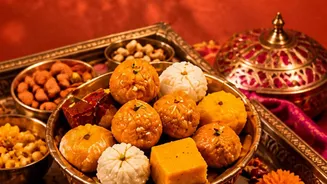
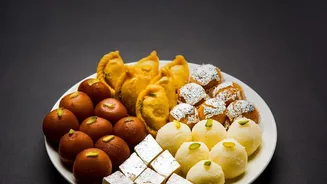
The variety of sweets enjoyed during Durga Puja is vast, with each sweet holding a special place. Some are lovingly prepared at home, while others are sourced from legendary sweet shops. Rosogolla, the iconic spongy cheese balls soaked in syrup, is perhaps the most famous. Sandesh, a delicate sweet made from fresh cottage cheese (chhena), comes in countless varieties. Narkel Naru, sweet coconut balls made with either sugar or jaggery, are a homely delight often prepared for the occasion. Mishti Doi, a caramelised, fermented sweet yogurt, provides a creamy, cooling finish to any festive meal. These sweets are not just recipes; they are carriers of heritage and emotion.
More Than Just a Final Course
For Bengalis, no special occasion or meal is truly complete without something sweet. This cultural trait is elevated during Durga Puja. Sweets are not merely an afterthought; they are woven into the very fabric of the rituals and social customs. From the 'prasad' offered to the deity to the gift exchanged between relatives and the final item on a community lunch plate, 'mishti' marks every key moment of the five-day festival. It symbolises auspicious beginnings, joyful connections, and the sweet victory of good over evil that the festival itself commemorates.