





A Landmark Directive for Passenger Safety
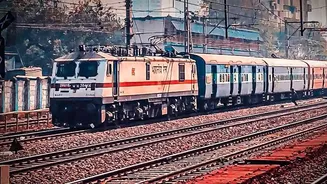
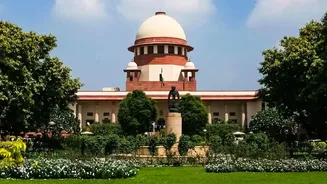
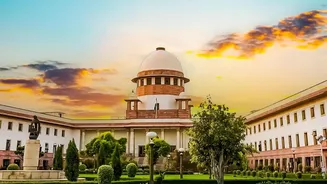
In a decision aimed at enhancing passenger welfare, the Supreme Court of India has directed Indian Railways to make travel insurance mandatory for all tickets sold at counters, effective October 27, 2026. This order closes a long-standing gap, as the insurance facility
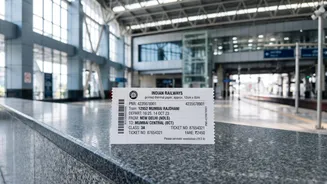
was previously available only as an optional feature for those booking e-tickets through the IRCTC website or mobile app. The move came after the court noted a lack of progress by railway authorities in devising a mechanism to cover passengers from economically weaker sections, who predominantly buy tickets offline. The court's intervention, following a petition related to the 2023 Odisha train accident, ensures that this protection is no longer a privilege for the digitally connected but a right for all passengers.
What Does the Insurance Cover?
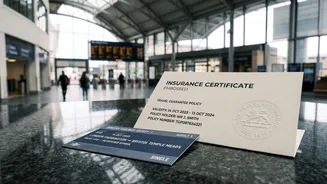
The travel insurance scheme provides substantial financial support in the event of a rail accident or other untoward incidents during the journey. While the exact premium for counter tickets is yet to be finalized, the coverage is expected to mirror what is offered to online bookers. The existing scheme provides comprehensive coverage, including Rs. 10,00,000 in the unfortunate event of death or permanent total disability. For permanent partial disability, the coverage is up to Rs. 7,50,000. Additionally, the policy includes up to Rs. 2,00,000 for hospitalization expenses due to injury and Rs. 10,000 for the transportation of mortal remains. This multi-faceted coverage ensures that passengers and their families have a financial cushion against various adversities.
Who Is Eligible for This Coverage?
The new mandate makes insurance coverage applicable to all passengers purchasing tickets at railway station counters, including those buying unreserved or general class tickets. This is a major step towards inclusivity, as it covers a vast number of daily commuters and short-distance travelers who were previously excluded. The insurance is valid only for Indian citizens. An important point to note is that children under the age of five, for whom a ticket is not mandatory, are not covered under this scheme. However, children between five and eleven years old, whether they have a reserved berth or not, are eligible for the insurance coverage.
How Will the New System Work?
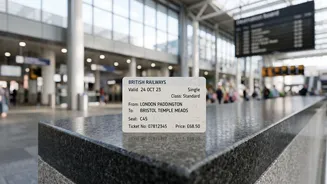
The Supreme Court has made it clear that from October 27, 2026, all tickets sold offline must include insurance, shifting it from an optional add-on to a mandatory feature for this group. The Railway Board is now tasked with implementing a mechanism to facilitate this process at counters across the country. While the premium for online tickets is a nominal 45 paise per passenger, the final cost for counter tickets is yet to be announced. For online bookings, passengers receive policy documents via email and SMS and must fill in nominee details on the insurer’s portal. A similar process will likely be established for offline tickets, though the specifics of how passengers will receive their policy information and register nominees for counter-bought tickets are still being worked out by the authorities.
The Importance of This Change
Extending travel insurance to millions of passengers who rely on counter tickets is a significant move towards equitable passenger rights and social security. It acknowledges that a large segment of the population may not have access to or be comfortable with digital booking platforms. By making insurance a default part of the ticket, the system ensures that protection isn't missed due to a lack of awareness or digital literacy. For a minuscule cost, it provides immense peace of mind and critical financial aid when it is needed most, reinforcing the principle of safety for every single traveler on the Indian Railways network. The responsibility for successful implementation now rests directly with the Railway Board, which has been instructed to ensure the directive is followed without fail.