



So, What’s the Big News?
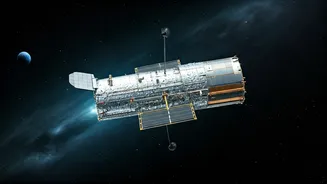
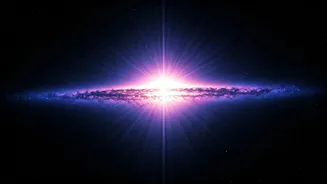
Astronomers using the Hubble Space Telescope have detected powerful ultraviolet light from a galaxy named MXDFz4.4. This isn't just any galaxy; it existed just 1.4 billion years after the Big Bang. For years, researchers believed the dense, neutral hydrogen
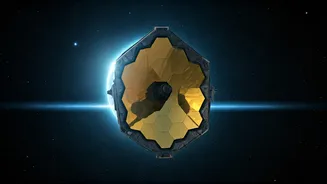
'fog' that filled the early universe would have made such a detection impossible. Yet, Hubble, in coordination with data from the James Webb Space Telescope (JWST), has pierced through that cosmic haze to give us a direct look. The light detected is a specific, high-energy type known as ionizing ultraviolet photons, which have the power to strip electrons from hydrogen atoms. This discovery is the earliest detection of its kind on record and provides a unique window into a transformative period of the universe known as the Epoch of Reionization.
Why Ultraviolet Vision Is Crucial
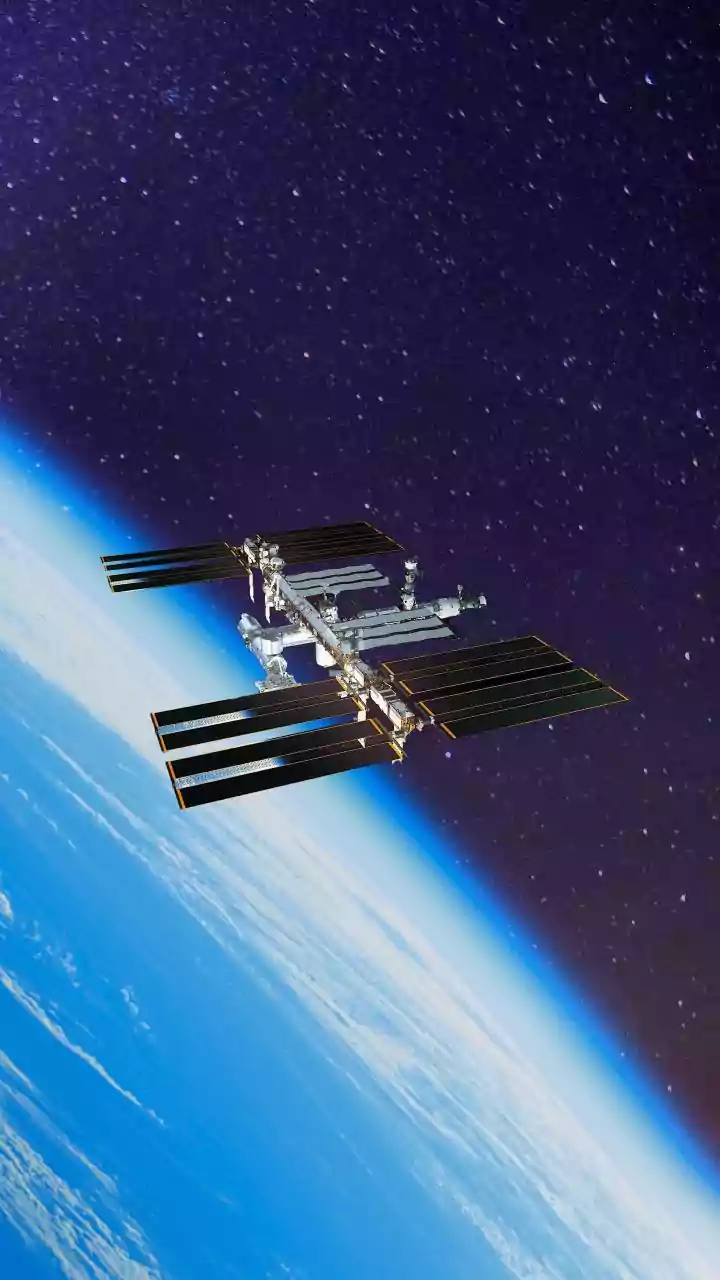
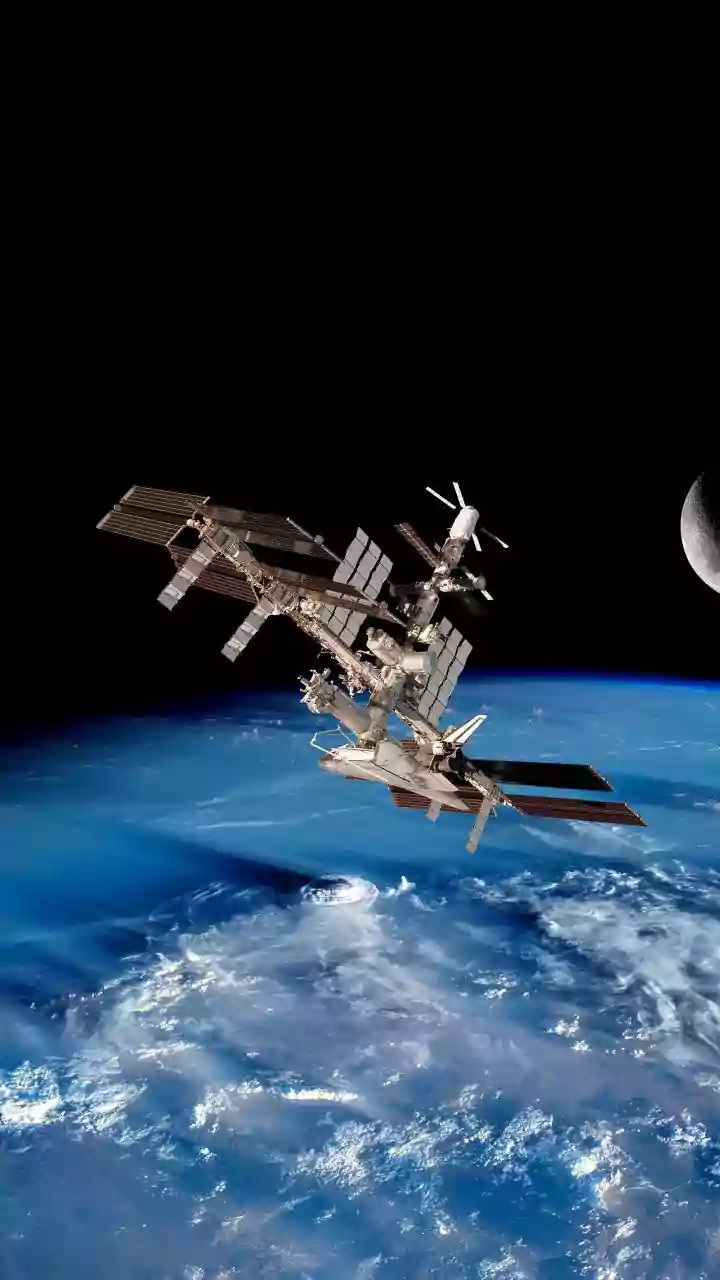
Most light from the early universe gets stretched into longer, redder wavelengths by the expansion of space, which is what telescopes like JWST are famously designed to see in the infrared. However, the most energetic processes, like those powered by massive young stars, blaze brightest in ultraviolet light. This high-energy radiation is what actually cleared the primordial fog, turning the opaque universe transparent. Earth's atmosphere blocks UV light, which is why a space-based telescope like Hubble is essential for this type of astronomy. While JWST provides incredible depth in infrared, Hubble’s unique sensitivity to UV light allows it to see the 'smoking gun' of reionization—the very light that did the work of clearing the cosmic fog. This new finding showcases how the old pro, Hubble, still brings unique and indispensable capabilities to the table.
A Tiny Galaxy Packing a Mighty Punch
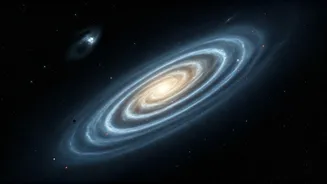
The source of this incredible light, galaxy MXDFz4.4, is an anomaly. It is about 100 times smaller than our own Milky Way but is forming stars at a rate roughly 10 times faster. These stars are young, massive, and crammed together in a very small space. According to the researchers, this dense clustering of hot, powerful stars created a sort of super-blast of radiation. This intense energy was strong enough to punch holes through the surrounding gas within the galaxy and then escape into the space between galaxies. This observation provides the first direct evidence for a long-held theory: that small, rapidly star-forming galaxies were the primary engines that drove the reionization of the universe.
The Legacy Continues with ULLYSES
This specific discovery is part of a broader, ambitious effort by Hubble to secure its legacy in ultraviolet astronomy. The Ultraviolet Legacy Library of Young Stars as Essential Standards (ULLYSES) program is Hubble's largest-ever observing program in terms of time dedicated. Over three years, it gathered detailed UV data on nearly 500 young stars, creating a massive library for astronomers. This project focuses on understanding how young, hot stars—both massive ones that shape entire galaxies and smaller ones that influence planet formation—interact with their environments. The ULLYSES data will help scientists understand everything from how stellar winds seed galaxies with heavy elements to how radiation from a young star might affect the habitability of planets forming in its disk.