





What Are Sodium-Ion Batteries?
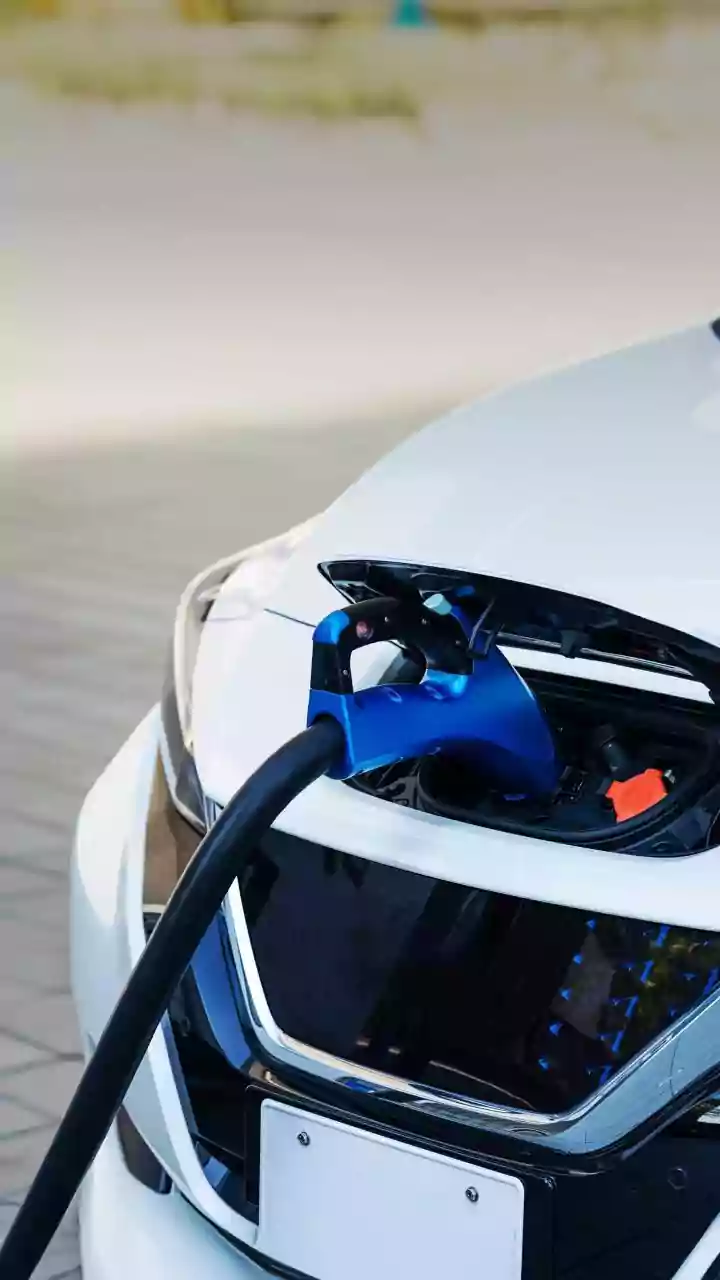
At its core, a sodium-ion battery works much like the familiar lithium-ion batteries that power our phones and current EVs. It stores and releases energy by moving ions between a positive and negative electrode. The game-changing difference is the core element:
instead of scarce and geopolitically sensitive lithium, it uses sodium. Sodium is the sixth most abundant element on Earth, easily sourced from common salt. This simple switch in materials has profound implications, promising to drastically reduce costs and build a more resilient, localized supply chain for India. Several Indian companies, including Indi Energy, GODI, and Rechargion, are actively developing this technology, aligning with the nation's 'Make in India' and energy self-reliance goals.
The All-Important Cost Advantage
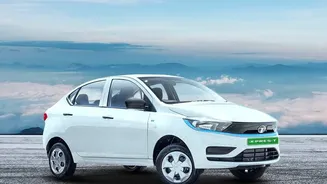
The primary appeal of sodium-ion technology is its potential to make EVs cheaper. Lithium prices are notoriously volatile and subject to complex global supply chains largely controlled by a few nations. Sodium, in contrast, is cheap and plentiful everywhere. Furthermore, sodium-ion batteries can use aluminum as a current collector instead of the more expensive copper required in lithium-ion cells, further driving down material costs. While large-scale production is needed to realize the full cost benefits, some projections suggest sodium-ion batteries could be 40-50% cheaper than their lithium-ion counterparts. This cost reduction would directly impact the final showroom price of entry-level cars, a segment crucial for cracking the Indian market.
Performance, Safety, and Practicality
Early concerns about sodium-ion batteries centered on their lower energy density, meaning they store less energy for their weight compared to lithium-ion cells. This makes them less suitable for luxury, long-range EVs. However, for entry-level cars, scooters, and three-wheelers primarily used for city commuting, the expected range is more than adequate. Recent advances have significantly closed this gap, with some next-generation sodium-ion batteries approaching the energy density of the popular Lithium Iron Phosphate (LFP) batteries. Moreover, sodium-ion batteries offer significant advantages in safety and durability. They are less prone to thermal runaway (catching fire) and perform exceptionally well in extreme temperatures, retaining over 90% of their capacity in cold weather—a major weakness for lithium-ion batteries. They also show promise for very fast charging, with some prototypes charging to 80% in under 15 minutes.
The Indian Ecosystem and Timeline
The push for sodium-ion technology is gaining serious momentum in India. Reliance Industries has invested in the technology by acquiring UK-based firm Faradion. Meanwhile, homegrown startups are making remarkable progress. Pune-based Rechargion is developing cells from locally sourced materials for two and three-wheelers. IIT Roorkee spin-off Indi Energy is innovating by using agricultural waste to create hard carbon for the battery's anode. According to the Renewable Energy Secretary, Indian research has reached an advanced stage (Technology Readiness Level 7), which means commercial production could begin within two to three years. While Chinese manufacturers like CATL may be the first to launch a sodium-ion powered car globally in 2026, the groundwork being laid in India suggests that a domestically produced, sodium-ion powered EV is no longer a distant dream.