


The Science of a Spoiled Show
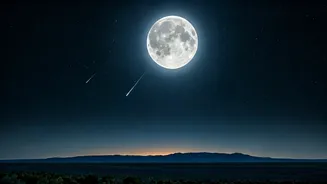
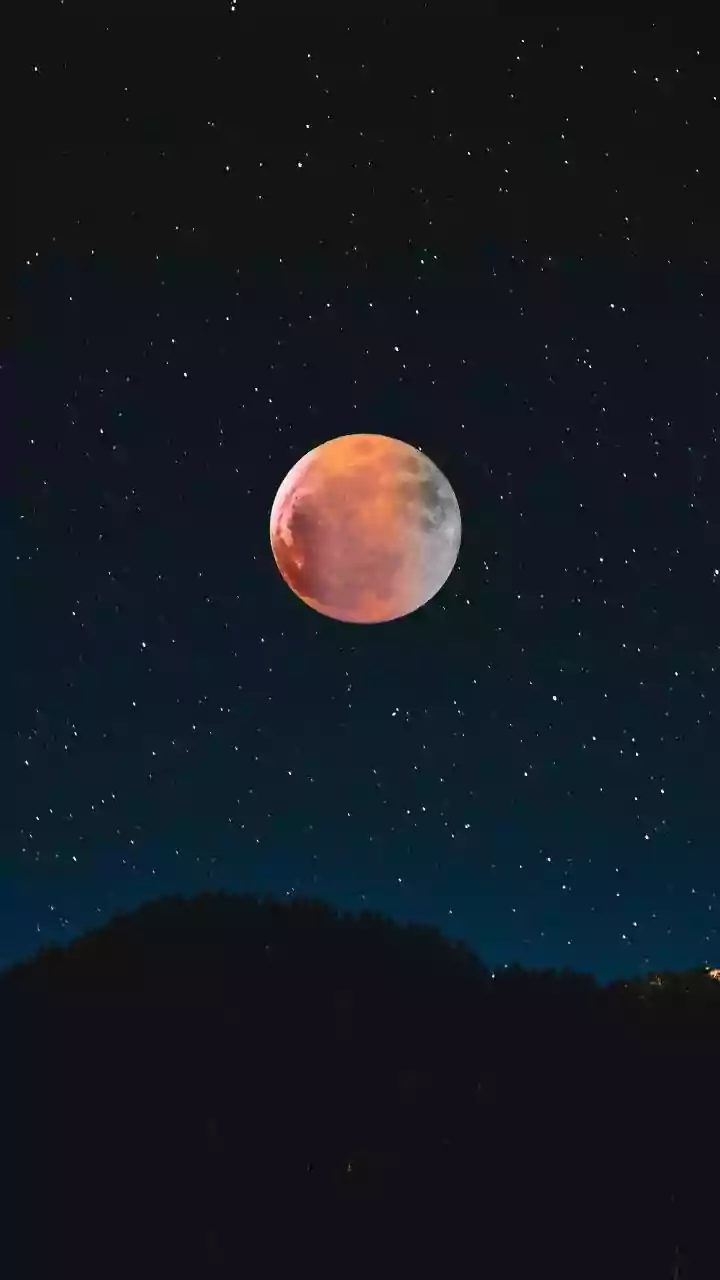
A brilliant moon might seem like a beautiful companion for a night of stargazing, but for meteor watchers, it’s a friendly rival. The problem is simple: light pollution. The Moon doesn’t produce its own light; it reflects sunlight. When it’s full or nearly
full, that reflection is powerful enough to create a natural skyglow that blankets the atmosphere. This bright haze drastically reduces the contrast between the dark sky and the faint streaks of meteors. While a meteor shower might produce dozens of events per hour, the majority of these are faint. Moonlight washes these dimmer meteors out completely, leaving only the brightest and most dramatic fireballs visible. This means your hourly count of visible meteors can drop significantly, sometimes by more than half.
Know Which Showers to Watch
Not all meteor showers are created equal, and some are better equipped to compete with moonlight. Showers known for producing a high number of exceptionally bright meteors, called fireballs, are your best bet. The Perseids in August and the Geminids in December are famous for this. This is especially important in a year when a shower's peak coincides with a bright moon. For example, the Southern Delta Aquariids, which peak at the end of July 2026, will be almost entirely washed out by a 98% full moon. The meteors from this shower are typically faint to begin with. However, the famous Perseid meteor shower in mid-August 2026 offers a perfect viewing opportunity, as its peak aligns with a new moon, promising dark skies.
Use the Moon's Position to Your Advantage
You can’t turn off the moon, but you can hide from it. One of the most effective strategies is to physically block it from your line of sight. Find a viewing spot where a building, a barn, a dense treeline, or a hill stands between you and the moon. By positioning yourself in a 'moon shadow', you allow your eyes to better adapt to the darkness, making it easier to spot the meteors that are visible. Another key tip is to look at a part of the sky away from the moon. The sky will be darkest in the opposite direction of the bright glare. You don't need to stare directly at the meteor shower's radiant point; meteors will appear across the entire sky. In fact, meteors can appear longer and more spectacular at a distance of 45 to 60 degrees away from their radiant.
Timing Is Everything
Even on a night with a bright moon, there are often windows of opportunity. Check the local time for moonrise and moonset. You may have a period of true darkness after the sun has set but before the moon has risen, or in the early morning after the moon has set but before the sun rises. For most meteor showers, the best viewing hours are typically after midnight and before dawn, as the side of the Earth you're on is facing forward into the stream of meteoroid debris. If the moon is high in the sky during these prime hours, your viewing will be impacted, but if it sets before 2 or 3 a.m., you could still be in for a great show in the pre-dawn darkness.
Adjust Your Expectations and Equipment
When the moon is out, it's essential to manage your expectations. You will not see the high rates of meteors often quoted for ideal, moonless nights. Instead of focusing on the quantity, appreciate the quality. The meteors that manage to outshine the moon are often the most brilliant fireballs, some of which might leave behind persistent, glowing trails. To maximize your chances, give your eyes at least 20-30 minutes to adjust to the dark, and avoid looking at your phone. And don't bother with a telescope or binoculars; their narrow field of view is not suited for catching the wide, sweeping paths of meteors. Your own eyes are the best tools you have.