



The Core Philosophy of Sattvik Food
In Ayurveda, food is categorized into three types based on its effect on our body and consciousness: Sattvik, Rajasic, and Tamasic. Sattvik food, deriving from the Sanskrit word 'sattva' meaning purity, includes fresh, natural, and lightly prepared items.
Think fresh fruits, vegetables, whole grains, nuts, and dairy products. These foods are believed to promote clarity, harmony, and peacefulness. Rajasic foods (like spicy, oily, or stimulating items such as onion and garlic) are said to create restlessness, while Tamasic foods (like processed, stale, or heavy meats) can lead to dullness and lethargy. Festive fasting is designed to increase Sattva, which is why the diet shuns Rajasic and Tamasic ingredients, aiming to purify the body and calm the mind.
Why Your Digestion Gets Priority
The central goal of fasting in Ayurveda is to give your digestive system a much-needed rest and to rekindle your digestive fire, or 'Agni'. When Agni is strong, your body efficiently absorbs nutrients and eliminates toxins ('Ama'). Constantly eating heavy, processed foods weakens this fire, leading to issues like bloating, indigestion, and sluggishness. By consuming easy-to-digest foods, the body doesn't have to work as hard, conserving energy. This conserved energy can then be redirected towards physical healing and spiritual practices like prayer and meditation, which are central to festive observances. The diet is naturally high in fibre and low on the glycaemic index, which helps maintain stable energy levels.
Ghee: The Golden Elixir of Fasting
Pure ghee, especially from cow's milk, is considered the quintessential Sattvik fat in Ayurveda and plays a starring role in fasting meals. Unlike other fats that can feel heavy, ghee is unique because it kindles the digestive fire without aggravating it. It lubricates the digestive tract, which helps prevent constipation and ensures smooth digestion of fasting foods like starchy millets and potatoes. Ghee is also a 'rasayana' (rejuvenator) and 'yogavahi,' meaning it helps carry the nutrients from other foods deep into the body's tissues. This makes it an ideal medium for cooking during a fast, providing sustained energy and nourishment while supporting the body's cleansing process.
What to Eat and What to Avoid
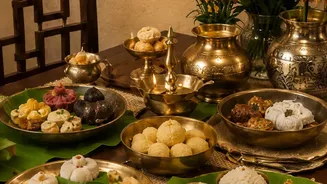
During a Sattvik fast, the menu is specific. Permitted foods include fruits of all kinds, milk, yoghurt, and paneer. For grains, regular rice and wheat are replaced with alternatives like Kuttu (buckwheat flour), Singhara (water chestnut flour), Rajgira (amaranth), and Sama (barnyard millet). These are lighter and easier on the gut. For seasoning, regular table salt is swapped for Sendha Namak (rock salt), which is cooling and less processed. Foods to strictly avoid are onions, garlic, regular grains, lentils, and all non-vegetarian items, as they are considered Rajasic or Tamasic. The idea is to keep meals simple, fresh, and minimally processed to support the body's natural detoxification.
More Than Just a Diet
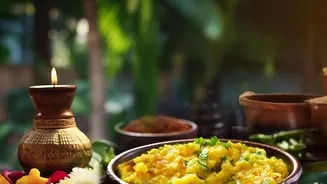
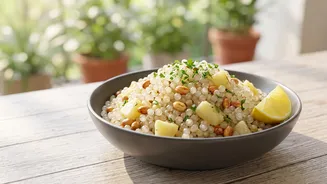
Ultimately, the rules of festive fasting are not arbitrary restrictions. They form a holistic system designed to align body, mind, and spirit. By eating light, clean food, the body detoxifies, and the digestive system resets. This physical lightness translates into mental clarity and emotional balance, creating an ideal state for spiritual reflection and devotion. The diet helps reduce mental clutter and agitation, allowing for a deeper connection to the festival's true purpose. So, the next time you prepare a plate of Sabudana Khichdi cooked in ghee, remember that you are participating in an ancient practice of wellness that nourishes you on every level.