



Sonam Bajwa's dedication to fitness is no secret, and her strong, toned physique is a testament to her hard work. A key part of her powerful lower-body routine is a fundamental yet highly effective exercise: the lunge.
The Foundation of a Powerhouse Physique
Actor Sonam Bajwa often shares glimpses
of her rigorous gym sessions, where leg days featuring squats and lunges are a regular occurrence. She has emphasised that her approach to fitness is about building a body that is functional and strong, not just aesthetically pleasing. For the demanding schedules of film shoots and dance numbers, a powerful lower body is essential. This is where compound exercises like lunges play a crucial role. They are a cornerstone for building the strength, stability, and endurance needed to perform both on-screen and in daily life.
Why Lunges Are So Effective
Lunges are celebrated by fitness experts for their comprehensive benefits. As a unilateral exercise, they work one leg at a time, which is excellent for identifying and correcting muscle imbalances between your left and right sides. This movement targets all the major muscles of the lower body, including the quadriceps, hamstrings, and glutes. Beyond just building strength, lunges also enhance balance, improve hip flexibility, and engage your core for stability. This makes them a highly efficient 'bang for your buck' exercise, contributing to better posture, coordination, and functional strength for everyday activities like climbing stairs or lifting objects.
Mastering the Forward Lunge: A Step-by-Step Guide
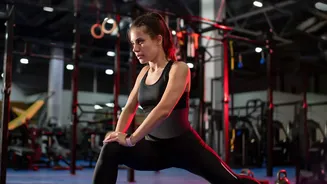
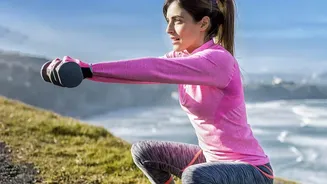
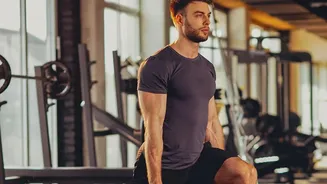
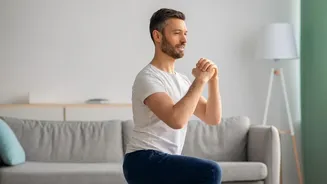
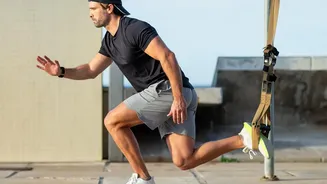
Proper form is crucial to maximise benefits and prevent injury. To perform a basic forward lunge correctly, start by standing with your feet hip-width apart and your core engaged. Step forward with one leg, landing on your heel first. Lower your hips until both knees are bent at approximately a 90-degree angle. Your front knee should be directly above your ankle, not pushed out over your toes, and your back knee should hover just above the floor. Keep your torso upright and your chest lifted throughout the movement. Push off your front heel to return to the starting position and repeat on the other side.
Common Mistakes to Avoid
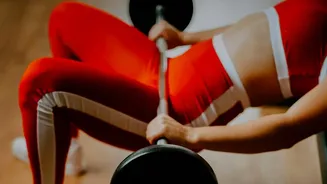
Several common errors can compromise your lunge and lead to strain. One major mistake is letting the front knee travel past the toes, which puts unnecessary pressure on the knee joint. Another is stepping your feet in a straight line, as if on a tightrope, which reduces stability. Instead, maintain a hip-width stance as you step. Leaning your torso too far forward or allowing your front knee to collapse inward are also frequent issues. To counter these, focus on keeping your core tight, your chest up, and your movements controlled and steady, not jerky. Beginners should master the bodyweight lunge before adding weights.
Lunge Variations to Level Up Your Workout
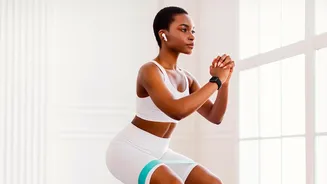
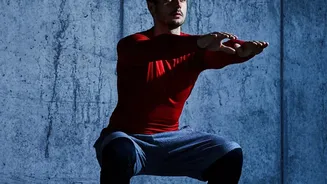
Once you've mastered the basic lunge, incorporating variations can challenge your muscles in new ways. Reverse Lunges, where you step backward instead of forward, are often considered gentler on the knees while still targeting the glutes and hamstrings effectively. Walking Lunges add a dynamic, cardiovascular element to the exercise, building endurance as you move across the floor. Lateral (or Side) Lunges are excellent for working the inner and outer thighs, muscles often neglected in forward-and backward movements. These variations not only prevent workout boredom but also contribute to a more well rounded and functionally strong lower body.