






Your Passport to Authenticity
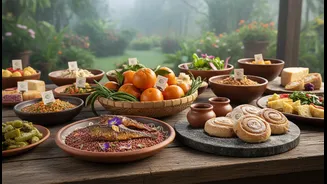
First, a quick refresher: a Geographical Indication (GI) tag is essentially a badge of honour for a product. It certifies that the item originates from a specific geographical region and possesses qualities or a reputation that are due to that origin.
Think of it as a guarantee of authenticity, a stamp that protects the legacy, environment, and traditional knowledge behind what you're eating or drinking. From Darjeeling Tea, India's very first GI-tagged product, to hundreds of others, these tags are crucial for safeguarding India's rich culinary heritage against imitation and boosting local economies. They transform a simple meal into a story of a place, its people, and its history.
Why Monsoon is the Magic Season
There's a reason why the aroma of rain-soaked earth and the craving for a warm, comforting meal are so deeply connected in the Indian psyche. The monsoon doesn't just change the weather; it changes how we eat. While classics like pakoras and chai will always have their place, the season offers a perfect backdrop for culinary exploration. The rains bring many GI-tagged products to life. Pepper vines flourish in the Malabar region, paddy fields stretch across the northern plains, and the humidity of the coast works its magic on ageing coffee beans. The misty hills and cooler climes make destinations that are otherwise scorching hot in summer incredibly inviting, turning a food trip into a full sensory experience.
Trail 1: The Coffee & Spice Route of the Western Ghats
When the clouds roll into the Western Ghats, the states of Karnataka and Kerala transform into a lush, green paradise. This is the heartland of some of India’s most famous GI-tagged treasures. In Coorg, the air is thick with the aroma of Arabica coffee plantations, a product that received its GI tag for its unique flavour profile shaped by the region's climate. Further down, the Malabar coast is home to Tellicherry Pepper, a spice so integral to the region that its cultivation thrives during the bountiful monsoon. A truly unique experience here is the Monsooned Malabar Coffee, where beans are exposed to moisture-laden monsoon winds for weeks, causing them to swell and develop a smooth, earthy flavour that is sought after globally.
Trail 2: A Storm in a Teacup in Darjeeling
No monsoon food trail would be complete without a pilgrimage to the misty hills of Darjeeling. As the first Indian product to receive a GI tag, Darjeeling Tea set the standard for authenticity. The region’s ample monsoon rainfall is what gives the tea its celebrated musky flavour, known to connoisseurs as 'muscatel'. A trip here during the rains isn't just about sipping the iconic brew in a cozy cafe; it's about witnessing the emerald-green tea gardens shrouded in mist and understanding the intricate process that goes into creating this world-renowned beverage. It's an atmospheric journey that connects you directly to the source of your daily cuppa.
Trail 3: Coastal Flavours of Goa and the Konkan
The monsoon brings a different kind of magic to India's west coast. In Goa, this is the time to experience the famed Cashew Feni, a GI-tagged spirit with a history stretching back to the 16th century. While the cashew harvest is earlier, the quiet, reflective monsoon season is the perfect time to explore the local distilleries and understand this unique Goan heritage. Nearby, the Konkan coast boasts its own GI heroes. The area is home to Vengurla Cashew and Khola Chilli, a mildly pungent chilli from a specific village in Goa, essential for the region's fiery curries. Exploring these flavours during the off-season rush offers a more intimate and authentic taste of the coast.
The Rise of the Culinary Content Creator
This growing interest in hyper-local food isn't happening in a vacuum. It's being fuelled by a new generation of food and travel content creators who are rewiring how Indians plan their journeys. Platforms like YouTube and Instagram are filled with creators documenting their travels, moving beyond generic reviews to offer detailed itineraries and honest tips. Viewers are drawn to the authenticity of a creator exploring a local market or tasting a traditional dish prepared by a local family. This digital word-of-mouth makes niche experiences, like seeking out a specific GI-tagged food, feel accessible and exciting, turning a simple product into a must-visit destination.