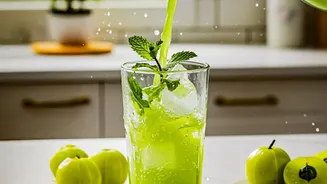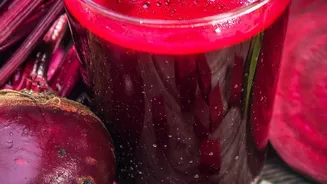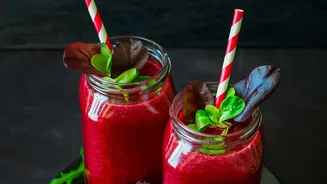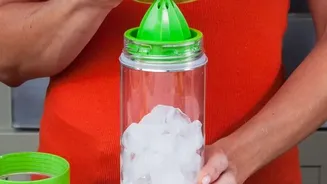

Trying to keep up with healthy habits in a busy world often feels like a losing battle. This simple kitchen hack—making amla and beet juice cubes—offers a practical way to get a nutrient boost without the daily hassle of juicing.
The Modern Appeal of an Old-School Blend
The idea is refreshingly
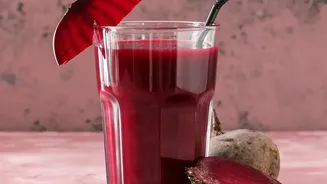
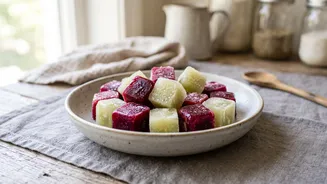
simple: take the juice of two well-regarded ingredients, amla (Indian gooseberry) and beetroot, and freeze it in ice cube trays. This creates a stash of ready-to-use cubes that you can drop into a glass of water, a smoothie, or a mocktail anytime. The appeal isn't in chasing a miracle cure, but in pure convenience. It tackles the common hurdles of juicing: the time-consuming preparation, the clean-up, and the pressure to consume fresh juice within a day or two before it loses its quality. By prepping a large batch and freezing it, you turn a daily chore into a weekly or bi-weekly task, making it far easier to stick with the habit.
A Grounded Approach to Nutrition
Without making grand health claims, it's worth noting what makes this combination popular. Amla is famously packed with Vitamin C, a powerful antioxidant. Beetroot is known for its dietary nitrates and betalains, which contribute to its vibrant colour and are associated with benefits like supporting blood flow. Combining them creates a beverage that is undeniably nutrient-dense. The purpose of these cubes isn't to replace a balanced diet or solve health problems, but to supplement your routine with a convenient dose of vitamins and minerals. Think of it as an easy upgrade to your daily hydration, adding flavour and function without the fanfare of a 'superfood' obsession.
How to Make Your Own Juice Cubes
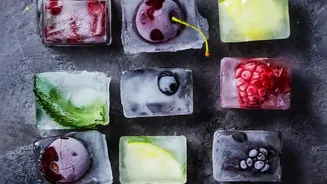
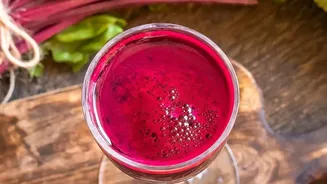
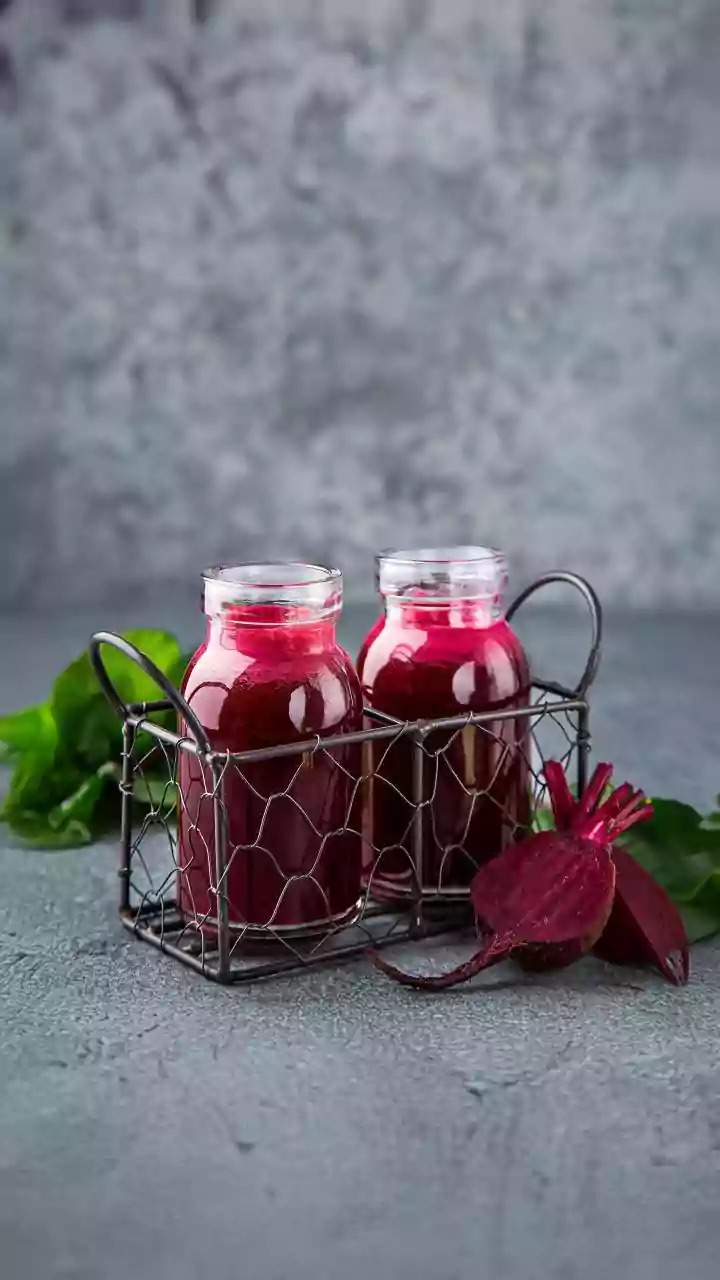
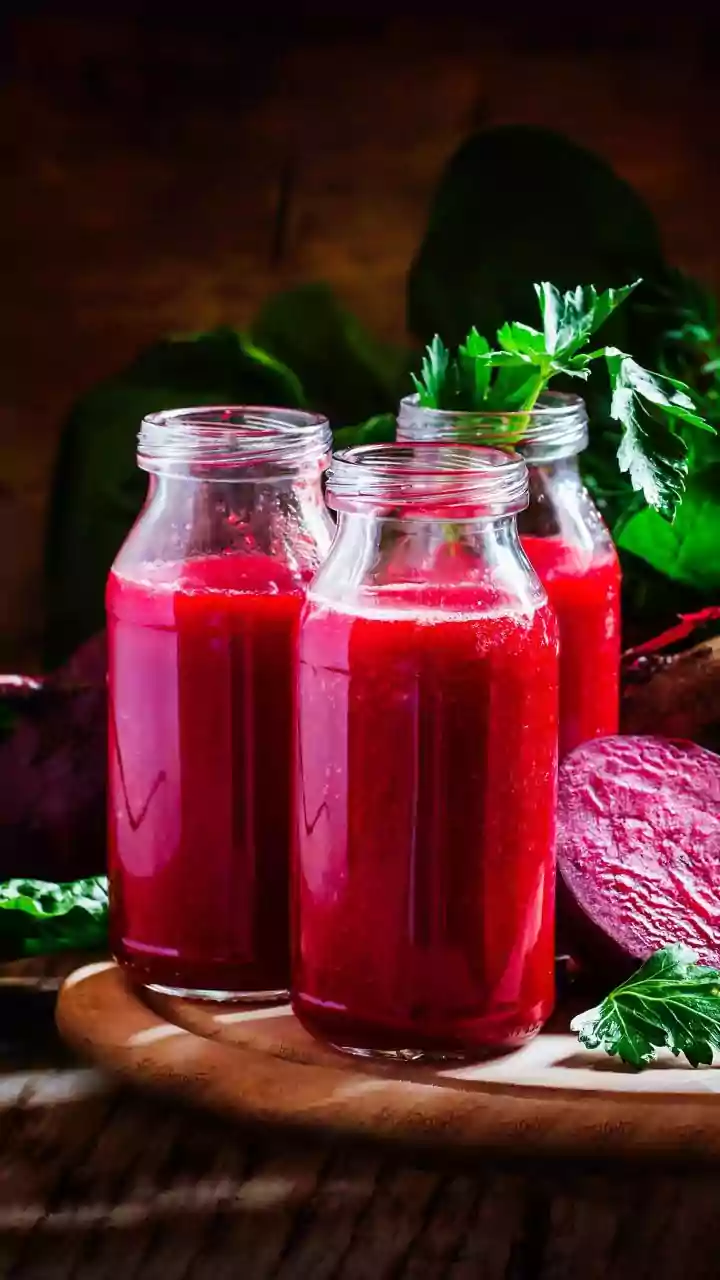
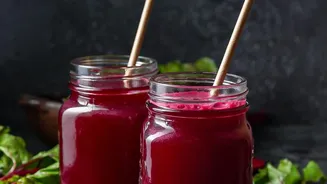
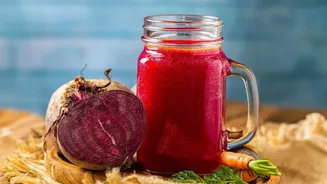
Preparing your own amla beet juice cubes is straightforward. You’ll need fresh beetroot and amla, a juicer or a high-powered blender, and an ice cube tray. First, wash, peel, and chop one medium-sized beetroot. For the amla, two or three fruits are usually enough; just be sure to remove the seeds. You can also add a small piece of ginger for extra zest. If using a juicer, process the ingredients together. If using a blender, combine them with a small amount of water to get things moving, blend until smooth, and then strain the mixture through a fine-mesh sieve or cheesecloth to separate the pulp. Pour the resulting deep-red juice into an ice cube tray, filling each section about three-quarters full to allow for expansion. Freeze overnight, and then transfer the frozen cubes to a labelled freezer bag for easy storage. They should maintain good quality for two to three months.
Simple and Creative Ways to Use Them
The most obvious way to use your amla beet cubes is to drop one or two into a tall glass of water. As they melt, they'll infuse the water with flavour and nutrients, creating a refreshing drink that doesn't get diluted. But you can get more creative. Add a few cubes to your morning smoothie for a hasslefree nutritional kick. Toss them into a blender with sparkling water and a squeeze of lime for a vibrant, healthy mocktail. They can even be used to add a subtle, earthy sweetness to soups or dressings once thawed. The key is their versatility; they're a building block for whatever you’re in the mood for.
A Few Sensible Precautions
While generally safe for most, it’s wise to be mindful. Both amla and beetroot can have noticeable effects. Beetroot is high in oxalates, which may be a concern for those prone to kidney stones. Its strong pigments can also cause beeturia—a harmless but sometimes alarming condition where urine or stools turn a reddish colour. Amla’s high Vitamin C content can cause acidity or digestive discomfort for some people, especially on an empty stomach. As with any dietary addition, moderation is key. Starting with one cube a day is a sensible approach to see how your body responds. These cubes are a supplement to a healthy lifestyle, not a substitute for one.