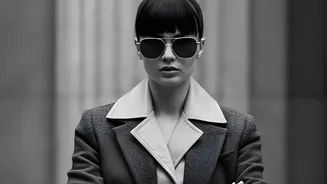

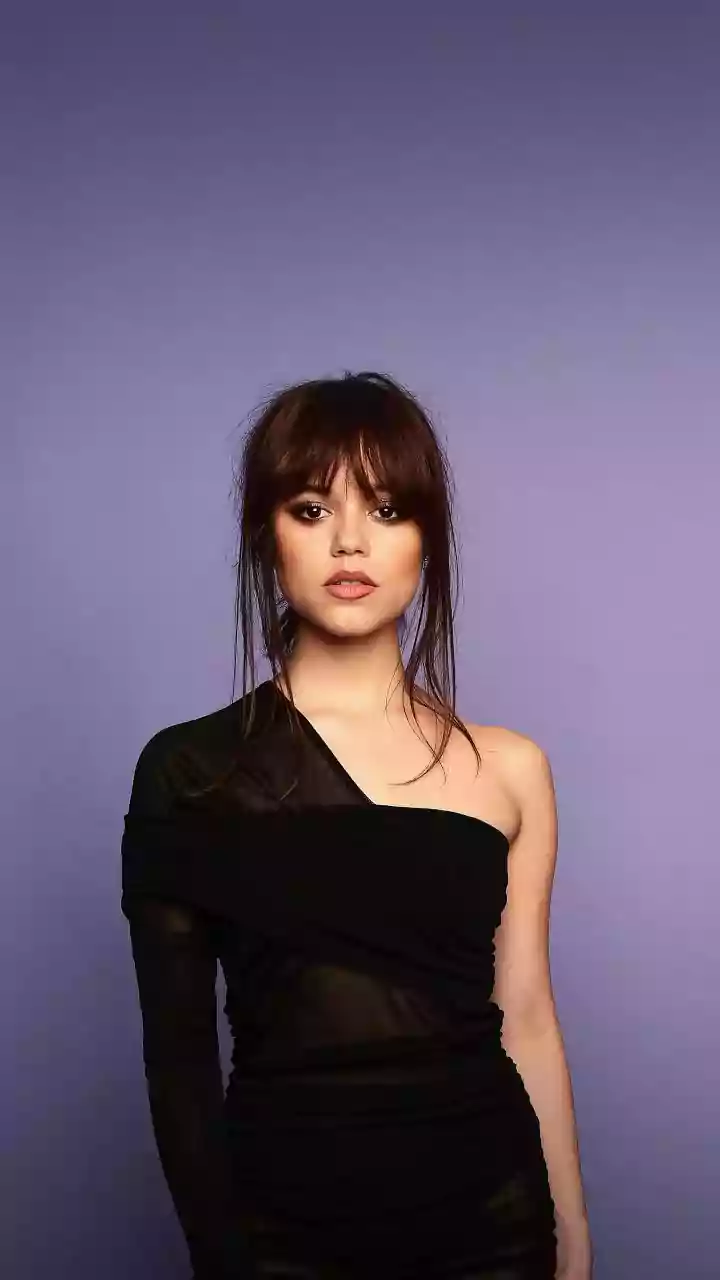





What Exactly Are Layered Bangs?
Unlike a blunt, single-length fringe, layered bangs are cut with varying lengths to create a softer, more textured effect. This technique removes weight, allowing the bangs to blend more seamlessly into the rest of your hair and creating natural movement
and volume. Think of them as a dynamic, piecey frame for your face rather than a solid curtain. The style can range from shorter, choppier layers for an edgier look to longer, wispier sections that offer a romantic feel, making them incredibly versatile. This built-in texture is what makes them so flattering and adaptable.
The Face-Framing Advantage
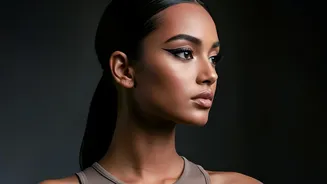
The primary appeal of layered bangs is their unique ability to highlight your features. By strategically cutting shorter pieces toward the center and gradually lengthening them toward the temples, stylists can create a fringe that draws attention directly to the eyes. The longer, outer layers are designed to sweep along the cheekbones, creating a contouring effect that softens and frames the face. This graduation in length ensures your features are enhanced, not hidden, providing structure and definition without the severity of a heavy, straight-across bang.
Finding a Flattering Style for Your Face Shape
Layered bangs are universally flattering precisely because they can be customized. For round faces, longer, side-swept layered bangs or curtain styles can add length and create diagonal lines that add definition. Square face shapes benefit from softer, wispier layered bangs that soften strong angles without hiding them. Heart-shaped faces are well-suited to wispy or bottleneck bangs (shorter in the middle, longer at the sides) that balance a wider forehead. Those with oval faces can experiment with nearly any style of layered bang, as their balanced proportions provide a versatile canvas.
How to Ask Your Stylist for the Perfect Cut
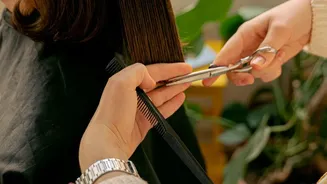
Clear communication in the salon chair is crucial. Bringing inspiration photos is always helpful, but be prepared to describe what you like about them. Use keywords like 'soft,' 'textured,' 'wispy,' or 'piecey' to describe the finish you want. Specify where you want the shortest part of the bang to fall—for example, at the eyebrow—and how the longer layers should blend into your haircut, such as sweeping past the cheekbones. Phrases like 'face-framing layers that blend' or 'soft curtain bangs, not a heavy fringe' will help your stylist understand the goal is movement and framing, not a blunt line.
Styling and Maintenance at Home
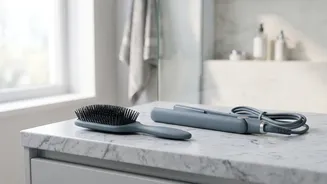
Maintaining the look is surprisingly low-effort. The key to styling is directing the hair while it's damp. Using a round brush while blow-drying is the most effective method; pull the bangs forward and then roll the brush away from your face to create that signature outward sweep and lift at the roots. For a quicker routine, you can use your fingers to create a more relaxed, piecey look. A light texturizing spray can add definition and hold the style. To keep their shape, layered bangs typically require a trim every four to six weeks, which is often less frequent than a blunt fringe.