




The Current Monsoon Situation
The 2026 monsoon season has been particularly intense across Himachal Pradesh. As of early August, relentless downpours have triggered numerous landslides, flash floods, and widespread infrastructure damage. The India Meteorological Department (IMD) has issued
alerts for the state, forecasting heavy to very heavy rainfall through August 12 and 13. According to the State Emergency Operation Centre (SEOC), over 160 roads were reported closed as of August 8, with districts like Mandi and Kullu being the worst affected. This severe weather has a direct and dangerous impact on the two primary arteries leading to the remote Spiti Valley.
Status: Shimla to Kaza Route (NH-5)
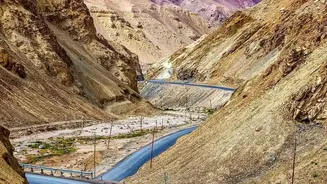
The road from Shimla to Kaza via Kinnaur (National Highway 5) is often considered the more reliable, all-weather route. However, it is not immune to the monsoon's fury. This route is highly exposed to landslides, especially on the stretches between Wangtu and Sumdo and near Nako and Malling Nala. Reports from early August 2026 confirmed that NH-5, also known as the Hindustan-Tibet road, has faced blockages due to landslides. While authorities work to clear the debris, the situation remains fluid, with closures happening with little to no warning. Travelers must understand that even when open, the journey can be fraught with delays and risks from active rockfall zones.
Status: Manali to Kaza Route
The Manali-Kaza highway, which goes over the high-altitude Kunzum and Rohtang passes, presents a different set of challenges. While this route is in a rain-shadow area and sees less direct rainfall than the Kinnaur side, the approach roads around Manali are severely affected by the monsoon. As of August 8, Mandi and Kullu districts, which are on the approach to this route, reported a high number of road blockages. The stretch from Gramphu to Losar is notoriously difficult even in good weather, with multiple water crossings and rough patches. During monsoon, these streams can become impassable torrents. While the route was declared open for traffic in late May/early June 2026, its accessibility is highly dependent on daily weather conditions. A heavy downpour in the Kullu-Manali region can shut the route down instantly.
What Are the Risks for Travellers?
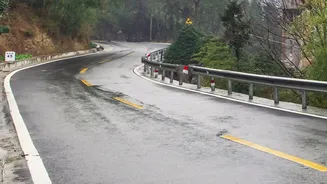
The primary risk is not just the inconvenience of a closed road, but the real danger of being caught in a hazardous situation. Landslides, mudslides, and flash floods are the most significant threats. Vehicles can get stranded for days between blockages, with limited access to food, water, and shelter. Water crossings on the Manali route can swell dangerously after midday, making morning crossings essential but not guaranteed to be safe. Furthermore, the fragile communication network in these remote areas can be disrupted, making it difficult to call for help. Local authorities have repeatedly advised tourists to avoid unnecessary risks and stay away from avalanche-prone areas and swollen rivers.
Official Advisories and Recommendations
Given the current conditions, authorities have issued strong advisories for August 2026. Local safety authorities and the IMD have recommended that non-essential mountain travel be deferred. An orange alert for extremely heavy rain has been issued for several districts, with the wet spell expected to continue. For those considering travel, the advice is unanimous: be extremely cautious. Always check the latest road status from official sources like the District Police or the State Emergency Operation Centre before starting your journey each day. Do not rely on outdated blog posts or Google Maps for real-time conditions.
Should You Travel to Spiti Now?
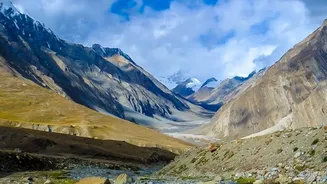
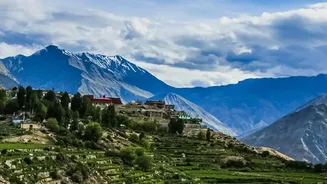
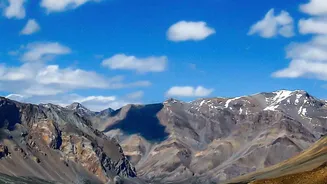
The valley itself is beautiful in August, sitting in a rain-shadow and remaining relatively dry. However, the journey is the problem. Travelling to Spiti at this time requires immense flexibility, a high tolerance for risk, and several buffer days built into your itinerary. For most people, postponing the trip is the wisest and safest decision. If you absolutely must travel, use a robust 4x4 vehicle, travel with an experienced local driver who understands the terrain, and carry extra fuel and essential supplies. Prioritize safety above all else; the mountains are not going anywhere, and a delayed adventure is far better than a journey that ends in disaster.