

The Search for Quiet
The primary driver behind this shift is a collective yearning for peace and quiet. For many living in the bustling chaos of cities like Delhi, Chandigarh, and Jaipur, the weekend is a precious window for recovery. Instead of navigating crowded tourist
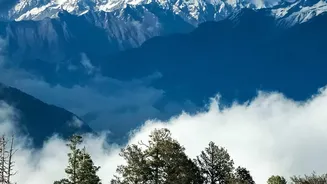
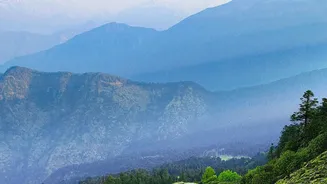
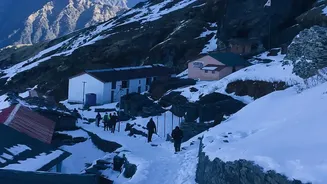
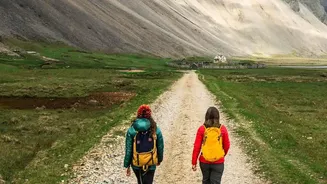
hubs, these travellers are consciously choosing paths less travelled. They are seeking an escape not just from their physical environment, but from the mental clutter that comes with it. The serene, untouched landscapes of remote valleys in Himachal and Uttarakhand offer a powerful antidote to urban fatigue, providing a genuine sense of solitude that popular destinations can no longer guarantee. This desire for disconnection is a direct response to the 'always-on' culture of modern city life, making the silence of the mountains a coveted luxury.
Mindfulness Over Milestones
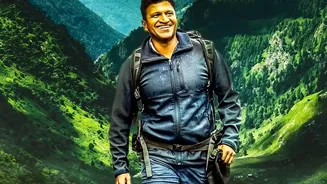
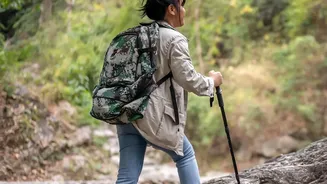
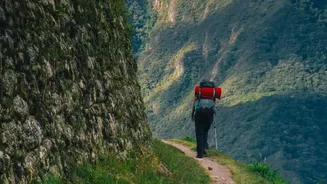
This trend is about more than just avoiding crowds; it’s about a fundamental change in the travel mindset. The focus is shifting from a checklist of 'must-see' sights to the quality of the experience itself. This is where 'mindful travel' comes in. It’s the practice of being fully present, engaging the senses, and connecting deeply with the surroundings. On these offbeat trails, the goal isn't just to reach the summit, but to appreciate the journey—the sound of a rustling leaf, the scent of pine in the air, the sensation of the earth underfoot. It transforms a simple hike into a meditative practice, promoting mental well-being and stress reduction. Travellers are returning not just with photos, but with a renewed sense of calm and clarity.
Accessible Wilderness
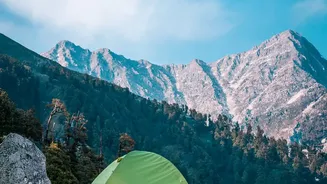
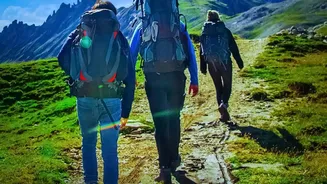
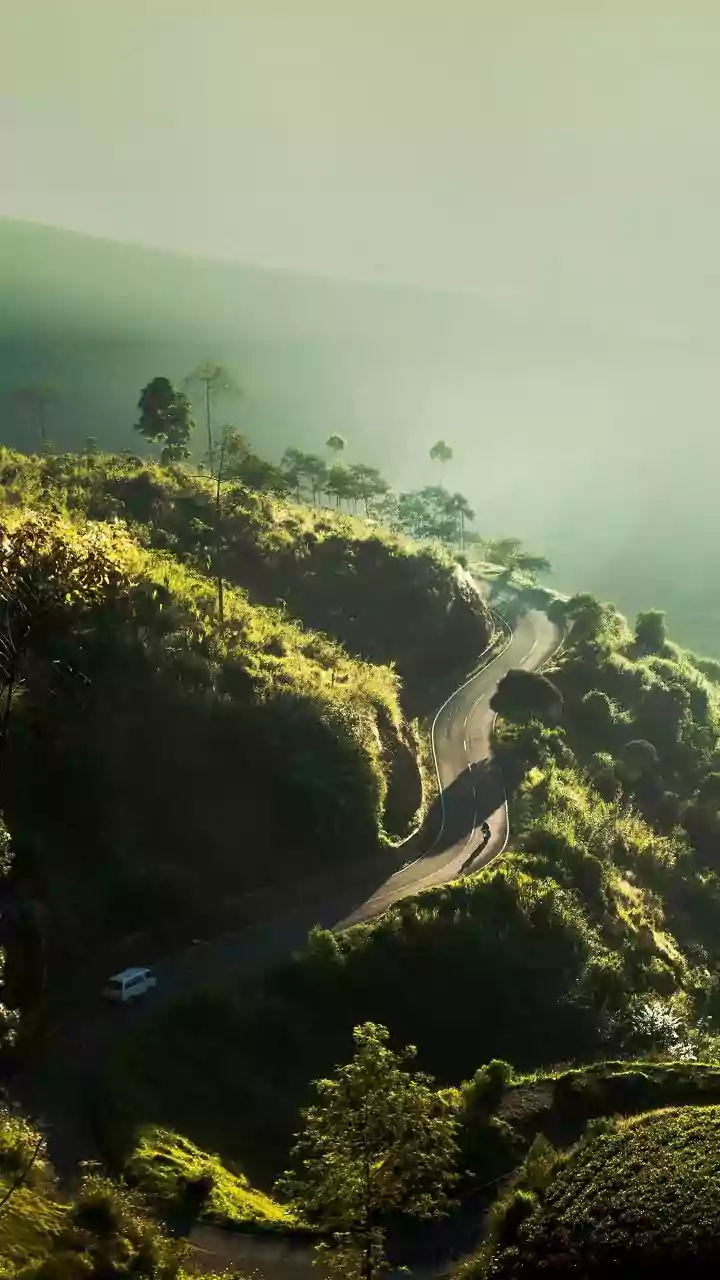
The allure of these hidden gems is amplified by their accessibility. Thanks to improved road infrastructure, many of these once-remote areas are now within a comfortable overnight drive from major North Indian cities. Trails in places like the Sainj and Thachi Valleys in Himachal, or treks to Nag Tibba and Deoriatal in Uttarakhand, can be comfortably completed within a long weekend. This logistical ease makes spontaneous, restorative trips possible. It removes the need for extensive planning and long leave from work, fitting perfectly into the rhythm of a modern professional’s life. The road trip itself becomes part of the mindful experience—a scenic, flexible journey that allows for spontaneous stops and a gradual transition from the urban to the natural world.
Authentic Local Connections
Another significant draw is the opportunity for authentic cultural immersion. Offbeat travel often leads people to remote villages where they can stay in local homestays instead of commercial hotels. This provides an unfiltered glimpse into the region's culture, traditions, and way of life. These stays foster genuine connections with the host communities, offering a richer, more meaningful travel experience. Mindful travellers are increasingly conscious of their impact, and choosing homestays is also a way to contribute directly to the local economy. This form of sustainable, community-focused tourism aligns with a desire to travel responsibly, leaving a positive footprint while gaining a deeper understanding of the places they visit.
Beyond the Hike
The experience on these trails goes far beyond just walking. Mindful travel encourages a holistic engagement with nature. Trekkers are taking the time for activities like bird watching, stargazing in clear mountain skies, and learning about the local flora and fauna from guides or villagers. This multi-layered approach enriches the journey, turning a simple trek into a comprehensive natural retreat. Tour operators and travel communities are responding to this demand by curating experiences that bundle hiking with these complementary activities. The focus is on creating a complete sensory and educational journey that rejuvenates both mind and body, making every moment of the weekend escape count.