



The Hidden Risk in Reheating
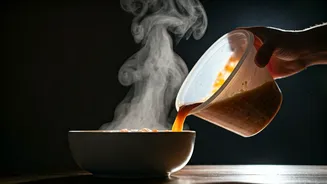
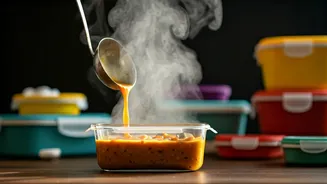
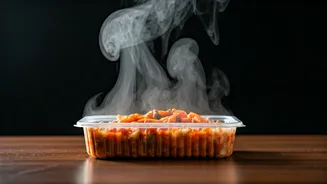
The primary concern with heating plastic is a process called leaching, where chemicals from the container can transfer into your food. Heat accelerates this process, especially with fatty or oily foods like curries and meats. The main chemicals of concern are
bisphenol A (BPA) and phthalates, which are often used to make plastics more durable and flexible. Over time, even at room temperature, these chemicals can migrate from the container into what you eat, but microwaving significantly speeds up the transfer. Studies have also found that heating can cause plastics to shed millions of microscopic particles, known as microplastics and nanoplastics, directly into your food.
Decoding the 'Microwave-Safe' Myth
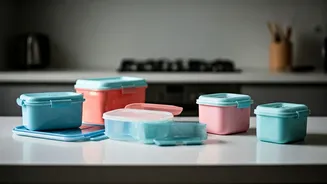
Many people rely on the "microwave-safe" label as a guarantee of safety. However, this label can be misleading. According to the Food and Drug Administration (FDA) in the United States, this label primarily means the container has been tested and won't melt, warp, or break when heated. It is a measure of the container's durability, not its chemical safety. A "microwave-safe" label does not mean the container is free from leaching chemicals; it only means the amount of leaching is considered within 'safe' limits by regulators during testing. Furthermore, even plastics that are marketed as BPA-free can still be a problem. Manufacturers often use substitute chemicals like bisphenol S (BPS) or bisphenol F (BPF), which research suggests may have similar hormone-disrupting effects.
Health Concerns You Can't Ignore
So, what's the big deal about these chemicals? Both BPA and phthalates are known as endocrine disruptors, meaning they can interfere with the body's natural hormonal systems. Exposure to these chemicals has been linked in various studies to a range of health issues, including reproductive problems, decreased fertility, obesity, diabetes, and certain types of cancer. Children are particularly vulnerable because their bodies are still developing, and their smaller size means their relative exposure is higher. The long-term effects of consuming microplastics are still being studied, but their presence in our bodies is a growing area of concern for scientists.
Smarter, Safer Lunchbox Habits
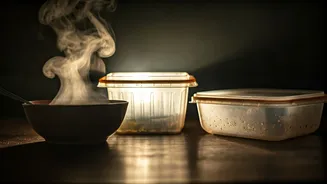
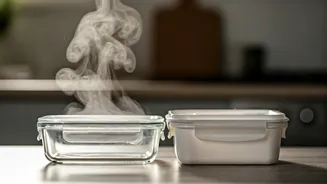
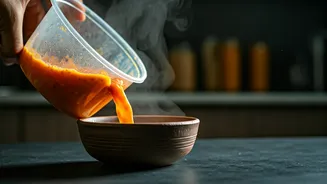
The safest approach is to avoid microwaving plastic altogether. Instead of heating your food directly in a plastic tiffin, transfer it to a glass or ceramic plate or bowl before placing it in the microwave. If you must use plastic, take note of its condition. Do not use containers that are old, scratched, cracked, or stained, as these are more likely to leach chemicals. Also, avoid covering your food with plastic wrap while microwaving; condensation can cause chemicals from the wrap to drip into your meal. A paper towel is a safer alternative. Letting food cool down before storing it in a plastic container can also help reduce the potential for leaching.
Better Alternatives for Your Tiffin
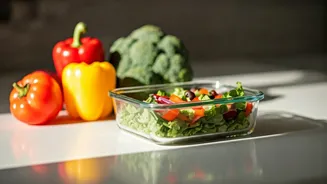
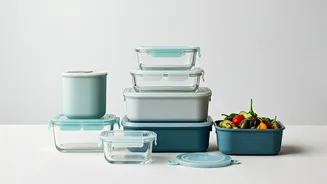
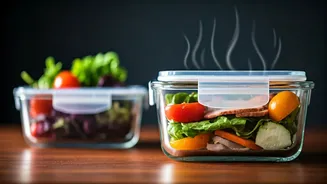
The best way to avoid these risks is to switch to lunch containers made from safer materials. High-quality stainless steel is an excellent choice; it's durable, non-toxic, and doesn't leach chemicals, even with hot or acidic foods. Many modern steel tiffins are designed to be lightweight and come in various configurations. Glass containers are another great option, especially since they can go directly from the fridge to the microwave. For those concerned about breakage, many glass containers now come with protective silicone sleeves. Food-grade silicone containers are also a good alternative, though it's best to use them for cold or room-temperature foods, as the effects of heating silicone are still being fully explored.