

Protein’s Fundamental Building Blocks
Protein is a crucial macronutrient essential for building and repairing tissues, making enzymes and hormones, and supporting overall bodily function. But what is protein made of? The answer is amino acids. Think of them as tiny building blocks that link
together to form large, complex protein molecules. There are 20 different amino acids that our bodies use. Of these, nine are called 'essential amino acids' because our bodies cannot produce them on their own. This means we must get them from the food we eat. These nine essential amino acids are histidine, isoleucine, leucine, lysine, methionine, phenylalanine, threonine, tryptophan, and valine.
The Difference Between Complete and Incomplete
This is where the terms 'complete' and 'incomplete' protein come into play. A food source is considered a 'complete protein' when it contains all nine essential amino acids in sufficient quantities. Most animal-based foods—like meat, fish, eggs, and dairy—fall into this category. On the other hand, most plant-based foods are 'incomplete proteins'. This doesn't mean they are bad; it simply means they are low in one or more of the essential amino acids. For example, a particular grain might have eight of the nine essential amino acids in abundance but be low in the ninth. That one scarce amino acid is referred to as the 'limiting amino acid' because its scarcity limits the body's ability to build its own proteins from that food source.
A Quick Look at Protein Quality Scores
To measure the nutritional value of different proteins, scientists use scoring systems. The most established one, used by regulatory bodies like the FDA, is the Protein Digestibility Corrected Amino Acid Score (PDCAAS). This score evaluates a protein based on two main factors: its amino acid profile (does it have all the essential ones?) and its digestibility (how much of it can the body actually absorb and use?). A score of 1.0 is the highest, indicating a top-quality protein. While newer methods like the Digestible Indispensable Amino Acid Score (DIAAS) are being discussed for their precision, PDCAAS remains the standard for food labeling. These scores help quantify why some protein sources are more efficient than others.
The Magic of Complementary Proteins
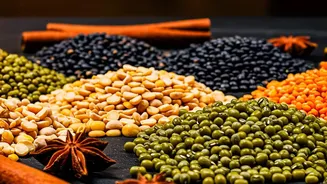
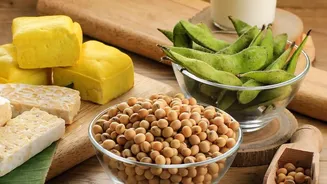
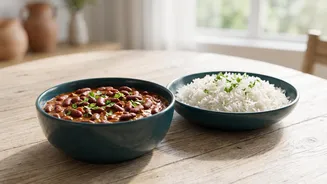
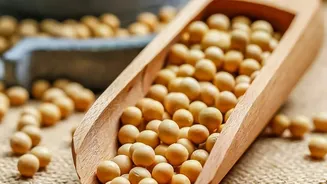
This brings us back to dal and rice. The reason this combination is so brilliant is that grains and legumes are complementary proteins. Cereals and grains like rice and wheat are typically low in the essential amino acid lysine. Legumes, which include lentils (dal), beans, and chickpeas, happen to be rich in lysine but are often low in another essential amino acid, methionine. When you eat them together, their amino acid profiles compensate for each other’s shortfalls. The lysine from the dal completes the protein in the rice, and the methionine from the rice completes the protein in the dal. The result is a meal that provides all nine essential amino acids, creating a complete protein profile similar to what you’d find in animal products.
Busting the 'Same Meal' Myth
For years, it was believed that you had to eat complementary proteins at the exact same meal for your body to benefit. However, modern nutrition science has shown this to be a myth. Your body is smarter than that; it maintains a temporary reserve or 'pool' of free amino acids. This means as long as you consume a variety of protein sources throughout the day—g -grains, legumes, nuts, and seeds—your body can pull the necessary amino acids from this pool as needed to synthesize complete proteins. So, while a dal-rice lunch is fantastic, having a whole-wheat roti for lunch and a bowl of chana masala for dinner works just as well.
Classic Pairings Beyond Dal and Rice
This principle of protein complementation is found in cuisines all over the world. In Mexico, you find beans served with corn tortillas. In the Middle East, hummus (made from chickpeas) is served with pita bread (a grain). A simple peanut butter sandwich on whole wheat bread is another classic example. Other great Indian pairings include idli or dosa (made from a fermented batter of rice and lentils) and khichdi. The Swiss have muesli, combining grains and nuts, and even a simple meal of macaroni and cheese pairs a grain with a dairy product to ensure a complete protein intake.