




Why Texture Is as Important as Flavour
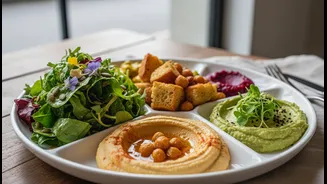
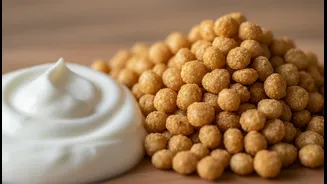
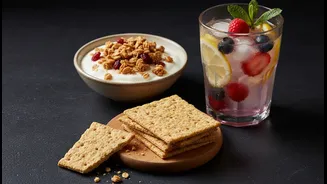
Our mouths crave variety. Flavour provides taste, but texture provides the experience—the satisfying crunch, the comforting creaminess, or the pleasant chew. A dish with layers of texture keeps the palate engaged and prevents what chefs call 'palate fatigue'.
Without contrast, even the most delicious curry or stew can start to feel monotonous, like listening to a song with only one note. The interplay between soft, crispy, crunchy, and creamy is what makes food exciting and memorable.
The Common Soft Food Traps
Many common cooking habits accidentally lead to a uniformly soft plate. Overcooking vegetables is a major culprit, turning them mushy and stripping them of flavour and nutrients. Another is overcrowding the pan; instead of searing and becoming crisp, ingredients steam and soften. Simmering a curry too aggressively can also break down ingredients too much, and even adding a garnish like fresh coriander or fried onions too early can cause them to wilt and lose their textural punch.
Embrace the Power of Crispy and Crunchy
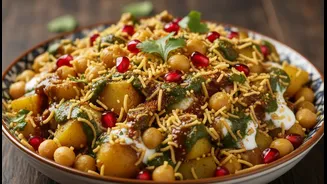
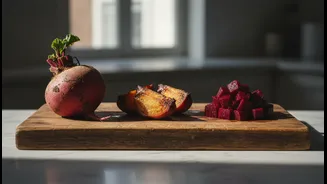
Adding a crispy or crunchy element is the fastest way to elevate a dish. This doesn't have to be complicated. Instead of boiling vegetables, try roasting them at a high temperature until their edges brown and crisp. Before cooking, pat ingredients like chicken, paneer, or vegetables completely dry to ensure they sear rather than steam. For a final touch just before serving, think about garnishes that add a pop. Toasted nuts and seeds, crispy fried onions (birista), sev, crushed papad, or even fried capers can transform a soft dal or sabzi.
Harnessing Freshness and Raw Power
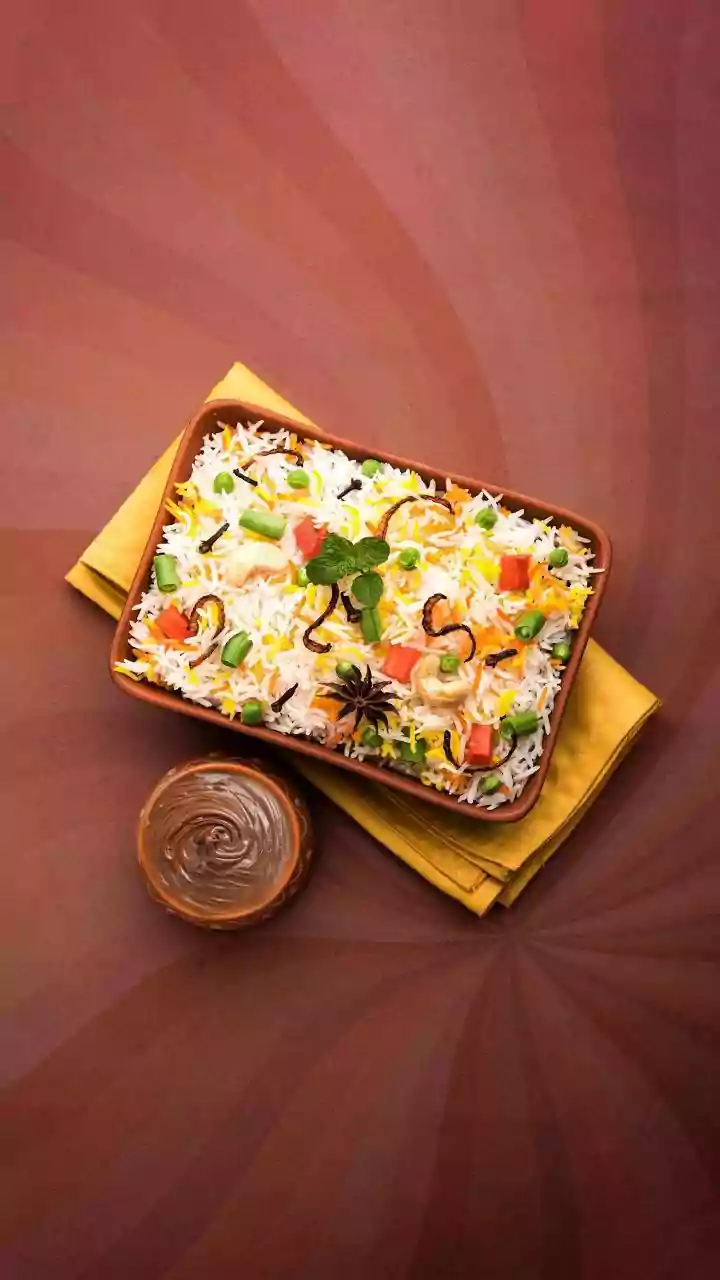
Crunch isn't just about fried things. Raw ingredients provide a different, fresher kind of crunch that can brighten heavy dishes. A simple kachumber salad of finely chopped onion, tomato, and cucumber adds a vital, juicy crunch alongside a rich biryani or kebab. Thinly sliced radish or a sprinkle of fresh pomegranate seeds can cut through the richness of a creamy korma. These elements should be added at the very last moment to preserve their crisp texture and vibrant flavour.
Balance Is Key: Don't Eliminate Softness
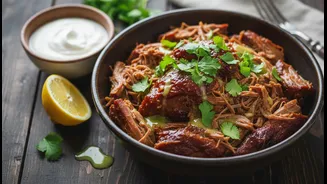
The goal isn't to make everything hard; it's to create a balance. Softness provides comfort and a base for other textures to shine. A creamy dal makhani is wonderful because it's smooth and velvety. The magic happens when you pair it with a crisp, flaky naan or top it with crunchy onions. A silky soup becomes more interesting with crispy croutons. A tender piece of chicken is made better by its crispy, seared skin. Think of your dish as a team where every player has a different but important role.
Timing and Technique Matter
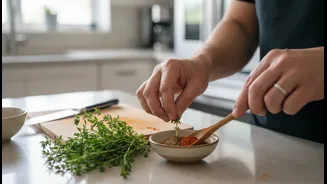
Great texture is often a result of timing. When making a mixed vegetable stir-fry or sabzi, add harder vegetables like carrots and potatoes first, and delicate ones like bell peppers and leafy greens towards the end. This ensures each vegetable is cooked to its ideal texture. Similarly, always add your crunchy garnishes just before the plate goes to the table. Letting toasted breadcrumbs sit on top of a casserole for too long will make them soggy. Mastering texture is about understanding not just what to add, but when to add it.