


The Power of Millets
In the colder months, especially in states like Rajasthan, Gujarat, and Maharashtra, dense and nutritious millets like bajra (pearl millet) and jowar (sorghum) replace lighter grains. Bajra is traditionally considered a 'warming' food in Ayurveda. It
is rich in iron, fibre, and complex carbohydrates, providing sustained energy that helps the body stay warm and combat the lethargy that often accompanies winter. A classic meal of bajra roti served with a dollop of ghee and a piece of jaggery is more than just comfort food; it's a balanced, energy-dense meal perfectly suited for the season. Jowar is another winter staple, offering high levels of magnesium and fibre.
Seasonal Greens and Roots
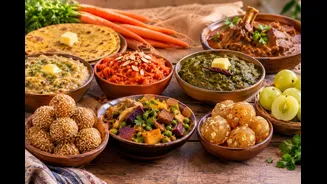
Winter brings an abundance of specific vegetables that form the backbone of regional cuisines. In Punjab, the season is synonymous with Sarson ka Saag, a slow-cooked dish made from mustard greens. These greens, along with others like spinach and bathua (chenopodium), are rich in iron, calcium, and vitamins A, C, and K, which are crucial for boosting immunity during the flu season. In Gujarat, the star is Undhiyu, a mixed vegetable casserole that relies entirely on winter produce like surti papdi (hyacinth beans), purple yam, and sweet potatoes. These root vegetables are dense and nourishing, designed by nature to be harvested in the cold and provide sustained energy. The traditional method of cooking Undhiyu—slow-cooked upside down in an earthen pot—was a practical way to tenderise these hardy vegetables.
The Role of Fats and Sweeteners
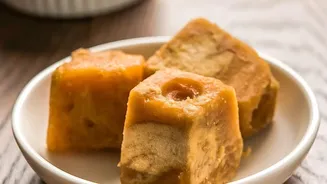
Winter cooking across India generously employs ghee (clarified butter) and seasonal jaggery. According to Ayurveda, ghee is a warming food that aids digestion and helps in the absorption of fat-soluble nutrients. It’s the essential fat that lubricates joints, which can feel stiff in the cold. Jaggery, particularly the fresh batches made from the sugarcane harvest, becomes the preferred sweetener. It is unrefined and contains minerals like iron and magnesium, providing a gentle energy boost. In Bengal, winter is celebrated with Nolen Gur, a special date palm jaggery available only for a few months. Its unique, smoky caramel flavour transforms sweets like sandesh and rosogolla into seasonal delicacies.
Warming Spices and Immunity Boosters
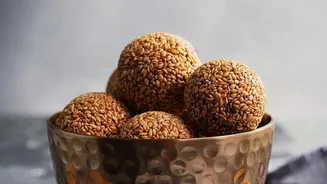
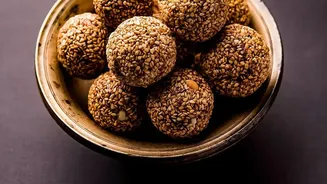
Spices are central to Indian cooking, and in winter, their role as natural warming agents is amplified. Ginger, with its ability to boost circulation, is added liberally to teas and curries. Turmeric supports immunity, while black pepper, cloves, and cinnamon are also used for their warming properties and ability to aid digestion, which can become sluggish in colder weather. Another key winter ingredient is gond, or edible gum, sourced from the sap of acacia trees. It is renowned for its ability to generate body heat and is a key component in Gond ke Laddu, energy-dense sweets made with ghee, flour, and nuts. These laddus are traditionally given to new mothers for recovery and are a common household remedy for joint pain and low energy during winter.