


Ditch the Schedule, Check the Soil
The single most common mistake new plant parents make is watering on a rigid schedule. A 'water every Sunday' rule doesn't account for changes in season, humidity, or the plant's growth cycle. The golden rule is to check the soil first. The classic 'finger
test' is your best friend: stick your finger about one to two inches into the soil. If it feels dry, it's time to water. If you feel moisture, wait a few more days and check again. This simple habit prevents both over and underwatering and attunes you to your plant's actual needs, which can vary even in India's diverse climates, from humid monsoons to dry summers.
Overwatering vs. Underwatering: Reading the Signs
Ironically, the symptoms for both overwatering and underwatering can look similar, often involving wilting or drooping leaves. The key difference is in the feel of the leaves and, crucially, the soil. Overwatered plants may have yellowing leaves (especially lower ones), soft stems, and the soil will be consistently soggy, sometimes with a musty smell indicating root rot. The wilting happens because the suffocated roots can no longer absorb water. Conversely, an underwatered plant's leaves will feel dry and crispy at the edges. The soil will be bone-dry and may have pulled away from the sides of the pot. If you're unsure, the soil's condition is the ultimate tiebreaker.
The 'How' of Watering: Top vs. Bottom
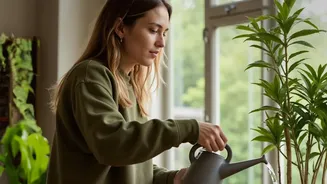
How you deliver water is just as important as when. Top watering is the most common method: pouring water slowly and evenly over the soil surface until it flows out of the drainage holes at the bottom. This helps flush out excess mineral salts from the soil. Always empty the saucer afterward to ensure the plant isn't sitting in water. Bottom watering, where you place the pot in a tray of water and let it soak up moisture through the drainage holes, is another excellent technique. It encourages deeper root growth and ensures the entire root ball is hydrated without wetting the foliage, which can help prevent some fungal diseases. Most plants benefit from either method, but bottom watering can be particularly useful for those sensitive to wet leaves.
Your Pot and Soil Matter More Than You Think
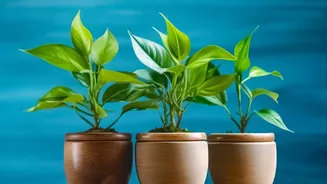
The environment you create for your plant's roots directly impacts its water needs. The type and size of the pot are significant factors. Porous materials like unglazed terracotta or clay pots allow moisture to evaporate through their sides, meaning the soil will dry out faster. Plastic or glazed ceramic pots hold moisture for longer. Equally important is ensuring your pot has drainage holes. Without drainage, water pools at the bottom, leading to the dreaded root rot. The potting mix itself is also key; a well-draining soil mix is essential for most houseplants, preventing the soil from becoming waterlogged.
Adjusting to Your Home and Seasons
A plant's thirst isn't constant; it changes with its environment. Plants in bright, sunny spots will use water much faster than those in low-light corners. Likewise, seasonal changes have a major impact. During India's hot, dry summers, plants will need more frequent watering. During the cooler winter or humid monsoon season, you'll need to reduce the frequency significantly to prevent waterlogging. Air conditioners and heaters also dry out the air, which can increase a plant's water requirements. The key is to remain observant. Pay attention to how your plant looks and how the soil feels, and you'll develop an intuitive sense of its needs throughout the year.