



A Sweet Revolution
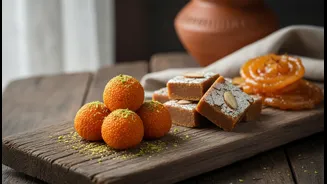
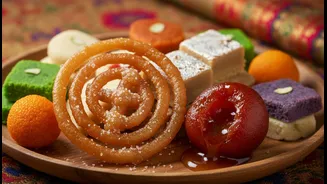
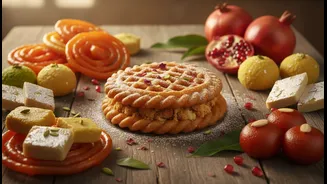
For the longest time, the world of Indian mithai felt wonderfully, unchangeably traditional. It was a universe of ghee-drenched ladoos, syrup-soaked gulab jamuns, and richly dense barfis. But a quiet revolution is underway. Chefs and artisanal sweet makers
across India are reimagining these classics, not by replacing them, but by refining them. This new movement is less about radical change and more about thoughtful evolution. The goal isn't to create something unrecognisable, but to elevate the familiar, balancing textures and sweetness with a finesse that speaks to a modern, globalised palate. It's a shift from sweets being merely a sugary finale to becoming a sophisticated culinary experience, all on their own.
The Art and Science of Precision
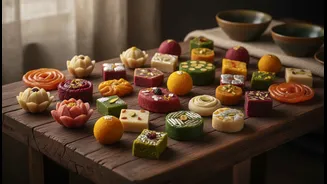
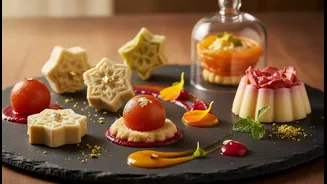
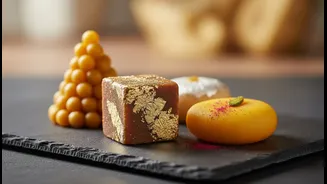
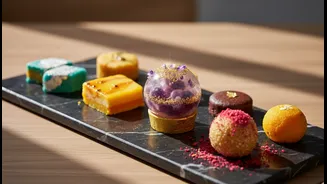
What does 'precision' look like in the context of a ladoo or a barfi? It means borrowing from the playbook of French patisserie and modern gastronomy. Chefs are deconstructing classic recipes to understand their core components, then rebuilding them with contemporary techniques. This involves meticulously controlling sugar levels to allow other flavours like saffron, cardamom, or pistachio to shine through. It means creating lighter textures, like foams and mousses, or unexpected fillings. Think of a Mysore Pak-inspired coffee cheesecake or crispy churros made from gulab jamun batter. This approach is also influencing brands that focus on artisanal mithai, offering smaller, jewel-like portions that are perfect for mindful indulgence. The presentation has become an art in itself, with elegant, minimalist plating replacing the more traditional, rustic style.
Keeping the Soul Intact
The most crucial part of this trend is ensuring that innovation doesn't come at the cost of authenticity. The 'warmth' of an Indian dessert lies in its nostalgia and its familiar flavour profile. Today’s innovators are deeply respectful of this. The key is to keep the soul of the dish, even while changing its form. This is achieved by focusing on high-quality, pure ingredients and honouring traditional flavour pairings. For instance, pastry chefs like Tejasvi Chandela use European techniques to create new forms, but the flavours remain distinctly Indian, such as a choux pastry filled with the essence of Soan Papdi. This blend of nostalgia and novelty is what makes the trend so compelling. It's the comfort of a flavour you've known your whole life presented with a surprising and delightful new twist.
The Innovators and Their Creations
This movement is being led by a generation of talented chefs and entrepreneurs. Some are trained in prestigious international schools like Le Cordon Bleu and are now applying that knowledge to their heritage. Chefs like Ajay Chopra with his brand 'Kshir & Canelé' explicitly aim to marry Indian mithai with French pastry concepts. In cities like Mumbai and Delhi, boutique sweet shops such as Bombay Sweet Shop and Khoya are reinterpreting mithai for a new audience, focusing on refined taste and stylish packaging. These creations often become a bridge between cultures—a gulab jamun cheesecake or a cardamom-infused macaron tells a story of a confident, contemporary India that is comfortable innovating with its traditions.