






What Exactly Is Lymphatic Walking?
At its core, lymphatic walking isn’t a revolutionary new form of exercise, but rather a specific, intentional way of walking. It’s less about speed and more about mindful movement designed to stimulate your lymphatic system. The technique, popularized
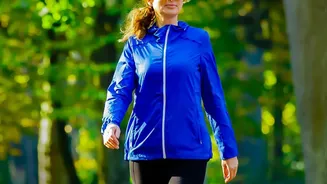
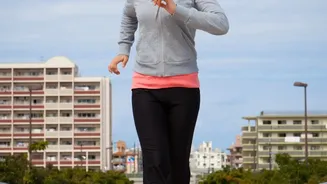
on social media platforms, generally involves walking at a comfortable but brisk pace, maintaining good posture, swinging your arms deliberately, and practicing deep belly breathing. Proponents claim this combination of movements can help reduce puffiness, decrease water retention, and give you a lighter feeling. The trend is the latest in a series of walking “hacks” that promise to upgrade the simple act of putting one foot in front of the other.
A Quick Look at Your Lymphatic System
To understand the trend, you first need to know a little about your lymphatic system. Think of it as your body's unsung hero—a complex network of vessels and nodes that acts as a drainage and defense system. It removes waste, toxins, and other unwanted materials from your body while transporting immune cells to fight infection. But unlike your circulatory system, which has the heart to pump blood, the lymphatic system has no central pump. It relies on external forces to move fluid along, primarily muscle contractions and deep breathing. This is the central principle behind lymphatic walking: that by moving your body in a particular way, you can help this crucial system do its job more effectively.
The Claims vs. The Clinical Reality
Social media videos often associate lymphatic walking with impressive claims like “flushing toxins,” instant immune boosts, and even fat loss. The reality, according to experts, is more nuanced. While movement of any kind is indeed beneficial for lymphatic flow, there is no scientific evidence to suggest that the specific techniques of “lymphatic walking” are superior to a regular, purposeful walk. Any activity that contracts your muscles—especially in your legs—and encourages deeper breathing will stimulate your lymphatic system. The feeling of being “lighter” or less bloated after a walk is often due to a temporary shift in body fluid, not a magical detoxification process or actual fat loss. The claims about reducing bloating can be true, but only if the bloating is from water retention, not digestive gas.
How to Try a Mindful Walk
While it may not be a miracle cure, the principles of lymphatic walking can help you get more out of your daily stroll. If you want to try it, focus on these simple steps. Start by walking at a pace where your breathing rate increases, but you can still hold a conversation. Stand tall and relax your shoulders. Let your arms swing naturally from your shoulders, as this helps move lymph in your upper body. Most importantly, practice diaphragmatic or “belly” breathing. Take a few moments to inhale slowly through your nose, allowing your stomach to expand, then exhale slowly. This deep breathing action changes the pressure in your chest and abdomen, which is a key mechanism for pumping lymph fluid through its largest vessels. Aim for 20 to 30 minutes most days of the week.