







The Delusion of Data
The statistics from the first week of July 2026 were, by any measure, extraordinary. The IMD’s Santacruz observatory recorded nearly 989 mm of rain between June 30 and July 6. In just one week, Mumbai received more rain than Delhi gets in an entire year.
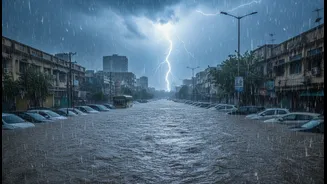
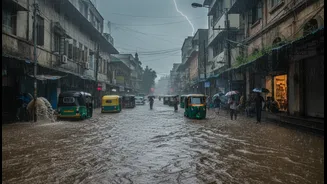
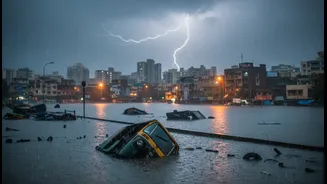
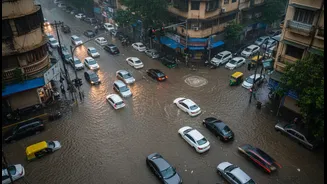
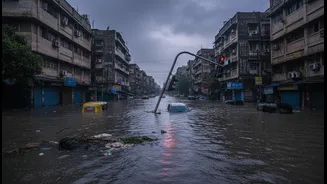
On paper, these figures sound like a legitimate reason for a city to be overwhelmed. Officials can point to the unprecedented nature of the downpour, with rainfall totals surpassing the monthly average in just a few days. It creates a convenient narrative: the weather was simply too extreme for any system to handle. But for the average Mumbaikar, this narrative rings hollow. The data doesn’t show the hours spent in a stationary local train between Vasai and Virar, or the sight of submerged roads in chronic flood spots like Andheri, Sion, and Hindmata. The numbers feel like an excuse, not an explanation.
Anatomy of a Predictable Failure
The reality is that Mumbai’s annual paralysis is a man-made disaster, not just a natural one. The city's core problem lies in its inability to carry rainwater to the sea, a failure rooted in decades of neglect and poor planning. The city's drainage system, which dates back to the 1860s, is old and overburdened. It was designed for a much smaller, less concretised city. Today, rampant urbanisation has replaced natural absorption zones like mangroves and wetlands with concrete, forcing massive volumes of water directly into an already stressed network. Compounding this is the chronic issue of clogged drains and rivers. The annual pre-monsoon desilting of nullahs and the vital Mithi River is often incomplete. This year, work on the Mithi was far from finished by the May 31 deadline, compromising its ability to handle overflow. When drains are choked with plastic, silt, and construction debris, their capacity is severely reduced, leading to immediate waterlogging.
The Accountability Vacuum
When the city floods, a familiar blame game ensues. The Brihanmumbai Municipal Corporation (BMC), one of the richest civic bodies in the country, faces public anger. Yet accountability remains elusive, split between a confusing web of agencies including the BMC, MMRDA, state government, and Railways. Each body often works in a silo, leading to a lack of coordinated planning and ownership. For instance, freshly laid roads are dug up by different utilities, and crucial projects lack integrated oversight. This year, the BMC’s own data revealed that over 2,200 manholes remained unsecured past the May 31 monsoon-preparedness deadline, a direct safety risk during floods. While officials point to operational pumping stations and issue advisories, these measures address the symptoms, not the cause. Activists and urban experts argue that without a single, empowered nodal agency accountable for the city's civic infrastructure, this cycle of failure is guaranteed to repeat. As a recent Bombay High Court observation noted, while citizens' habits like dumping garbage play a role, the larger systemic failure cannot be ignored.
Beyond Counting the Rain
The increasing frequency of extreme rainfall events, driven by climate change, means that short, intense downpours are the new normal. Planning for yesterday's climate is a failing strategy. The solution is not just about building bigger drains or more pumping stations; it demands a fundamental shift in mindset. It requires treating wetlands and mangroves as critical flood infrastructure, not real estate opportunities. It means enforcing a zero-tolerance policy on dumping in waterways and ensuring desilting contracts are awarded and completed on time, with independent audits. While the state government’s announcement of a new ₹13,000-crore flood-control plan sounds promising, Mumbaikars have heard such promises before. The true test will be in the execution and, most importantly, in the establishment of clear, unwavering accountability.