




The Allure and the Ambush
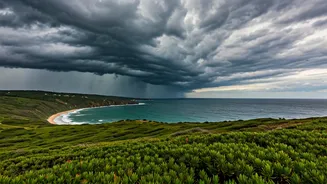
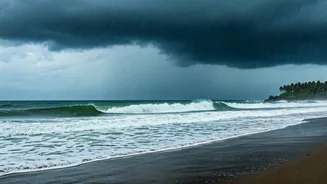
From the cliffs of Varkala to the shores of Kovalam, Kerala’s beaches are a premier attraction, drawing travellers with the promise of serene sunsets and tranquil waves. However, this idyllic picture can change in an instant. The Arabian Sea is prone
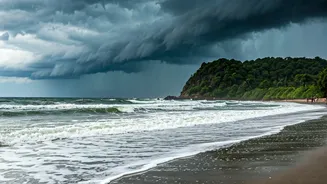
to sudden changes, including dangerous rip currents and high-energy swell waves, locally known as 'Kallakadal'. These events, where the sea surges onto the shore without any immediate local storm, can catch even seasoned beachgoers by surprise. This unpredictability is a key reason why simply checking a standard weather app isn’t enough for planning a safe beach outing in Kerala. The state's beauty is undeniable, but it requires respect and awareness of the underlying risks.
Monsoon, Weather Warnings, and Reality
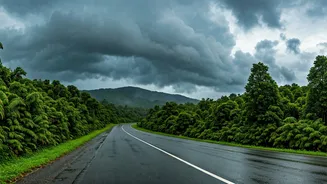
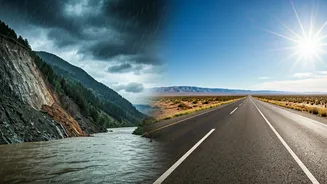
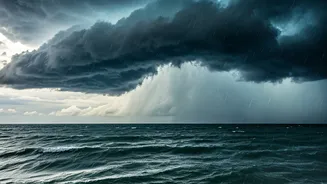
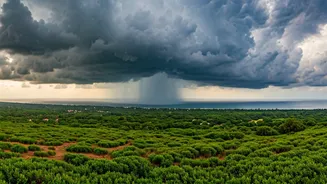
The Southwest monsoon, typically from June to September, transforms Kerala into a lush, green landscape but also brings significant challenges. As of late June 2026, the India Meteorological Department (IMD) has issued multiple 'orange' and 'yellow' alerts across various districts, warning of heavy to very heavy rainfall. These alerts often come with advisories for fishermen to avoid the sea due to squally weather and rough conditions. While monsoon tourism is a growing trend, with some travellers enjoying the dramatic atmosphere, heavy rains can lead to beach closures, restrictions on water activities, and hazardous conditions. For tourists, a forecast of 'rain' doesn't capture the full picture of powerful winds, rough seas, and the potential for flash floods that can disrupt travel plans entirely.
The Problem of Coastal Erosion
Another critical factor affecting Kerala's beaches is severe coastal erosion, a long-term problem exacerbated by climate change and coastal construction. Beaches like Shanghumughom in Thiruvananthapuram have been heavily impacted, requiring extensive restoration work and closure to the public. This means that a beach you saw in photos might be inaccessible or significantly altered by the time you visit. Red flags indicating dangerous tides and unstable sands are becoming more common at popular spots like Varkala. This ongoing erosion not only threatens local livelihoods but also reduces the amount of safe, usable beach area available for tourists, making advance knowledge even more crucial.
Improving the Forecast
Recognizing these dangers, authorities are working on better warning systems. The Indian National Centre for Ocean Information Services (INCOIS) is a key agency monitoring sea states and providing alerts. They have developed systems like the Swell Surge Forecast System to predict 'Kallakadal' events up to three days in advance. More recently, INCOIS installed new Coastal Flood Monitoring Systems in locations like Kollam to improve the accuracy of these forecasts, aiming to provide real-time data on wave transformations near the shore. While these systems are primarily aimed at coastal communities and disaster management, their information is vital for the tourism sector to help manage visitor safety.
Smart Planning for Your Kerala Beach Trip
So, how can you plan a trip with more confidence? First, timing is everything. The post-monsoon period from October to February generally offers the most stable and pleasant weather. If travelling during the monsoon, embrace it: focus on the lush scenery and be prepared for indoor days. Secondly, always check official sources. Follow updates from the IMD and the Kerala State Disaster Management Authority. Before heading to the water, look for warning flags on the beach and listen to the advice of lifeguards and local hotel staff; they have the best understanding of current conditions. Finally, have backup plans. Kerala is more than just its beaches, with beautiful backwaters, hill stations, and cultural sites. If the sea is too rough, be ready to explore other attractions.