
The Reality of Riding in Malta
First, it’s important to set realistic expectations. While Malta's size makes it theoretically ideal for cycling, the main island can have assertive drivers and narrow roads. The country's cycling infrastructure is still developing, with advocacy groups
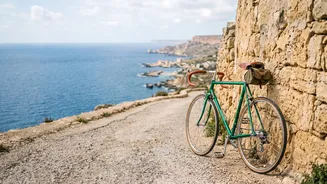
noting that safety concerns and fragmented bike lanes are a deterrent for some. However, the reward for navigating these challenges is immense: access to quiet country lanes, dramatic cliffside panoramas, and the freedom to explore at your own pace. For a truly transformative experience, many cyclists recommend an e-bike to make the island's hilly terrain more manageable.
Gozo: The Cyclist's Paradise
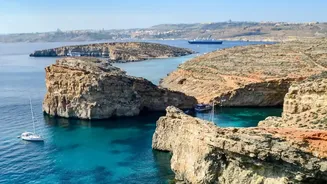
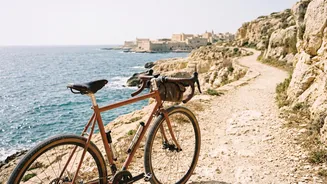
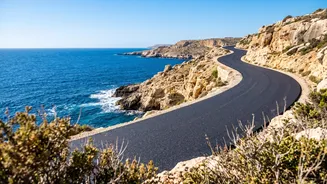
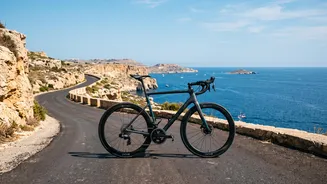
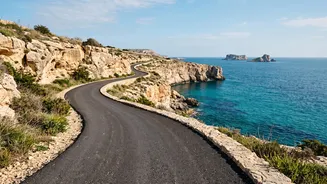
Ask any local cyclist for a tip, and they will likely point you to Malta's sister island, Gozo. Quieter, more rural, and with significantly less traffic, Gozo is widely considered one of the best cycling destinations in the Mediterranean. Its compact size, roughly 14km long by 7km wide, means you can comfortably explore much of it in a single day. The island is crisscrossed with routes that take you through charming villages, past the famous Xwejni salt pans, and along breathtaking coastal cliffs. A popular 40-45km coastal loop offers a full-day adventure with constant sea views. Numerous rental outlets are available, especially near the Mġarr ferry terminal, making it easy to hop off the ferry and start your ride.
Malta Route: The Marfa Ridge Loop
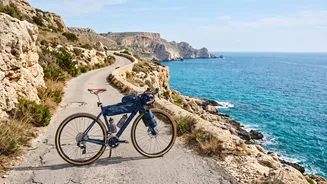
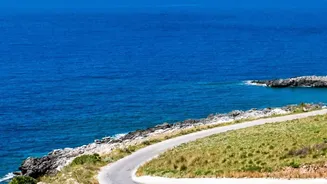
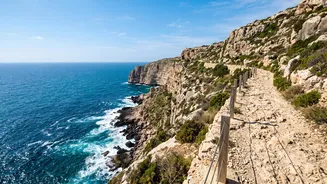
For a classic coastal ride on the main island, the Marfa Ridge in Mellieħa is a top choice. This route is located on the northernmost peninsula and offers spectacular views of Għadira Bay, the islands of Gozo and Comino, and the open sea. Starting from Mellieħa, you can follow paths towards St. Agatha's Tower (the 'Red Tower') and along the ridge. The terrain is a mix of asphalt roads and stony paths, with some inclines that make an e-bike a welcome companion. While some segments are shared with traffic, the area is generally quieter than the central parts of Malta. This ride allows you to experience Malta’s rugged garrigue landscape and dramatic coastline in one go.
Malta Route: From Mdina to the Dingli Cliffs
This route combines history with stunning natural beauty. Starting from the ancient, fortified 'Silent City' of Mdina, a nearly car-free zone, you can cycle through the countryside to the Dingli Cliffs, the highest point in Malta. The ride is relatively short, around 10km, and takes you through the village of Rabat. Upon reaching the cliffs, you are rewarded with majestic, panoramic views of the Mediterranean Sea. The route is mostly on rural roads, which are quieter than the main arterial ones, though you should always remain mindful of vehicles. It’s a perfect ride for an afternoon, capped off by watching the sunset from the top of the cliffs.
Malta Route: Southern Coast Scenery
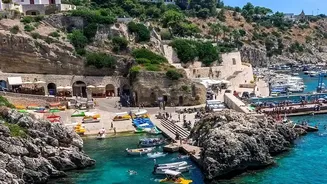
The south of Malta offers a wonderful mix of fishing villages and dramatic scenery. An 8km coastal path connects the towns of Marsaskala and Marsaxlokk, famous for its colourful traditional 'luzzu' boats. This ride is relatively flat and suitable for families, offering a glimpse into Malta's seafaring soul. For those seeking more drama, the area around the Blue Grotto and Wied iż-Żurrieq provides moderate, hilly routes with incredible coastal views. From there, you can also visit the prehistoric temple complexes of Ħaġar Qim and Mnajdra, combining a physical workout with a journey through 7,000 years of history.
Essential Tips for Your Ride
To make the most of your cycling adventure, keep a few things in mind. Spring and autumn offer the most comfortable weather, as summers can be very hot. Always wear a helmet, even though it's not legally required for adults, and carry plenty of water. When renting a bike, which costs around €15-20 per day for a standard model, choose one that suits the terrain—Gozo's coastal roads can have gradients of 15-20%. Finally, remember to ride on the left, follow the highway code, and use lights at dawn or dusk.