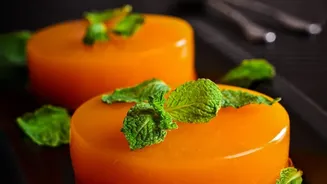




That bright, sun-kissed flavour of a perfect orange is dessert magic. But translating it from fruit to finished cake isn't always straightforward. Using fresh juice requires a little know-how to get that vibrant taste every time.
Fresh vs. Bottled: A Flavour Showdown
When a recipe calls for
orange juice, reaching for a carton is tempting, but for a truly standout dessert, fresh-squeezed is almost always the superior choice. The flavour of fresh juice is brighter, more vibrant, and has a zesty tang that pasteurised, store-bought juices lack. Bottled juices are engineered for consistency, often blending concentrates to achieve a uniform taste, which can sometimes taste flat or overly sweet. However, the appeal of fresh juice—its very lack of standardisation—is also a variable you need to manage. The sweetness and acidity can differ from one orange to the next, meaning you might need to adjust your batter on the fly. If a batter seems too thin, you may need slightly less juice to achieve the right consistency.
The Undisputed Power of Zest
If you want an intense, aromatic orange flavour, the juice alone won't get you there. The real secret is in the peel. The zest—the thin, coloured outer layer—is packed with concentrated flavour oils that hold the true essence of the orange. The white layer underneath, the pith, is bitter and should be avoided. A microplane is the ideal tool for removing fine shavings of zest without digging into the pith. For maximum impact, don't just toss the zest into the batter. A pro tip is to rub the orange zest into the granulated sugar with your fingertips before mixing. The sharp sugar crystals help break down the zest, releasing its fragrant oils and infusing the entire dessert with a powerful citrus aroma.
The Science of Acidity
Orange juice is naturally acidic, and this property has a significant impact on your baking. Acidity plays a crucial role in leavening, especially in recipes that use baking soda. Baking soda requires an acid to activate its release of carbon dioxide gas, which creates bubbles and makes your cakes and muffins rise. The acid in orange juice does this job beautifully, often resulting in a wonderfully tender crumb. However, this acidity also means you have to be mindful. It can affect gluten development and may interact with other ingredients like dairy. The lower pH also accelerates browning, so baked goods made with orange juice may develop a golden crust faster than those made with milk or water.
Enzymes and Unseen Effects
Fresh fruits contain active enzymes that can cause unexpected results in certain desserts. In citrus, pectin and the enzyme pectinase can affect texture. While more of a concern for commercial juice producers aiming for clarity and viscosity, these enzymes can subtly alter your home baking. More critically, some fresh fruits contain proteases, enzymes that break down proteins. This is why adding fresh pineapple or kiwi to gelatin desserts turns them into a runny mess—the enzymes digest the protein-based gelatin. While oranges aren't as high in these protein-busting enzymes, it’s a good reminder that fresh ingredients are chemically active. For delicate recipes like custards or curds, sometimes heating the juice first can deactivate these enzymes and ensure a stable set.
How to Get More Orange Flavour
Sometimes, you want an unmistakable orange punch that even fresh juice and zest can't deliver on their own. One effective technique is to create your own orange juice concentrate. By gently simmering fresh juice on the stove, you can reduce its volume by half or more, evaporating the water and concentrating the sugars and flavour compounds. This reduction can then be used in glazes, frostings, or batters to add intense orange notes without adding excess liquid. Combining this concentrate with fresh zest will give you the most complex, layered, and authentically orange flavour possible, elevating your dessert from simply good to truly memorable.